Why Choose Recycled Fabric for Sustainable Sourcing?
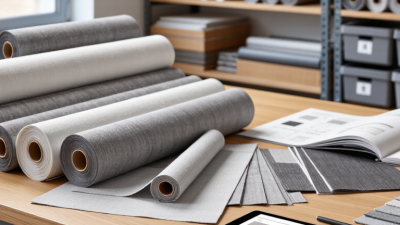
Choosing Recycled Fabric for sustainable sourcing can transform discarded bottles, fishing nets, and post-consumer garments into useful textile fibers. It can reduce dependence on virgin petroleum-based materials and give waste a second life. William McDonough, a leading circular-design expert, famously said, “Waste equals food.” His idea fits the textile industry: yesterday’s waste can become tomorrow’s jacket, lining, or sports shirt.
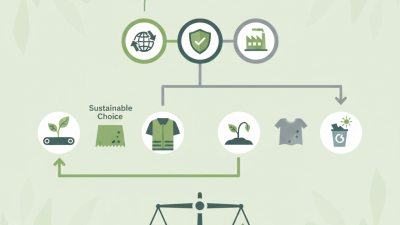
The details matter. Recycled polyester may require less energy than virgin polyester, but its benefits depend on collection systems, processing methods, and factory performance. Recycled nylon can support material recovery, yet supply remains limited and expensive. A responsible buyer should request certification, such as the Global Recycled Standard, and verify chain-of-custody records. Factory audits, fiber-content testing, and supplier documentation provide stronger evidence than attractive marketing claims.
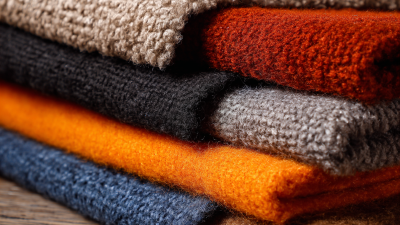
Small choices become visible. A recycled fleece may feel soft, while loose fibers collect near a washing-machine filter. That detail deserves attention. Recycled Fabric is not automatically perfect, and pretending otherwise weakens sustainable sourcing. Some materials still shed microfibers. Blended fabrics can remain difficult to recycle. Improvements are necessary.
Still, thoughtful sourcing can connect environmental goals with commercial value. Buyers can compare durability, recycled content, dyeing impacts, and end-of-life options before placing orders. The strongest strategy is practical, transparent, and measurable. It accepts progress without hiding its limitations.
What Is Recycled Fabric and How Is It Made?
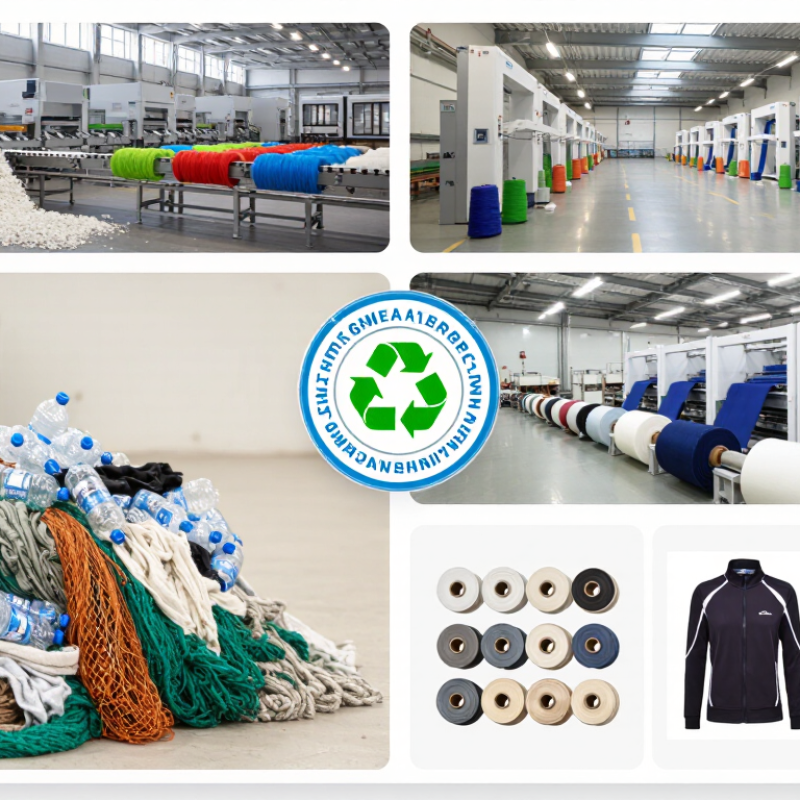
Recycled fabric is made from materials that have already been used. Common sources include discarded plastic bottles, worn clothing, and factory cutting scraps. Polyester recycling often begins with collecting and sorting plastic by type and color. Workers remove labels, caps, dirt, and unsuitable pieces. The material is then washed and shredded into small flakes.
Those flakes may be melted and pushed through fine openings. The cooled strands become chips or fibers, which can be spun into yarn. Textile waste can also be mechanically shredded into new fibers. Chemical recycling uses controlled processes to break some materials into basic components. These components can form new fibers with more consistent quality, although the method may require more energy and careful management.
In production work, small details affect the final fabric. Moisture, dye residue, and mixed fibers can change softness, strength, and color. Recycled polyester may feel smooth, but it is not automatically low-impact. Collection, washing, transport, and energy sources still matter. It can also shed tiny fibers during washing. That concern needs honest attention.
Quality checks should include fiber content, tensile strength, colorfastness, and fabric performance after washing. Clear records help buyers verify the material’s origin and processing steps. Some recycled fabrics perform very well; others show uneven texture or weaker seams. The label is not the whole story. Supplier evidence matters more.
Which Materials Can Be Recycled into Fabric?
Recycled fabric can begin with surprisingly ordinary waste.
Clear PET bottles are processed into recycled polyester yarn for shirts, linings, and fleece.
Discarded nylon products can become new polyamide yarn when sorting and purification are carefully controlled.
Cotton cutting scraps can be shredded, cleaned, and spun into new cotton yarn. The fibers become shorter, though, so recycled cotton often needs stronger fibers in the blend.
Wool garments can also be mechanically unraveled and respun. The result may show small color variations. That is part of its story.
Some materials need more advanced recycling.
Polyester, nylon, and certain cellulose fibers can be chemically broken into components, then rebuilt into consistent yarn.
This method may handle difficult blends better, but it demands careful energy, chemical, and wastewater management.
Textile-to-textile recycling remains limited for mixed fabrics, elastane blends, coatings, and heavily dyed goods.
Not every recycled claim means the same thing. Ask for the feedstock source, recycled content percentage, processing method, and independent test records.
A factory should explain durability, colorfastness, and fiber shedding.
Practical checks matter: rub the fabric, inspect seams, and wash a sample before ordering.
A recycled option can look responsible on paper yet perform poorly in use. That gap deserves attention.
How Does Recycled Fabric Support Sustainable Sourcing?
Recycled fabric supports sustainable sourcing by turning existing materials into useful textiles. In practical sourcing reviews, the strongest results begin with clear material origins. Post-consumer polyester can come from collected plastic bottles. Recycled nylon may come from discarded fishing nets or production waste. Recycled cotton can reuse cutting scraps. This sounds simple.
Yet material choice alone does not prove responsible sourcing. A supplier should provide traceable records, processing details, and reliable fiber-content testing. Documents matter. They should identify where waste was collected, sorted, spun, and woven. Independent testing can check recycled content and product safety. This prevents assumptions. Certifications may help, but they should support evidence rather than replace it.
Sustainable sourcing also examines the fabric’s complete lifecycle. Recycled fibers may lower demand for virgin resources, but processing still uses energy and water. Dyeing, finishing, and transport can change the overall footprint. That detail is often missed. Buyers should compare production locations, energy sources, durability, and minimum order quantities. Small trial orders reveal issues before large commitments. I have seen recycled fabrics shed fibers or feel weaker than expected. Design changes, tighter construction, or better finishing may solve these problems. Even so, recycled fabric is not a perfect solution. It supports better sourcing when suppliers share evidence and buyers question every stage.
Why Choose Recycled Fabric for Sustainable Sourcing?
Estimated resource savings of recycled polyester compared with virgin polyester
Recycled polyester can reduce dependence on fossil-based raw materials and divert post-consumer plastic from waste streams. Compared with virgin polyester, commonly reported lifecycle estimates indicate approximately 59% lower energy demand, 32% lower greenhouse-gas emissions, and 20% lower water use. Actual results vary according to the feedstock, recycling technology, energy mix, and manufacturing process.
Reference: Textile Exchange, Preferred Fiber & Materials guidance and publicly reported lifecycle assessment benchmarks.
What Are the Benefits and Limitations of Recycled Fabric?
Recycled fabric can turn discarded materials into usable yarn, reducing demand for virgin resources. In sourcing reviews, recycled polyester often comes from cleaned, shredded bottles. The result can feel smooth, strong, and suitable for everyday garments. That matters. Recycled nylon can also support durable swimwear and outerwear when performance is essential. However, the environmental benefit depends on the input material, processing method, and energy source. Recycling is not automatically low impact.
Quality is another practical advantage. Some recycled fibers perform nearly like virgin fibers, while others show shorter staple lengths or uneven dye absorption. These differences may create pilling, shade variation, or weaker seams after repeated washing. Small tests help. Ask suppliers for fiber content, test reports, chain-of-custody records, and clear recycling claims. Independent certification can improve confidence, but paperwork cannot replace physical inspection. Samples should be washed, dried, stretched, and compared under realistic use.
Recycled fabric also has limits that sourcing teams should discuss openly. Blended fabrics are difficult to recycle again, particularly when fibers and coatings cannot be separated. Some recycled synthetics may release microfibers during laundering. Filtration and careful wash guidance can reduce, but not eliminate, this concern. Supply may fluctuate when collection systems are weak or demand suddenly rises. Cost can be higher too. A recycled label may look persuasive while hiding complicated trade-offs. I would not treat recycled content as a perfect answer. It is a useful tool, but durability, repair, and end-of-life planning still matter.
How Can Businesses Choose and Verify Recycled Fabrics?
Choosing recycled fabric requires more than reading a sustainability claim. Businesses should identify the material source, recycled content, and production method. Recycled polyester may come from used bottles or factory waste. Recycled nylon can come from discarded fishing nets or pre-consumer scraps. These sources have different environmental and quality considerations.
Start with a clear material specification. State the required recycled percentage, fiber type, fabric weight, color, and finishing process. Ask suppliers for valid certificates and transaction records. These documents should connect the recycled material to the finished fabric. A recognized third-party standard can support the claim, but paperwork alone is not enough. Check the certificate scope, issue date, facility name, and certified product category.
Then test the actual fabric. Request a production swatch, not only a digital image. Check shrinkage after washing, colorfastness, pilling, abrasion resistance, and seam strength. Compare results with your product requirements. During a factory visit or remote audit, review purchase invoices, inventory records, production batches, and material labels. Inconsistent records deserve questions. Traceability can be imperfect.
Laboratory testing may help confirm fiber composition, but it cannot always prove the entire recycled supply chain. Keep that limitation visible. Ask whether the content is pre-consumer, post-consumer, or blended. Also review chemical management, wastewater controls, energy data, and packaging choices. Recycled content does not automatically mean a lower total impact. Better decisions often come from combining verified evidence with practical performance tests.