Why Choose Recycled Canvas Fabric for Sustainable Fashion?
In recent years, sustainable fashion has gained significant attention. One of the materials leading this movement is recycled canvas fabric. This innovative fabric offers a practical solution to environmental challenges. By repurposing waste materials, it reduces the need for new resources.
Recycled canvas fabric is not just eco-friendly; it also boasts durability and versatility. Designers appreciate its robust nature, making it suitable for various applications, from clothing to accessories. This fabric retains its aesthetic appeal while contributing to a circular economy. However, it is essential to question the production processes involved. Are they genuinely sustainable, or are they merely greenwashing?
As consumers, we have the power to influence the market. Choosing recycled canvas fabric not only supports sustainable practices but also encourages responsible brands. Yet, we must remain vigilant. Not all recycled materials are equal, and understanding the source of these fabrics is crucial. Embracing recycled canvas fabric can lead us toward a more sustainable future if approached thoughtfully.

The Environmental Impact of Traditional Fabrics in Fashion
The fashion industry has long been a significant contributor to environmental degradation. Reports indicate that the production of traditional fabrics, such as cotton, uses extensive water resources—approximately 2,700 liters of water for a single cotton t-shirt. This staggering figure highlights the unsustainable nature of conventional fabric production.
Moreover, synthetic fabrics like polyester, derived from petroleum, contribute to microplastic pollution. Research shows that a single wash can release over 700,000 microplastic fibers into waterways. These tiny particles pose threats to marine life and can enter the food chain, affecting ecosystems and human health. The environmental footprint of these materials is substantial, raising questions about sustainable practices in fashion.
Transitioning to recycled canvas fabric offers a promising alternative. It reduces the demand for virgin materials and lessens landfill waste. However, concerns remain about the energy and resources required for recycling processes. Despite these challenges, using recycled fabrics can significantly lower water usage and energy consumption. By embracing recycled canvas, we align with a more sustainable fashion approach while still recognizing the complexities involved in the shift.
Understanding the Production Process of Recycled Canvas Fabric
The production process of recycled canvas fabric begins with collecting post-consumer waste, such as discarded textiles. These materials are sorted carefully, ensuring only pure cotton or canvas scraps are chosen. The next step involves shredding these fabrics into small pieces, facilitating their transformation. This process decreases the reliance on virgin materials, significantly reducing environmental impact.
Once the fabrics are shredded, they undergo a thorough cleansing. This washes away dirt and contaminants. After cleaning, the fibers are spun into new yarns. This step requires careful oversight to maintain quality. Some imperfections may arise during this phase. These could affect the final appearance of the fabric. However, such variations can add character to the final product, advocating for a more authentic piece of clothing.
Finally, the newly produced recycled canvas fabric is woven, dyed, and finished. Each step aims to enhance sustainability while preserving the quality. The process highlights a commitment to reducing waste. It also opens up discussions on the need for better recycling methods. Thoughtful design choices, coupled with consumer awareness, can drive the demand for recycled materials. This journey showcases the potential of sustainable fashion while acknowledging the room for improvement in recycling practices.
Benefits of Using Recycled Canvas for Eco-Friendly Fashion
Recycled canvas fabric is gaining traction in sustainable fashion. It offers numerous benefits that appeal to eco-conscious consumers. This material is not only durable but also reduces waste by repurposing old fabrics. Choosing recycled canvas helps decrease the demand for new resources. It fosters a circular economy, which is essential for a sustainable future.
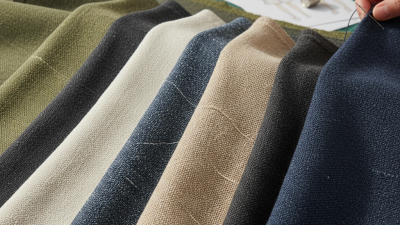
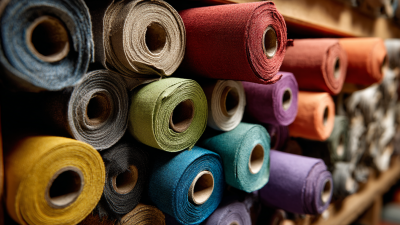
One key advantage is its versatility. Recycled canvas can be used for bags, clothing, and accessories. This fabric holds up well over time, resisting wear and tear. Many fashion designers are embracing recycled materials to create stylish, eco-friendly pieces. The vibrant colors and unique textures are also appealing. Designers can create eye-catching items while adhering to sustainable practices.
Tips for incorporating recycled canvas into your wardrobe include opting for pieces that highlight the fabric's qualities. Look for items with detailed craftsmanship. Seek brands that share their sourcing practices transparently. Educating yourself will empower your fashion choices. Remember, while recycled canvas is beneficial, not all brands prioritize sustainability equally. Consider the entire lifecycle of the product before purchasing.
Why Choose Recycled Canvas Fabric for Sustainable Fashion?
| Benefit |
Description |
Environmental Impact |
| Sustainability |
Recycled canvas fabric reduces the need for virgin materials, conserving natural resources. |
Reduction in landfill waste and lower carbon footprint. |
| Durability |
Recycled canvas is often just as strong and durable as traditional canvas. |
Longer lifespan of products, leading to less waste over time. |
| Versatility |
Can be used for a variety of fashion items, from bags to clothing. |
Encourages diverse sustainable fashion choices. |
| Style |
Available in various colors and designs, appealing to fashion trends. |
Promotes eco-friendly fashion without sacrificing style. |
| Support for Circular Economy |
Encourages recycling and upcycling practices in the fashion industry. |
Helps transition to a more sustainable economic model. |
Comparative Analysis: Recycled Canvas vs. New Materials in Fashion
Recycled canvas fabric is gaining traction in sustainable fashion. A comparative analysis reveals significant advantages over new materials. According to the Global Fashion Agenda, the fashion industry produces 92 million tons of waste each year. By using recycled materials, we can mitigate this crisis effectively.
Recycled canvas originates from post-consumer textiles. This reduces the need for virgin resources. For instance, producing new cotton requires around 7,000 liters of water per kilogram. In contrast, recycled canvas drastically cuts down on this water usage. Analysis by the Ellen MacArthur Foundation indicates recycling reduces energy consumption by up to 30%. This points to a more efficient production cycle, benefiting both the environment and brand sustainability goals.
However, relying solely on recycled materials has its challenges. The quality can vary and sometimes falls short of expectations. Not all recycled fabrics perform as well as their new counterparts in durability tests. Brands face questions about the lifecycle and long-term sustainability of recycled options. Despite these imperfections, the shift toward recycled canvas may lead to more responsible consumption patterns, highlighting the potential for an evolving industry.
Case Studies: Brands Successfully Utilizing Recycled Canvas Fabric
Recycled canvas fabric is becoming a popular choice for sustainable fashion. Many brands are successfully utilizing this material, demonstrating the potential for environmental responsibility. For instance, one brand transformed waste textiles into chic bags, reducing landfill contributions. Another case involved an apparel company that used recycled canvas for durable clothing. These examples highlight innovation and sustainability in the fashion industry.
Tips: When choosing recycled canvas, look for certifications. This ensures that the fabric meets environmental standards. Additionally, explore brands that share their sustainability journey. Transparency can enhance trust in their methods. However, not all brands disclose their fabric sources clearly.
Some brands face challenges in sourcing high-quality recycled canvas. Inconsistencies in material can affect product durability. Reflecting on these issues is vital for improvement. The journey towards sustainable fashion is still evolving. Embracing imperfection can lead to greater innovation and stronger practices in the industry.
Preferences for Material Use in Sustainable Fashion
This chart illustrates the percentage of preferences for different materials used in sustainable fashion. Recycled canvas fabric leads with 45%, showing its popularity and alignment with eco-friendly practices.