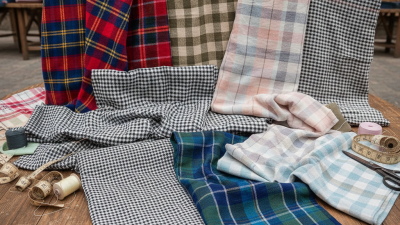
2026 Top Types of Sustainable Fashion Featuring Recycled Canvas Fabric?
Sustainable fashion is gaining momentum, with innovative materials like Recycled Canvas Fabric leading the way. Industry expert Dr. Laura Green states, "Recycled Canvas Fabric not only reduces waste but also inspires creativity." This transformative material repurposes used textiles, forging a unique path in eco-friendly fashion.
As brands increasingly focus on sustainability, Recycled Canvas Fabric stands out for its versatility. Designers use it for bags, apparel, and accessories, showcasing a blend of style and responsibility. However, the journey is not without challenges. Sourcing quality recycled materials can be inconsistent and costly. This raises questions about the true sustainability of the products offered.
The rise of Recycled Canvas Fabric represents a hopeful shift in the fashion landscape. Yet, it also prompts a reflection on consumers' habits. Are we ready to embrace sustainable options in our wardrobes? As we explore the top types of sustainable fashion in 2026, let us consider the impact of our choices.

Top Characteristics of Recycled Canvas Fabric in Sustainable Fashion
Recycled canvas fabric is transforming the sustainable fashion landscape. This material is made from post-consumer waste, reducing the demand for new resources. According to the Ellen MacArthur Foundation, using recycled materials can cut carbon emissions by up to 45%. That’s significant in an industry often criticized for its environmental impact.
The characteristics of recycled canvas are noteworthy. It offers durability, resistance to wear, and versatility in design. Its production process typically consumes less water than conventional cotton, addressing a major sustainability concern. However, there are challenges too. Quality control can vary in recycled materials. This inconsistency may result in varying texture or color, which can be frustrating for designers.
Moreover, the recycling process itself can be energy-intensive. It’s essential to balance the benefits with these drawbacks. Transparent supply chains can enhance consumer trust. Brands must communicate the journey of their fabrics. Awareness is key. As consumers demand better practices, the focus on recycled canvas fabric will likely grow, driving innovation forward in sustainable fashion.
Innovative Brands Leading the 2026 Recycled Canvas Movement
The 2026 landscape of sustainable fashion is brightened by recycled canvas fabrics. Innovative brands are pioneering this movement, focusing on eco-friendly practices. Many are using materials derived from post-consumer waste, giving new life to discarded textiles. This not only reduces waste but also promotes a circular economy.
Some brands source recycled canvas locally, supporting their communities. They emphasize ethical manufacturing, ensuring fair wages and safe working conditions. Yet, challenges remain. The quality of recycled materials can vary significantly. Some consumers question the durability of these fabrics. Addressing this concern requires continuous innovation and consumer education.
The trend is shifting, though. Designers are experimenting with different textures and colors, showcasing the potential of recycled canvas. This diversity invites more people to embrace sustainable choices. However, movement toward sustainability must be inclusive. It's vital for brands to engage consumers in discussions about transparency. Recognizing imperfections in the supply chain is necessary. It encourages improvements and fosters a more responsible fashion industry.
Environmental Benefits of Using Recycled Canvas in Fashion
Recycled canvas fabric is becoming a key player in sustainable fashion. It offers significant environmental benefits by reducing waste. The process involves taking used materials, such as discarded textiles and converting them into new fabric. This not only minimizes landfill overflow but also lowers the need for virgin materials.
Using recycled canvas can significantly decrease water usage. Producing new fabric typically consumes vast amounts of water. However, recycled methods often require much less. The energy needed to create recycled canvas is also lower, which means fewer carbon emissions. This is crucial for combating climate change.
While the benefits are clear, challenges remain. The quality of recycled canvas can vary. Some consumers may find it less durable. This raises questions about how to improve processes and maintain high standards. As the fashion industry shifts towards sustainability, there is still much work to be done. Collaborations and innovations are needed to ensure that recycled canvas can achieve its full potential.
Design Trends: Creative Uses of Recycled Canvas in Clothing and Accessories
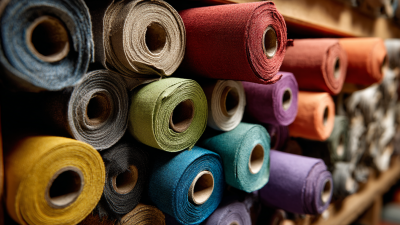
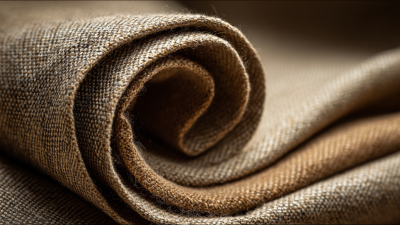
Recycled canvas fabric is making waves in sustainable fashion. Designers are increasingly embracing this eco-friendly material. It transforms waste into stylish clothing and accessories. The texture of recycled canvas adds a unique touch to garments. This material, once thought of as industrial, now makes its way into casual and chic designs.
One significant trend is the use of bold colors and patterns. Bright hues enhance the visual appeal of accessories like bags and shoes. These pieces often feature creative stitching and patchwork designs, which highlight their recycled origins. The aesthetics invite conversation, allowing consumers to reflect on sustainable practices. However, some question the durability of these products over time. Will they withstand daily wear?
Footwear is another area seeing innovation. Recycled canvas sneakers maintain comfort while promoting sustainability. Many designs include upcycled rubber soles. This combination enhances both style and function. While the trend is promising, pricing challenges remain. Some consumers may find sustainable options less accessible. Raising awareness about this issue is crucial for further progress.
Consumer Awareness: The Rise of Sustainability in Fashion Choices
As consumer awareness of environmental impact grows, the fashion industry faces pressure to adapt. Sustainable fashion has emerged as a vital response. More shoppers now prioritize eco-friendly choices. This shift is evident in the increased demand for recycled materials. Many brands are turning to recycled canvas fabric. It minimizes waste and conserves resources. This fabric is made from post-consumer materials, offering a fresh life to discarded products.
The rise of sustainability is not without challenges. Many consumers still struggle to choose truly sustainable options. Greenwashing complicates matters, leading to confusion. Shoppers may find it hard to identify authentic eco-friendly practices. The need for education is crucial. Transparency in sourcing and production processes can help. Brands must communicate their sustainability efforts more effectively. Consumers deserve clarity to make informed choices. Understanding impacts on the environment fosters responsible decision-making.
Advocacy for sustainable fashion can ignite change. This challenge demands collaboration across the industry. Designers, producers, and consumers must come together. By sharing knowledge and supporting sustainable initiatives, it is possible to transform fashion. Creation should honor both creativity and the planet. The journey towards sustainability is ongoing. Progress requires patience and reflection.