What Are the Best Recycled Fabric Suppliers in China?
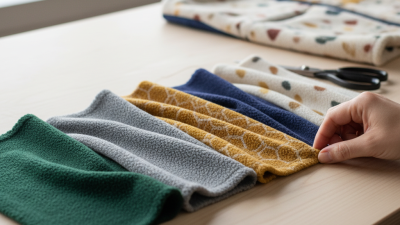
Choosing a Chinese Recycled Fabric supplier involves more than comparing prices or browsing attractive swatches. Buyers need to understand the material’s origin, processing, and performance before placing an order. A soft, heather-grey sample may look consistent, yet production rolls can differ in shade or hand feel. Details matter.
Sustainability advocate Annie Leonard has said, “There is no such thing as ‘away.’ When we throw anything away it must go somewhere.” That reminder makes recycled content worth examining carefully. Ask suppliers what feedstock they use, how recycled content is documented, and whether they can provide relevant test reports. Check color consistency, fabric weight, minimum order quantities, lead times, and sample availability. These practical questions help distinguish a reliable partner from a polished product page.
This guide compares suppliers through those buyer-focused criteria, while recognizing that capabilities vary by fabric type and production scale. Some mills may offer strong documentation but limited customization; others may respond quickly yet provide less detail about sourcing. No supplier is perfect. Batch variation can still happen, and claims deserve verification rather than assumption. Use the profiles as a starting point, then request current specifications and physical samples. The best choice is the supplier whose evidence, communication, and fabric performance fit your actual product—not simply the one with the lowest quote.
What Recycled Fabrics Are and How They Are Made
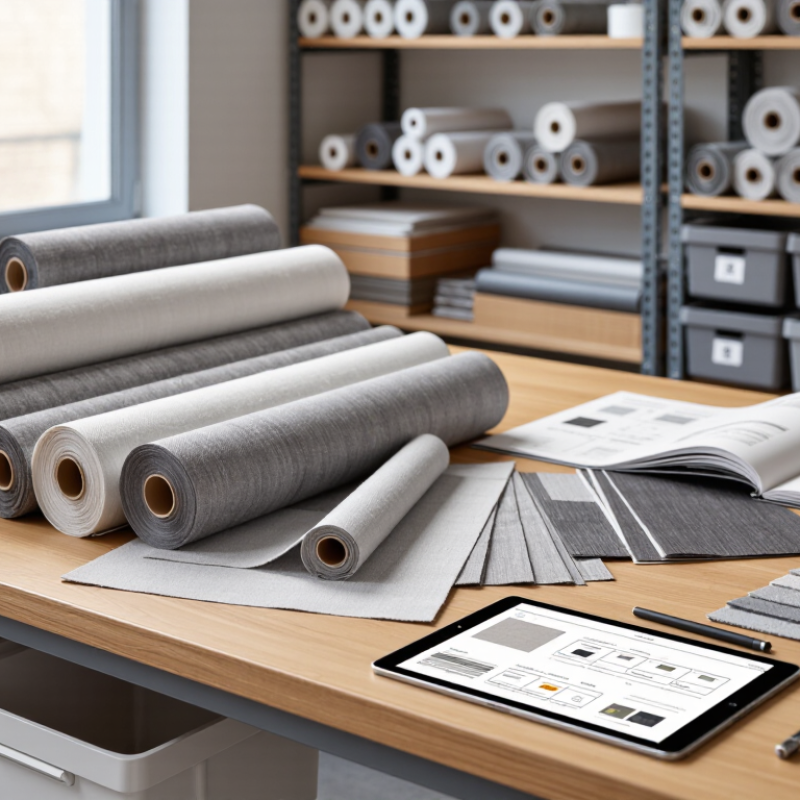
Recycled fabrics use recovered materials instead of relying entirely on newly extracted or produced resources. Common inputs include discarded PET bottles, factory offcuts, and, less often, used textiles. The material is sorted, cleaned, and processed into fiber. For recycled polyester, bottles are often shredded into flakes, melted, and spun into yarn. Mechanical recycling is widely used, while chemical methods can break polymers down for further processing. Each route has different costs and quality limits.
Textile Exchange’s Materials Market Report 2024 estimated global fiber production at 124 million tonnes in 2023. Recycled fibers represented about 7.7% of that total, and recycled polyester made up about 12.5% of polyester production. These figures show progress, but recycled fabric is not automatically made from old clothing. Bottle-derived polyester remains common. That distinction matters. Fibers can also shorten or weaken during processing, so fabric weight, hand feel, and durability should be checked against the intended use.
Tips: When comparing Chinese suppliers, ask for the recycled-content percentage, input material, and current batch-level documentation. Request a small sample and check its surface, stretch, and color consistency. A certificate is useful, but it does not replace clear answers about the specific fabric. Some details may still be hard to verify; that is worth acknowledging.
Types of Recycled Fabrics Available in China
China offers several recycled fabric types, though composition and performance vary between mills. Recycled polyester is widely used in fleece, lining, jersey, and woven fabrics. It is commonly made from reclaimed plastic bottles or textile waste. Ask whether the feedstock is bottle-based or textile-based, and request the recycled-content percentage. These sources can produce different yarn qualities.
Recycled nylon is available for lightweight stretch fabrics, swimwear, and outdoor clothing. Recycled cotton, made from cutting scraps or used garments, suits denim, canvas, and casual knits. Its fibers are often shorter than virgin cotton, so mills may blend it with other fibers for strength. Recycled wool also appears in coating and knit fabrics, often blended to improve consistency.
Feel the difference. Ask for a swatch, then check its weight, recovery, surface, and color under daylight. Blends can make sourcing practical, but they may complicate end-of-life recycling.
The labels can be confusing. Request test reports and traceability records, and confirm that the stated recycled content applies to the fabric itself. A small mismatch between a sample and bulk production is possible, so confirm specifications before ordering.
How to Evaluate Chinese Recycled Fabric Suppliers
When evaluating Chinese recycled fabric suppliers, ask for evidence tied to a specific production lot, not just a polished company profile. Textile Exchange’s Materials Market Report 2024 estimates that global fiber production reached 124 million tonnes in 2023, while recycled fibers represented about 7.7% of the market. That gap makes clear traceability important. Request transaction records, recycled-content documentation, and any relevant third-party certificates. Then check whether the certificate scope covers the actual factory and product you plan to buy.
Ask for a recent test report showing fiber composition, colorfastness, and shrinkage. Match its fabric name and lot number to the sample in your hand. Ask how pre-consumer and post-consumer feedstock are tracked, and how often production records are reconciled. Visit the mill when practical, or request a live video walkthrough of storage, spinning, and inspection areas. Look closely at labels on incoming bales. Small details matter. Paperwork can look polished and still fail to prove every batch. I would also order a modest trial run before committing; it may delay purchasing, but it can expose shade variation or inconsistent hand feel. Compare lead times, minimum order quantities, defect policies, and the supplier’s response when you raise a specific concern.
Key Supplier Capabilities, Certifications, and Minimum Orders
Choosing a recycled-fabric supplier in China takes more than comparing swatch colors and prices. Ask what the fabric contains, where recycled fibers enter production, and whether the mill can trace those materials through the order. Request a current certificate, then check its scope, expiry date, and covered site. Standards such as GRS or RCS may support recycled-content claims, but a certificate alone does not prove every shipment matches your specification. Ask for proof.
Check practical capabilities against your product needs. Can the supplier provide lab dips, bulk shade approval, fabric testing, and consistent weight across rolls? Ask for test reports covering relevant properties, such as colorfastness, shrinkage, or tensile strength. Paperwork can look tidy while the actual fabric lot differs. Approve a sample from the intended production route, and keep the agreed specification in writing.
Minimum order quantities vary with fiber type, color, finish, and whether yarn is already in stock. Stock fabrics may allow smaller trial orders; custom dyeing or recycled-yarn production often requires more volume. Small runs cost more. Request separate quotes for sampling, minimum production, and repeat orders, including setup charges and lead times. A low MOQ is useful, but only if quality checks and delivery commitments remain clear.
What Are the Best Recycled Fabric Suppliers in China?
Compare typical minimum order quantity (MOQ) ranges by recycled fabric type when evaluating supplier capabilities.
MOQ ranges are indicative market-planning estimates, not verified offers from specific suppliers. Actual order minimums vary with fabric construction, color, customization, and stock availability. When assessing suppliers, request current quotes and verify applicable certifications: GRS or RCS for recycled-material chain of custody, and OEKO-TEX STANDARD 100 for tested harmful-substance limits. Certification scope should be checked for the specific material and facility.
How to Verify and Source Recycled Fabrics from China
What Are the Best Recycled Fabric Suppliers in China?
How to Verify and Source Recycled Fabrics from China
Choosing a supplier takes more than comparing swatches and prices. Textile Exchange’s Materials Market Report 2024 estimates that global fiber production reached 124 million tonnes in 2023, while recycled fibers made up about 7.7% of the market. The figures show why recycled-content claims deserve careful checking. Ask suppliers to identify the feedstock, recycled percentage, fabric construction, and production site in writing. Small details matter.
Request a current certificate covering the relevant facility and product scope, such as one under the Global Recycled Standard or Recycled Claim Standard. Then check its validity with the issuing certification body. For each order, match transaction documents to the supplier, shipment, and stated material. Paperwork is only a start. A lab can test fiber composition, but it cannot prove feedstock history by itself. Keep sealed swatches and test reports for comparison.
Before a bulk order, request samples from the actual production line and compare shade, weight, stretch, and surface after washing. Specify tolerances in the purchase agreement, and ask how the mill handles rejected lots. Textile Exchange reports that most recycled polyester still comes from plastic bottles rather than textile waste. That distinction can matter to a buyer’s sourcing goals. I would not assume a certificate guarantees identical feel across batches; it does not. A small pilot order can expose gaps before they become costly.