Top 10 Recycled Denim Fabric Suppliers for Global Buyers
Global buyers are rethinking denim, but recycled claims still require careful checking. This guide introduces the Top 10 Recycled Denim Fabric Suppliers for buyers seeking lower-impact materials, stable quality, and dependable export service. Recycled denim may contain post-consumer jeans, pre-consumer cutting waste, or a measured blend with virgin cotton. Those differences matter.
Orsola de Castro, co-founder of Fashion Revolution and a circular-fashion authority, has said, “The most sustainable item is the one you already own.” Her point challenges simple marketing. Recycling is useful, but it does not remove every environmental cost. Spinning, dyeing, finishing, packaging, and shipping still consume resources. A responsible supplier should explain these stages clearly, not hide behind a green label.
This overview examines fiber composition, fabric weight, stretch recovery, color consistency, minimum order quantities, and lead times. It also considers evidence such as GRS or RCS certification, OEKO-TEX testing, factory audits, and traceability records. A buyer should request swatches before approving bulk production. Feel the surface. Check the shrinkage. Wash the sample twice. Small tests often reveal large problems.
The ranking is practical, not perfect. Supplier information changes, and certifications can expire. Some factories offer excellent recycled content but limited customization. Others provide attractive prices yet weak documentation. That tension deserves attention. Global buyers should compare verified records with actual samples, production capacity, and communication speed. The strongest Recycled Denim Fabric partner is not always the cheapest one. It is the supplier that can prove its claims, repeat its quality, and respond honestly when something goes wrong.
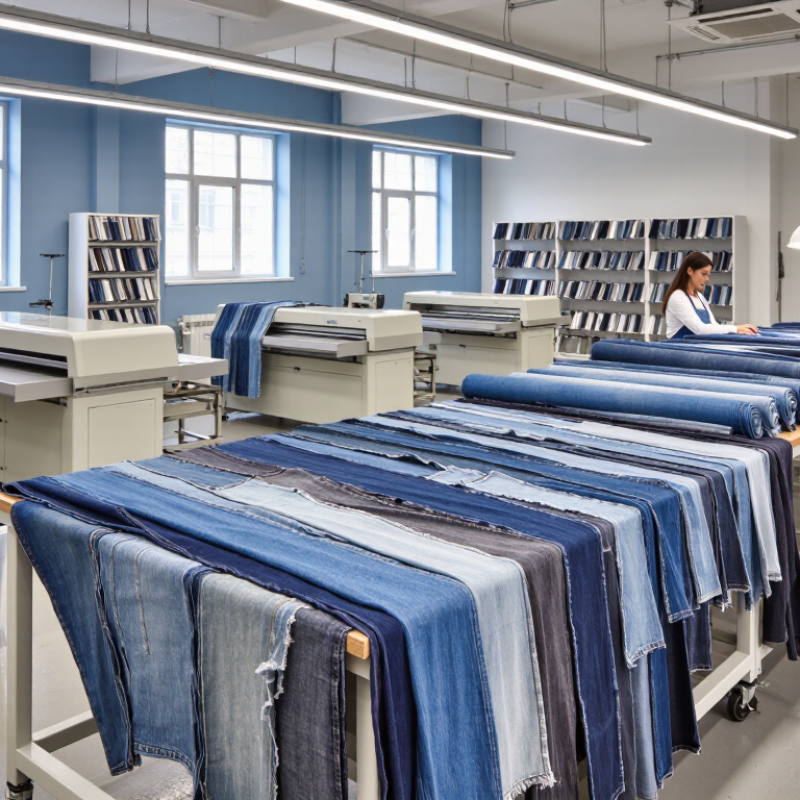
Defining Recycled Denim Fabric and Its Role in Sustainable Textiles
Recycled denim fabric is made partly from recovered cotton denim, production scraps, or used garments. These materials are sorted, cleaned, shredded, and spun into new yarns. Some mills blend recycled fibers with virgin cotton or stronger fibers. This improves durability because recycled cotton fibers are often shorter after processing. The final fabric may look and feel similar to conventional denim. It is not identical.
Its value lies in reducing pressure on fresh resources and diverting textile waste from disposal. Water, energy, and chemical use can also decrease, depending on the recycling process and factory conditions. However, recycled content alone proves little. Buyers should request fiber composition records, transaction certificates, laboratory tests, and chain-of-custody documents. Factory audits should examine sorting practices, wastewater controls, worker safety, and production consistency.
Traceability matters greatly.
During supplier evaluations, I would compare shrinkage, colorfastness, tear strength, and seam performance after washing. A fabric can have attractive sustainability claims but fail during bulk production. Blending recycled cotton with responsibly sourced fibers may offer better wear resistance, yet it can make later recycling harder. That trade-off deserves clear disclosure. Certification can support credibility, but it cannot replace technical testing or direct supplier communication. Recycled denim is promising, though its circular system remains incomplete and requires more careful design.
Key Criteria for Evaluating Global Recycled Denim Suppliers
When evaluating recycled denim fabric suppliers, global buyers should begin with the material, not the catalog. Ask whether post-consumer denim, pre-consumer cutting waste, or both create the recycled fiber. Request batch records, source regions, and mass-balance explanations. A vague answer is a warning. It may reflect weak control, or simply poor communication. Either way, investigate further.
Technical Performance
Technical performance must be measured on actual fabric samples. Check GSM, width tolerance, shade consistency, tear strength, abrasion resistance, shrinkage, and colorfastness after washing. Recycled fibers can reduce yarn strength, so blending ratios deserve careful review. Ask for laboratory reports linked to batch numbers. Independent testing adds confidence, especially when claims sound unusually polished. Small sample differences matter.
Traceability and certification should support, not replace, direct verification. Review audit scope, certificate validity, subcontracting controls, wastewater practices, and worker safety procedures. Confirm whether the supplier can scale without changing fiber sources or quality. Lead time, minimum order quantity, packaging, and communication also affect reliability. I have seen attractive samples fail during bulk production. No supplier is perfect. Buyers should record unresolved gaps, negotiate corrective actions, and reassess performance after delivery. The best partner is transparent about limitations, not merely impressive in presentations.
Top 10 Recycled Denim Fabric Suppliers for International Buyers
International buyers need more than a recycled label when choosing denim fabric suppliers. The top ten should show clear fiber origins, stable production records, and reliable export experience. Recycled cotton, post-consumer denim, and recycled polyester must be identified separately. Vague percentages create problems during audits.
A practical review should compare fabric weight, width, stretch recovery, and colorfastness. A 10-ounce denim roll may feel different after washing. Request lab dips, production samples, and test reports before placing large orders. Check whether the supplier can provide GRS or equivalent documentation. Also review minimum order quantities, lead times, packing methods, and port paperwork. Small details matter.
Communication is another strong indicator. Experienced suppliers explain shade variation instead of hiding it. They should answer questions about slubs, shrinkage, and recycled fiber strength.
I would also inspect factory photos, third-party reports, and recent customer references. No shortlist is perfect. Some suppliers offer excellent fabric but limited custom development. Others respond quickly but lack consistent batch control. That trade-off deserves careful review.
Buyers should test at least two production lots before approving regular orders. A beautiful sample can still disappoint later.
How Global Buyers Can Select and Source the Right Supplier
Selecting among the top 10 recycled denim fabric suppliers requires more than comparing prices. Global buyers should verify recycled content, fiber composition, fabric weight, and production capacity. Request a recent technical data sheet and a physical sample. A sample tells more.
In practical sourcing work, I check how each supplier manages traceability. Ask where post-consumer denim comes from and how batches are recorded. Review recognized certifications, audit reports, colorfastness results, shrinkage data, and wastewater controls. Do not rely on a logo alone. Contact the issuing organization when records seem unclear. A spreadsheet can still hide weak evidence.
Fit matters more than ranking. Match the supplier’s minimum order quantity, lead time, weaving equipment, and finishing skills with your product plan. Test the fabric after washing, abrasion, stretching, and repeated drying. Record changes in shade and hand feel. Request a pilot order before committing to large volumes.
Negotiate clear terms for inspections, rejected rolls, packing, and shipment delays. Communication speed also matters, especially across time zones. I once underestimated response delays, and that mistake affected sampling schedules. Cost remains important, but a low quote may exclude testing or consistent quality. Buyers should compare the complete landed cost.
A short supplier scorecard can include quality, evidence, responsiveness, capacity, environmental controls, and commercial risk. Leave room for judgment. Not every useful detail fits neatly into a score.