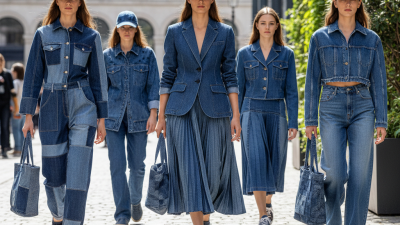
Top 10 Benefits of Using Recycled Denim Fabric for Fashion?
In recent years, the fashion industry has seen a significant shift towards sustainability. One standout material in this movement is Recycled Denim Fabric. According to Dr. Emily Foster, a prominent expert in sustainable textiles, “Recycled Denim Fabric allows us to embrace eco-friendliness without compromising style.” This innovative fabric offers numerous benefits that resonate with both eco-conscious consumers and fashion designers.
Utilizing Recycled Denim Fabric not only reduces waste but also conserves water and energy in production. Denim is known for its heavy environmental footprint. By recycling it, brands contribute to a circular economy. However, the challenge remains in ensuring quality and design appeal. Some recycled fabrics may lack the durability or aesthetic that consumers expect. Addressing these concerns is crucial for wider acceptance.
As the demand for sustainable fashion grows, the importance of Recycled Denim Fabric cannot be overstated. It represents a tangible solution to environmental dilemmas in fashion. Balancing innovation and sustainability requires continuous effort and reflection within the industry. With time, the potential for Recycled Denim Fabric to transform the landscape of fashion seems promising.

Benefits of Sustainable Fashion through Recycled Denim Fabric
Sustainable fashion is transforming the industry, and recycled denim fabric is at the forefront. This fabric has a much lower environmental impact compared to conventional denim. It reduces water usage significantly. Traditional denim production is notorious for its high water consumption. In contrast, recycling denim eliminates the need for new materials, which means less water for cultivation and processing.
Moreover, using recycled denim fosters a circular economy. Instead of ending up in landfills, old jeans can be repurposed. This approach promotes sustainability while offering unique textures and shades. Each piece made from recycled denim tells a story, reflecting both the past and future. It challenges the norms of fast fashion, encouraging consumers to think about their choices.
However, the path isn’t without flaws. Not every recycled denim product looks the same. Sometimes, the quality may vary. Brands might face challenges in sourcing consistent materials. This inconsistency can lead to doubts in consumers’ minds. Reflecting on these issues can drive improvement in the recycling processes, ensuring better quality and reliability in the future. The journey to fully sustainable fashion is ongoing, and recycled denim plays a pivotal role in it.
Reduction of Textile Waste and Its Environmental Impact
The fashion industry contributes significantly to textile waste, with over 92 million tons generated annually. Using recycled denim fabric can help mitigate this issue. Denim recycling involves breaking down old materials into fibers. These fibers can be used again, diverting waste from landfills. With recycled denim, less new cotton is needed, reducing water consumption and chemical use.
In terms of environmental impact, producing new denim requires about 7,000 liters of water per kilogram of fabric. In contrast, recycled denim reduces this figure dramatically. Industry reports indicate that recycled denim can cut water usage by up to 90%. Additionally, using recycled materials decreases the carbon footprint associated with cotton farming.
Despite these benefits, challenges remain. Not all denim can be effectively recycled. Some blends or treatments complicate the process. Increased public awareness and proper recycling techniques are crucial for maximizing denim’s lifecycle. As consumers, we need to reflect on our choices and prioritize sustainable options, reducing the overall demand for new materials.
Top 10 Benefits of Using Recycled Denim Fabric for Fashion
This chart illustrates the top 10 benefits of using recycled denim fabric, highlighting its positive impact on reducing textile waste and promoting environmental sustainability.
Energy and Water Conservation in the Production Process
Recycled denim fabric has gained attention for its sustainability. Energy conservation is a crucial benefit in this process. Traditional denim production is energy-intensive. By recycling, the energy used can be reduced by up to 90%. This conservation helps lower carbon emissions. Factories can use this savings to invest in cleaner technologies.
Water conservation also plays a significant role. Conventional denim production consumes vast amounts of water, often over 10,000 liters per pair. In contrast, recycled denim uses much less water in its process. Innovations have led to techniques that require minimal water, some as low as 200 liters. These efforts are not wholly perfected yet, and the industry continues to explore ways to minimize water use even further.
While these advancements are promising, challenges remain. Not every recycled denim initiative fully embraces these practices. The process can still involve substantial resources. Transparency in production is key. Advocates must push for continuous improvement and ethical practices within the industry. Balancing quality and sustainability is a work in progress.
Enhanced Durability and Quality of Recycled Denim Products
Recycled denim fabric is making waves in the fashion industry. One of its most notable advantages is enhanced durability. When created from post-consumer waste, recycled denim is often stronger than traditional fabrics. This is due to the unique blending of fibers during the recycling process. In practice, this results in products that withstand daily wear and tear. Think about jeans that hold up through long days. They offer comfort without sacrificing longevity.
Quality is another key benefit. Recycled denim often goes through rigorous quality checks before being sold. This ensures that consumers receive reliable products. Additionally, this textile maintains the aesthetic appeal of traditional denim. However, the process isn't flawless. Sometimes, recycled options may show slight inconsistencies in texture or color. This is part of the charm and insight into the fabric's history. It's crucial for consumers to understand that imperfections don't detract from quality. Instead, they illustrate the journey that each piece has taken. These characteristics make recycled denim an intriguing choice for eco-conscious fashion enthusiasts.
Promoting Ethical Consumerism and Eco-Friendly Brands
Recycled denim fabric stands out as a sustainable choice for fashion. Using it promotes ethical consumerism, which benefits both people and the planet. With the fashion industry as a significant contributor to pollution, the move towards recycled materials is essential. Denim recycling reduces waste and saves water, a critical resource often depleted in textile production.
Moreover, when consumers choose recycled denim, they make a statement. They support eco-friendly brands that prioritize sustainability. These brands often provide transparency about their production processes. This transparency builds trust and fosters a community of conscious consumers. Yet, not all recycled fabrics are created equal. Sometimes, the garment’s quality may suffer due to the recycling process. This is an important consideration for shoppers who want style as well as sustainability.
Engaging with recycled denim not only supports the environment but also prompts reflection. Consumers must assess their own habits and question traditional fashion cycles. Fashion is often seen as disposable. Choosing recycled options challenges this notion and encourages a more thoughtful approach to clothing consumption.
Top 10 Benefits of Using Recycled Denim Fabric for Fashion
| Benefit |
Description |
Environmental Impact |
| 1. Reduces Waste |
Utilizing old denim decreases landfill waste. |
Less waste contributes to healthier ecosystems. |
| 2. Conserves Water |
Recycled denim uses significantly less water in production. |
Reduces water scarcity issues in textile production regions. |
| 3. Lowers Carbon Footprint |
Less energy is required for recycling compared to new fabric. |
Directly reduces greenhouse gas emissions. |
| 4. Promotes Sustainable Practices |
Encourages the fashion industry to adopt eco-friendly methods. |
Supports a more sustainable economic model. |
| 5. Reduces Chemical Use |
Recycling denim often requires fewer harmful chemicals. |
Minimizes pollution of water systems. |
| 6. Supports Local Economy |
Recycled denim initiatives often involve local labor. |
Fosters community development and job creation. |
| 7. Unique Aesthetic |
Recycled denim often has a distinct look and feel. |
Encourages creativity in design. |
| 8. Cost-Effective |
Recycled materials can be cheaper to produce. |
Promotes affordability in sustainable fashion. |
| 9. Consumer Demand |
Increasingly, consumers prefer eco-friendly products. |
Drives brands towards sustainability. |
| 10. Enhances Brand Image |
Brands using recycled denim can improve their reputation. |
Boosts consumer loyalty and trust. |