Why Choose Recycled Denim Fabric for Sustainable Fashion?
The fashion industry is evolving. Sustainability has become a crucial consideration. One revolutionary material gaining traction is Recycled Denim Fabric. It brings a fresh perspective to eco-friendly fashion.
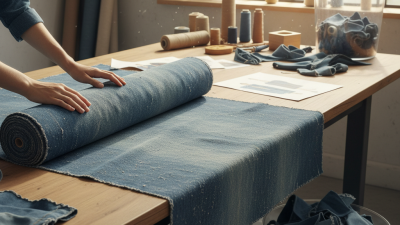
Recycled Denim Fabric is made from discarded jeans and other denim items. This process significantly reduces waste and conserves resources. Traditional denim production consumes vast amounts of water and energy. In contrast, recycling denim promotes a circular economy, where materials are reused and repurposed.
Choosing Recycled Denim Fabric may not be perfect. Some critics argue about the quality and durability compared to new denim. It’s essential to weigh these concerns. However, the environmental benefits are substantial. Innovative brands are emerging, demonstrating the potential of sustainable practices. This shift challenges consumers to reconsider their choices and embrace a greener wardrobe.
The Environmental Impact of Traditional Denim Production
The environmental impact of traditional denim production is significant. It is estimated that producing a single pair of jeans requires about 2,900 gallons of water. This staggering amount is due to both cotton cultivation and the dyeing process. The average cotton farm uses pesticides and fertilizers, which contribute to soil degradation and water pollution.
Moreover, the denim manufacturing process emits large quantities of greenhouse gases. A study found that traditional denim production can produce up to 33.4 kilograms of CO2 for a single pair of jeans. These emissions primarily arise from the energy-intensive processes used to manufacture, dye, and finish denim fabric. This contributes to climate change, creating a pressing need for sustainable alternatives.
Recycled denim fabric offers an eco-friendly solution. By reusing pre-consumer and post-consumer denim, production requires less water and energy. The Global Fashion Agenda reported that shifting to recycled materials could decrease the water usage in denim production by approximately 90%. This transformation isn't easy, and challenges remain in sourcing and processing recycled materials. Yet, embracing recycled denim is a realistic step towards reducing our ecological footprint in fashion.
The Benefits of Using Recycled Denim Fabric in Fashion
Recycled denim fabric is a vital player in sustainable fashion. It’s not just about style; it is about ethics too. The fashion industry is one of the largest polluters. Choosing recycled materials helps mitigate the environmental impact. This fabric often uses less water and energy in its production. This approach significantly reduces the overall ecological footprint.
Using recycled denim reduces the strain on raw materials. Traditional denim production often involves harmful chemicals and intensive water usage. Even recycled options can carry baggage; the quality may vary, raising questions about durability. Yet, many brands focus on improving the quality of recycled textiles, making them increasingly viable.
Sourcing recycled denim also promotes a circular economy. This concept supports reusing materials and reduces waste. Consumers are more aware now than ever. They do not just seek trendy pieces; they want to support sustainable practices. The journey to fully sustainable fashion is challenging, but every choice counts.
Key Statistics on Water and Energy Savings from Recycled Denim
Recycled denim fabric plays a pivotal role in sustainable fashion. It significantly reduces water usage during production. Traditional denim manufacturing requires about 7,500 liters of water per pair of jeans. In contrast, using recycled denim can cut this number by nearly 60%. This impressive statistic demonstrates the potential for saving our planet's precious resources. Energy consumption also sees drastic reductions. Creating new denim textiles can consume up to 60% more energy than producing recycled options.
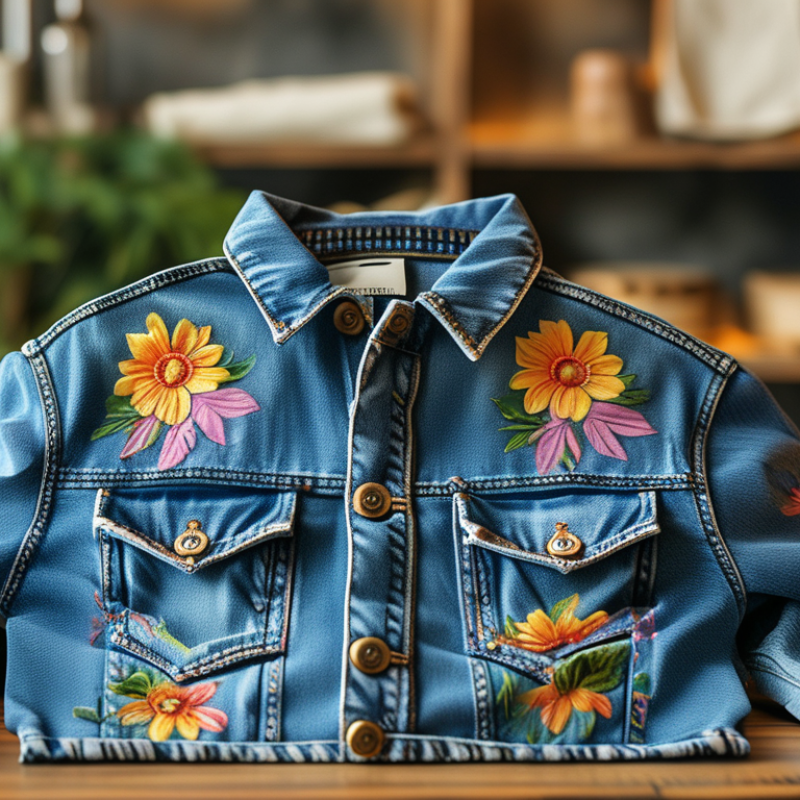
Incorporating recycled denim can lead to vibrant, unique creations while ensuring environmental responsibility. Remember that adopting recycled materials in your wardrobe doesn’t mean compromising on style. Experiment with layering recycled denim jackets or upcycled jeans for diverse looks. Each piece tells a story, showcasing both sustainability and personal flair.
Choosing recycled denim also fosters a mindset of reflection. It challenges the fast fashion mentality and encourages consumers to think about the origins of their clothing. Before making a purchase, consider the lifecycle of each item. Ask yourself if it’s worth the environmental impact. Small choices can lead to big changes in the fashion industry. Embrace this opportunity to support a more sustainable future.
Why Choose Recycled Denim Fabric for Sustainable Fashion?
| Statistic |
Water Savings (Liters) |
Energy Savings (kWh) |
CO2 Emissions Reduction (kg) |
| 1 Pair of Recycled Jeans |
7,500 |
26 |
3.5 |
| 1 Ton of Recycled Denim |
20,000 |
90 |
15 |
| 1 Recycled Denim T-shirt |
2,500 |
10 |
1.2 |
Market Trends: Consumer Demand for Sustainable Denim Solutions
The demand for sustainable denim solutions has surged in recent years. Consumers increasingly favor brands that prioritize eco-friendly materials. Recycled denim fabric stands out as a viable choice, offering both style and sustainability. By repurposing old denim, brands can reduce waste. This approach minimizes the use of new resources and conserves water, making it a smart alternative.
Market trends reveal a shift in consumer behavior. Many shoppers actively seek brands that advocate for environmental responsibility. They want to know the impact of their clothing choices. Transparency and ethical practices resonate with this audience. Moreover, denim made from recycled fibers can be both durable and fashionable. This challenge often leads to innovative designs, but not all attempts succeed.
Sustainability in the fashion industry is not without its obstacles. Some manufacturers struggle to maintain quality while reducing their environmental footprint. Finding the right balance can be difficult. Yet, the growing awareness of sustainability issues suggests that consumers are willing to support brands willing to improve. The path to sustainable fashion can be messy, yet it's worth exploring for the greater good.
Consumer Demand for Sustainable Denim Solutions
Innovative Techniques in Recycled Denim Fabric Production
Recycled denim fabric is gaining traction in sustainable fashion. The textile industry is a significant contributor to pollution, with the production of one pair of jeans consuming over 7,000 liters of water. Innovative techniques are now addressing these environmental concerns. For instance, new recycling methods can reclaim cotton fibers from discarded denim, reducing waste and resource use. According to a report by the Ellen MacArthur Foundation, recycling just 1 ton of textiles can save about 20,000 liters of water.
Recent advancements include the use of chemical processes for recycling. This method can break down denim into its core components, allowing for a higher quality of reused fiber. Research indicates that this technique can yield recycled material that retains about 90% of the original material's strength. Additionally, some manufacturers are experimenting with a closed-loop system, where waste is transformed back into new fabric. This approach not only curtails landfill waste but also minimizes the need for virgin materials.
However, challenges remain. Not all denim is easily recyclable, especially when combined with synthetic fibers or finishes. The sorting process can be labor-intensive and costly. Moreover, consumer acceptance of recycled fabrics is still evolving. The market has not fully embraced these products. As the industry strives to refine these methods, the goal is to create a more sustainable future for denim fashion.