Leave Your Message

Top 10 Types of Recycled Canvas Fabric for Global Buyers

Recycled Canvas Fabric is moving from a niche material to a serious sourcing option for global buyers. Demand is rising as brands seek durable textiles with lower dependence on virgin resources. Textile Exchange’s Materials Market Report 2024 recorded global fiber production at approximately 132 million tonnes in 2023. It also projects production could reach 160 million tonnes by 2030. The figures are significant, but they do not tell the whole story. Canvas performance depends on fiber origin, yarn construction, coating, finishing, and end use.

The category is not tidy. Recycled cotton can reduce textile waste, yet shorter fibers may affect tensile strength and surface consistency. Recycled polyester can improve durability, but most recycled polyester still comes from plastic bottles, not discarded textiles. Ellen MacArthur, founder of the Ellen MacArthur Foundation and a leading circular-economy authority, stated, “Waste and pollution are not accidents, but the consequences of the way we design things.” That principle matters when comparing canvas options. A fabric may look responsible while using energy-intensive coatings or difficult-to-separate blends.

This guide examines ten practical types of Recycled Canvas Fabric for international buyers. It considers weight, weave, recycled content, abrasion resistance, color behavior, certification needs, and likely applications. Textile Exchange, the Global Recycled Standard, and lifecycle research provide useful reference points. However, certification alone does not guarantee superior environmental performance. Buyers should request test reports, fiber percentages, traceability records, and coating details. Some choices will remain imperfect. That is the honest part. The best material is rarely the greenest on paper; it is the one that performs longer, meets verified requirements, and supports responsible end-of-life planning.
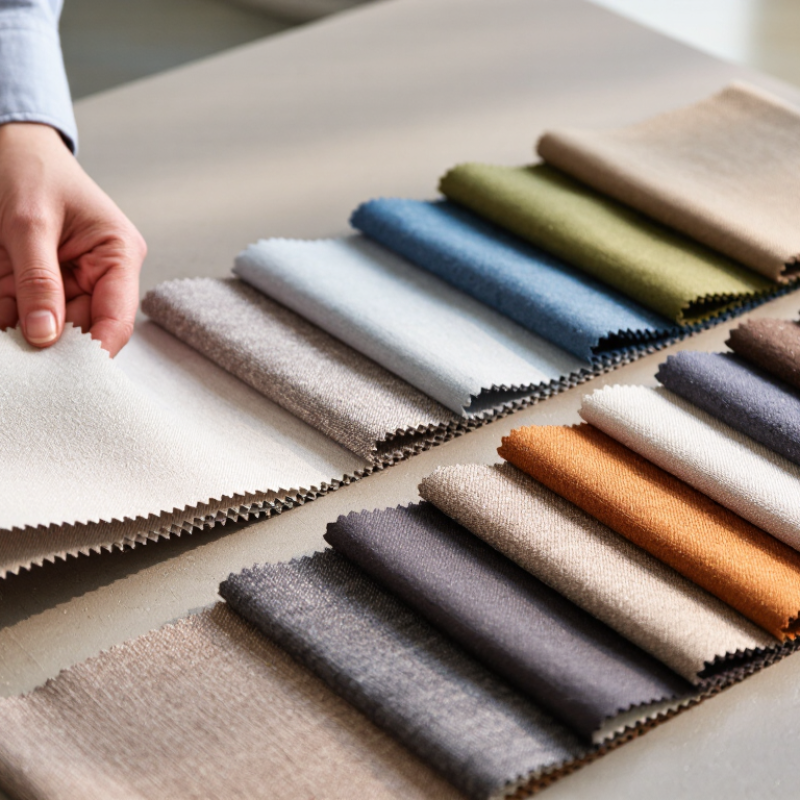
Top 10 Types of Recycled Canvas Fabric for Global Buyers

Definition and Key Features of Recycled Canvas Fabric

Recycled canvas fabric is a sturdy, plain-woven textile made partly or fully from recovered fibers. These fibers may come from used garments, factory scraps, or recycled plastic bottles. The recovery route matters. It affects strength, texture, color, and environmental claims.

Canvas usually has a firm hand, visible grain, and strong abrasion resistance. Common specifications include fabric weight, width, yarn composition, tear strength, shrinkage, and colorfastness.

A practical buyer should request a technical sheet and a physical swatch. Rub the swatch against a rough surface. Inspect loose yarns, uneven dye, and coating cracks.

Heavy fabric is not always better. A dense 300 gsm canvas may suit bags, while lighter canvas works for covers or apparel panels.

Recycled content can reduce demand for virgin resources, but it does not make every fabric automatically sustainable. Blended fibers may be difficult to recycle again. Chemical finishes can also change the material’s end-of-life options.

Ask for transaction records, recycled-content verification, and test reports from competent laboratories. Certifications help, but paperwork should match the actual lot. Some variation is normal. That is the part buyers often underestimate. Confirm batch consistency before mass production, especially when the fabric will be sewn beside other panels.

How Recycled Canvas Is Made from Post-Consumer Materials

Recycled canvas begins with post-consumer materials, not factory scraps. Old shopping bags, workwear, tents, and household textiles enter collection streams. Workers or optical systems sort them by fiber type, color, and contamination level. Zippers, coatings, buttons, and labels must be removed. Some materials simply fail. Mixed fibers, hidden stains, or strong finishes can reduce their value. Those loads may be downcycled or rejected.

Sorted fabric is cut into pieces, then shredded into loose fibers. Dust and foreign particles are removed through screening and air separation. Water-based cleaning may follow when oils or dirt remain. The cleaned fibers are opened and blended for more consistent strength and color. Recycled fibers are often shorter than virgin fibers. A carefully selected stronger fiber can improve spinning performance. The blend becomes yarn through carding, drawing, and spinning. Tight control matters here.

These yarns are woven into plain, twill, or heavier canvas constructions. Finishing may add softness, water resistance, or dimensional stability. However, each treatment can change environmental performance. Global buyers should request fiber composition, recycled-content evidence, GSM, tear strength, seam slippage, and colorfastness results. Batch-level traceability is stronger than broad sustainability claims. In production reviews, shade variation can affect panels, bags, and large cut parts. Buyers should approve a physical sample before volume orders. Recycled canvas is valuable, but it is not flawless.

Top 10 Types of Recycled Canvas Fabric for Global Buyers

Top 10 Types of Recycled Canvas Fabric for Global Buyers

The recycled canvas market is broad, but the category is not tidy. Textile Exchange’s Materials Market Report 2024 estimates global fiber production reached 124 million tonnes in 2023. It may rise to 160 million tonnes by 2030. For buyers, material selection needs more than a recycled claim.

The ten practical types include recycled cotton canvas, recycled polyester canvas, cotton-polyester canvas, post-consumer canvas, post-industrial canvas, recycled hemp canvas, recycled cotton duck canvas, recycled twill canvas, waxed recycled canvas, and laminated recycled canvas.

Recycled cotton feels familiar and breathable, but its fibers are often shorter. Recycled polyester offers strong abrasion resistance and faster drying. Hemp blends can feel firmer, sometimes unevenly. That texture may matter for bags, covers, and work aprons.

Check the fabric beside a window. Loose fibers, shade variation, and coating marks become visible there. Ask for recycled content percentages, yarn details, weight, width, tear strength, and colorfastness reports. Global Recycled Standard documentation can support chain-of-custody claims, while laboratory testing confirms actual performance. Do not rely on a certificate alone. Supplier records can still be incomplete.

A 12-ounce canvas may suit tote bags, while 18-ounce fabric better supports tool storage. Waxed surfaces improve water resistance but may reduce breathability. Laminated versions protect contents, yet they complicate later recycling. This trade-off is easy to overlook.

Buyers should test shrinkage after washing and inspect seam behavior before placing large orders. Recycled canvas is promising, but consistency remains a work in progress.

Comparing Durability, Weight, Texture, and Sustainability

Recycled canvas is not one uniform material. Global buyers commonly compare recycled cotton canvas, post-consumer cotton canvas, pre-consumer cotton canvas, recycled polyester canvas, cotton-polyester blends, recycled nylon canvas, recycled PET canvas, recycled jute blends, undyed recycled canvas, and coated recycled canvas. Cotton options usually feel softer and more natural, while polyester and nylon versions resist moisture and abrasion better.

Weight often ranges from 180 to 600 grams per square meter, depending on yarn size and weave density.

Heavy canvas survives repeated handling better, but it increases shipping weight and sewing effort. A 300 GSM fabric may suit tote bags, while 500 GSM fabric fits equipment covers or rigid storage products.

Texture also matters. Short recycled cotton fibers can create a dry, slightly irregular surface. Mechanically recycled fibers may reduce strength after repeated processing.

Recycled polyester usually offers smoother yarns and stronger dimensional stability. Not always.

The Textile Exchange Materials Market Report 2024 recorded global fiber production at 124 million tonnes in 2023, with projections reaching 160 million tonnes by 2030. This scale makes recycled inputs increasingly relevant, but recycled content alone does not prove sustainability.

Buyers should request recycled-content percentages, test methods, GSM tolerance, tear strength, colorfastness, and traceability documents.

WRAP reports that extending textile life by nine months can reduce carbon, water, and waste footprints by 20–30%.

For canvas, longer service life may matter more than a higher recycled percentage. That point is easy to overlook.

How to Select the Right Recycled Canvas for Your Product

Selecting recycled canvas starts with the product, not the sustainability label. Canvas describes a woven structure, while recycled content may come from cotton, polyester, or a blend. Textile Exchange’s Materials Market Report 2024 estimates that recycled fibers represented about 7.6% of global fiber production in 2023. Recycled polyester dominated recycled synthetic fiber volumes. This matters because each fiber behaves differently under abrasion, moisture, and repeated washing.

For tote bags, work aprons, or outdoor covers, compare weight, weave density, and tear strength. A 280–340 gsm fabric can feel flexible, while 400 gsm or more offers a firmer body. Recycled cotton gives a dry, natural hand feel, but it may show more slubs and variable strength. Recycled polyester resists moisture better and dries faster. Blended canvas can balance both properties. Request test results for tensile strength, tear strength, colorfastness, shrinkage, and pilling. ISO 105-X12 is useful for rubbing colorfastness checks. Small details matter.

Check the recycled source carefully. Post-consumer content usually has stronger traceability value than factory cutting waste, but quality can vary. Ask for transaction certificates, fiber percentages, lot records, and third-party certification such as the Global Recycled Standard or Recycled Claim Standard. Do not trust a recycled claim without documents. I have seen attractive swatches fail after washing because the coating cracked or the seam pulled. That mistake is easy to repeat. Test the finished product, not only the fabric roll.