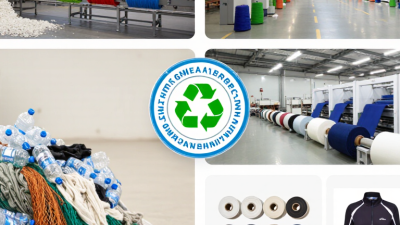
Sourcing Recycled Fabric globally sounds straightforward. It is not. Textile Exchange’s Materials Market Report 2024 recorded global fiber production at approximately 132 million tonnes in 2023. Recycled fibers remained a minority share. This gap matters. A supplier may offer recycled polyester, nylon, or cotton, yet the material’s origin, processing method, and documentation can differ sharply. Some fabrics feel soft and clean. Others arrive with uneven dye lots, limited color choices, or long lead times.
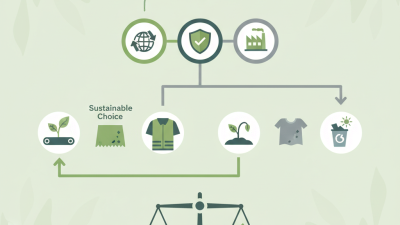
Stella McCartney, a prominent sustainable fashion expert, has said, “I don’t believe in sustainability. I believe in the journey towards sustainability.” Her words fit recycled sourcing well. No single fabric solves fashion’s environmental problems. Global Fashion Agenda and McKinsey’s Fashion CEO Agenda 2024 also stress measurable emissions reduction and stronger supply-chain transparency. Therefore, this guide focuses on practical checks, not attractive promises. Buyers should compare recycled content, certifications, energy sources, water use, and transport routes. The Global Recycled Standard and Recycled Claim Standard can support verification, but certificates do not answer every question. They may not reveal factory-level weaknesses or inconsistent batch quality.
The details become physical. Ask for a recent test report. Request a 30-centimeter fabric sample. Check pilling after washing. Confirm whether the yarn came from post-consumer waste or production scraps. Then question the price. Very low prices deserve careful review. Global sourcing also requires patience. A supplier in Turkey may provide faster European delivery, while one in Asia may offer broader capacity. Neither option is automatically better. The right choice depends on evidence, product requirements, and honest reflection. Recycled Fabric is useful, but it is not a shortcut.
7 Tips for Sourcing Recycled Fabric Globally
Define Recycled Fabric Standards and Sourcing Goals
Before contacting global mills, create a precise recycled fabric brief. Specify the fiber type, recycled content percentage, source material, fabric weight, width, color, and finish. “Recycled” alone is too vague. Decide whether you need post-consumer fibers, pre-consumer scraps, or a controlled blend of both. Set acceptable ranges for shrinkage, color variation, pilling, and strength. These details prevent attractive samples from failing during production.
Tip: Convert sustainability goals into measurable purchasing targets. State the annual volume, target price, minimum order quantity, delivery window, and acceptable defect rate. Request production samples, not only showroom swatches. Ask suppliers for traceability documents, test reports, and recycled-content verification. Paper claims are not enough. Check whether documents match the actual mill, fiber source, and production lot.
Tip: Use a small pilot order to test performance before scaling globally. Examine washing results, seam behavior, hand feel, and shade consistency. Recycled fibers can vary between batches. That matters. Record the supplier, lot number, blend ratio, test date, and inspection results. Do not promise perfect consistency. A stronger sourcing plan allows room for failed samples, revised specifications, and honest supplier discussions. Some targets may need adjustment. That is uncomfortable, but useful.
| Sourcing Tip | Recommended Standard or Goal | Key Data Dimension | Practical KPI | Required Evidence | Risk-Control Action |
|---|---|---|---|---|---|
| 1 Define the recycled-material scope | Specify whether the fabric must contain pre-consumer, post-consumer, or mixed recycled content. State the required fiber type, construction, weight, width, and color range before requesting quotations. |
|
|
|
Reject quotations that describe a fabric as “eco” or “sustainable” without stating the recycled fiber percentage and material origin. |
| 2 Match the certification to the claim | Use a recognized chain-of-custody standard. The Recycled Claim Standard (RCS) applies to products containing at least 5% recycled material. The Global Recycled Standard (GRS) applies to products containing at least 20% recycled material, while GRS product labeling generally requires at least 50% recycled content. |
|
|
|
Check certificate validity, product scope, site address, material scope, and expiry date before purchase-order approval. |
| 3 Set measurable quality and performance goals | Define performance requirements according to the intended end use rather than accepting recycled content alone as the quality standard. |
|
|
|
Use the same test method, conditioning requirements, and acceptance limits for all potential sourcing regions. |
| 4 Verify the material traceability chain | Require traceability from the recycled input to the spinner, fabric mill, dyehouse, and final shipment. For recycled polyester, distinguish mechanically recycled material from chemically recycled material where relevant. |
|
|
|
Conduct document reviews and periodic site audits, especially when multiple subcontractors are involved. |
| 5 Control chemical and environmental requirements | Add chemical restrictions and wastewater expectations to the sourcing specification. Certification of recycled content does not replace product-safety, restricted-substance, or wastewater requirements. |
|
|
|
Specify prohibited substances, test frequency, sample selection, and corrective-action deadlines in the supplier agreement. |
| 6 Compare global suppliers using landed cost | Evaluate the complete cost and supply risk rather than comparing fabric prices alone. Include transport, duties, testing, certification, minimum order quantity, and inventory requirements. |
|
|
|
Use a total-cost worksheet and separate price reductions from changes in specification, recycled content, testing, or delivery terms. |
| 7 Build a monitoring and improvement plan | Establish a recurring review covering certification status, quality, delivery, recycled-content verification, environmental performance, and corrective actions. |
|
|
|
Suspend unsupported recycled-content claims and require a documented corrective-action plan when evidence, quality, or traceability fails. |

Global recycled fabric sourcing requires more than a low quotation. My experience shows that reliable decisions begin with evidence. Tip: Compare suppliers by fiber expertise, production capacity, lead times, and export history. Tip: Match each certificate to the exact facility, material, and validity period. Ask for current records, not screenshots. A recycled claim can sound convincing. The paperwork may still be incomplete.
Tip: Request transaction records linking waste collection, processing, spinning, and fabric production. Check whether certification covers the full chain or only one stage. Tip: Review audit findings, corrective actions, and renewal dates carefully. A clean certificate is not proof of perfect operations. I once trusted a polished document too quickly. That mistake changed my process. Tip: Verify test reports for recycled content, colorfastness, shrinkage, and restricted substances.
Tip: Order laboratory dips and bulk samples from the same production route. Compare hand feel, fabric weight, shade, and pilling after washing. Tip: Ask about minimum quantities, backup mills, and communication during delays. Tip: Recheck certification records before every major order. Suppliers change. So do certificates. Keep document numbers, audit dates, sample results, and unresolved questions in one shared file.
Global recycled-fabric sourcing requires evidence, not attractive swatches. Textile Exchange’s Materials Market Report 2024 recorded 124 million tonnes of global fiber production in 2023. Recycled fibers represented only 7.6% of the total. This gap makes supplier verification essential. Request a fiber specification, production recipe, and independent laboratory test. Check polyester, nylon, or cotton content against recognized test methods, such as ISO 1833. A recycled claim alone proves little. Test the actual shipment, not only the approval sample.
Quality can change between lots. Ask for colorfastness, shrinkage, pilling, tensile strength, and washing results. Keep sealed samples from every approved batch. Traceability also needs practical detail. Review transaction certificates, supplier invoices, recycler records, and chain-of-custody documents. Map the material from collection to spinning, dyeing, and finishing. A clean certificate is not proof of a clean shipment. Missing records should trigger questions, not immediate rejection.
Production capacity deserves equal attention. Confirm machine types, monthly output, minimum order quantities, lead times, maintenance schedules, and backup facilities. Compare stated capacity with recent production records. Textile Exchange reports that recycled polyester accounted for about 12% of polyester production in 2023, showing both progress and continued dependence on conventional inputs. Request a pilot lot before placing a large order. It may delay launch. That is safer than discovering uneven yarn, weak seams, or inconsistent color after delivery. Suppliers may not have perfect documentation, and buyers rarely do either; improve the process with every order.
A low recycled fabric quote can become expensive after freight, duties, testing, and inland delivery. Compare the full landed cost, not only the price per kilogram. Ask for minimum order quantities, payment terms, packing charges, and sample fees. Then calculate the cost per finished garment.
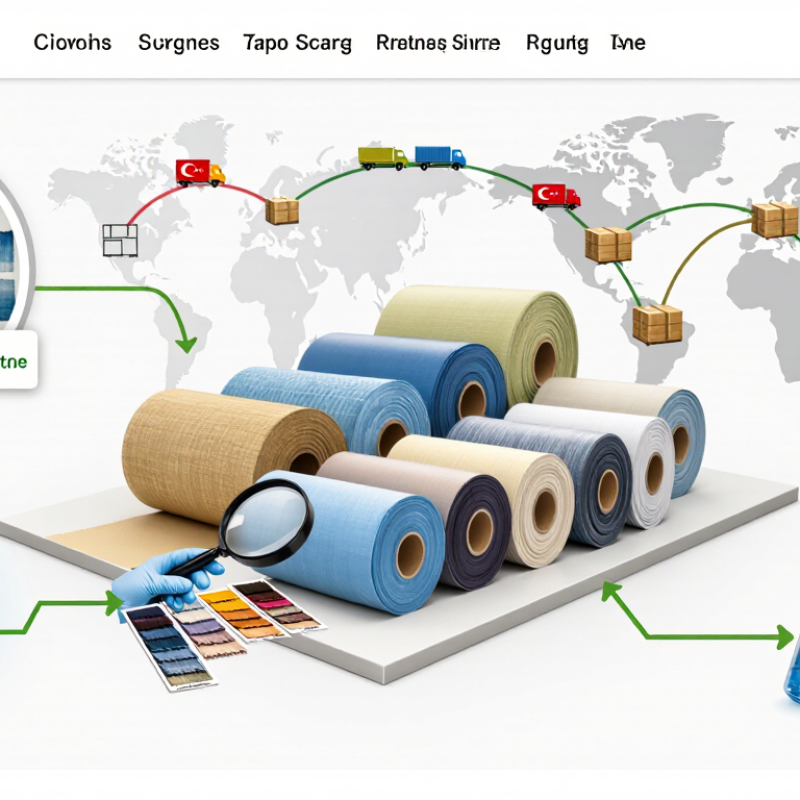
Study shipping routes before choosing a supplier. Direct ocean service may reduce handling, while a transshipment route can add delays. Compare port congestion, inland trucking, and seasonal disruptions. Air freight looks faster, but it can erase your margin quickly. Request two route options and record their estimated transit times.
Check production lead times in writing. Separate the dates for sampling, material approval, production, and dispatch. Add a realistic buffer for color adjustments or recycled fiber shortages. I once treated a quoted lead time as fixed; that assumption was too optimistic. Confirm the factory’s weekly capacity and holiday schedule.
Review trade requirements before placing an order. Confirm the correct HS code with a qualified customs professional. Prepare commercial invoices, packing lists, origin documents, and required test reports. If recycled-content claims matter, request traceable transaction records and verify the applicable destination rules. Ask whether duties depend on fiber composition or country of origin. Keep every version of the quotation. Small wording changes can affect costs. Credible suppliers should explain these details clearly, although some documents still need independent verification.
Global recycled-fabric sourcing becomes dependable when evidence replaces promises. Ask suppliers for fiber-content reports from independent laboratories. Check recycled percentages, colorfastness, shrinkage, and strength before placing large orders. Keep sealed fabric samples from every approved lot. Small details matter. A mill may pass one test and fail after finishing. I learned this the hard way when a soft jersey lost shape after repeated washing. Testing must match the final product, not only the raw yarn. Request production samples, wash them, and record results under controlled conditions. Repeat tests when the fiber blend, dye, or finishing process changes.
A clear contract turns cooperation into measurable work. Specify recycled-content tolerances, testing methods, inspection rights, delivery windows, and corrective actions. Define who pays when a shipment misses agreed specifications. Include traceability records for each lot, including batch codes and processing locations. Avoid vague language such as “high quality.” It invites different interpretations. However, perfect clauses do not guarantee perfect execution. Some smaller suppliers may lack strong documentation systems. Give them a practical template, then verify the entries instead of trusting polished paperwork.
Monitoring should continue after approval. Compare incoming rolls with retained samples, review complaints, and schedule periodic site or third-party checks. Track moisture, width, weight, and defect rates in a simple dashboard. Speak with production staff, not only sales contacts. They often notice rushed substitutions first. A quarterly review can expose gradual changes in recycled input or finishing quality. Leave room to improve. Overly strict monitoring can burden responsible partners and hide problems. Reliable partnerships need firm evidence, fair communication, and the courage to question your own buying decisions.