2026 How to Choose the Best Recycled Fleece Fabric for Your Projects?
The demand for sustainable textiles has surged in recent years, with the global recycled fabric market expected to reach $16 billion by 2027, according to market reports. Recycled Fleece Fabric has emerged as a popular choice for eco-conscious consumers. Its soft texture and lightweight properties make it ideal for a variety of projects, from outdoor apparel to cozy blankets.
However, not all recycled fleece fabrics are created equal. Quality can vary significantly among different manufacturers. It's essential to consider factors like fiber source, production methods, and environmental impact. A study from the Textile Exchange reveals that using recycled materials can reduce greenhouse gas emissions by 60% compared to virgin fibers.
Choosing the right Recycled Fleece Fabric requires careful evaluation. Look for certifications that ensure quality and environmental standards. Explore options that balance softness, durability, and eco-friendliness. As the field evolves, staying informed helps make better choices. Reflections on past purchases can guide future decisions in this rapidly changing landscape.
Understanding Recycled Fleece Fabric: An Overview of Eco-Friendly Options
Recycled fleece fabric is gaining popularity due to its eco-friendly nature. This material is made from recycled plastic bottles, reducing waste and conserving resources. According to the Textile Recycling Association, recycling one plastic bottle can save enough energy to power a 60-watt light bulb for six hours.
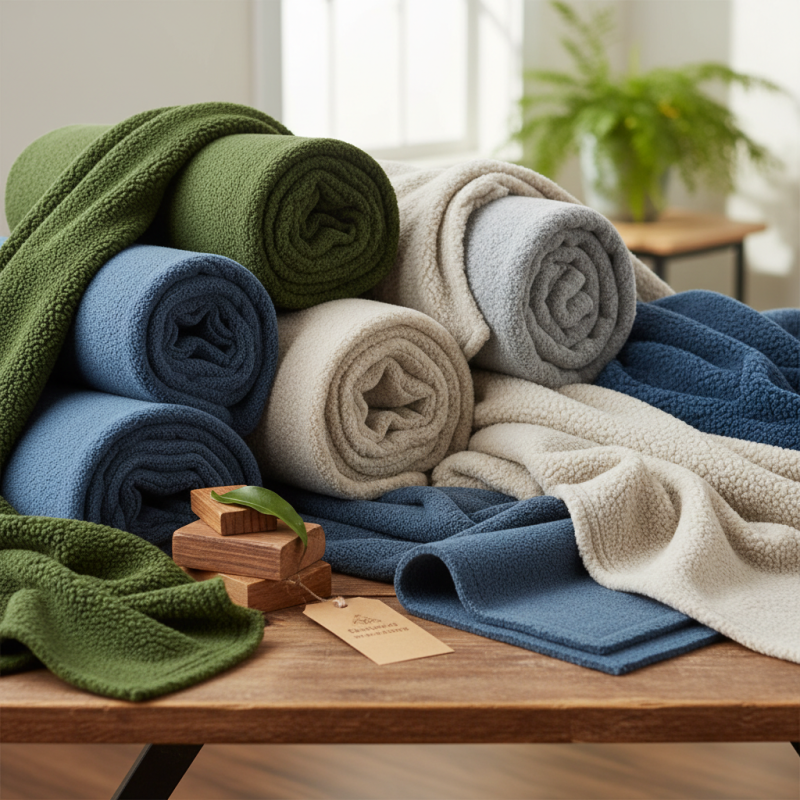
When choosing recycled fleece, consider its weight and texture. Options vary from lightweight fleece suitable for linings to heavier, more durable versions for outerwear. Different blends affect the fabric's warmth and softness. For example, a blend of recycled polyester and other synthetic fibers can enhance performance. However, variability in the quality of recycled materials can affect overall durability.
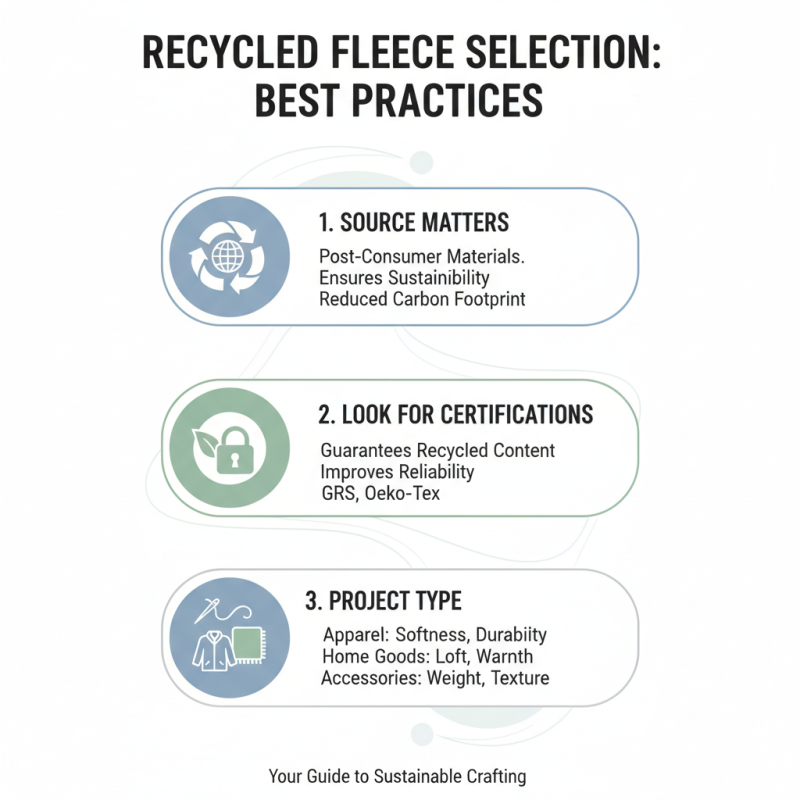
One challenge is ensuring the recycled content is significant enough. Not all fleece labeled as "recycled" contains the same percentage of post-consumer waste. Monitoring certifications can help you assess authenticity. Some fabrics may perform well but lack transparency in sourcing. Engaging with manufacturers who prioritize sustainability can guide your choices, ensuring a meaningful impact on the environment.
Recycled Fleece Fabric Comparison
This chart illustrates the environmental impact of different types of recycled fleece fabrics based on key factors such as recycled content percentage, water usage, and carbon footprint. Understanding these metrics can help you make informed choices for eco-friendly projects.
Key Benefits of Using Recycled Fleece Fabric in Sustainable Fashion
Recycled fleece fabric is transforming sustainable fashion. This innovative material offers numerous benefits, making it a favorite among eco-conscious consumers and designers alike. According to a report from the Textile Exchange, for every 1,000 tons of recycled fleece produced, approximately 90% less water is used compared to traditional fleece.
Using recycled fleece can significantly reduce landfill waste. The average fleece jacket can contain the equivalent of about 25 plastic bottles. This helps to tackle the global plastic pollution crisis. However, the quality of these fabrics varies. Not all recycled fleece is created equal. Some may not offer the durability or softness that consumers expect.
When selecting recycled fleece, consider sourcing from reputable suppliers. Look for certifications like Global Recycled Standard (GRS) to ensure the fabric meets environmental standards. Remember that while recycled fleece is a step in the right direction, not all sustainable practices are perfect. The energy used in recycling processes can still impact the environment.
Tips: Always examine the fabric’s weight and texture. Lighter fleece may be suitable for layering, whereas heavier options work well for outerwear. Check the fabric’s care instructions; some may require more energy-intensive cleaning methods than others. Assess your project’s end-use to choose the right type.
2026 How to Choose the Best Recycled Fleece Fabric for Your Projects? - Key Benefits of Using Recycled Fleece Fabric in Sustainable Fashion
| Criteria |
Details |
| Material Composition |
Typically made from recycled plastic bottles, offering a sustainable alternative to conventional fleece. |
| Warmth |
Provides excellent insulation, making it ideal for cold weather garments. |
| Moisture Wicking |
Automatically moves moisture away from the body, keeping the wearer dry and comfortable. |
| Breathability |
Allows for air circulation, reducing the chance of overheating. |
| Durability |
Resistant to wear and tear, thus enhancing the longevity of garments made from it. |
| Eco-Friendliness |
Reduction in waste and fossil fuel consumption as recycled materials are used. |
| Variety |
Available in various colors, textures, and weights for different applications. |
| Cost |
Usually competitively priced, offering a sustainable option without a significant increase in cost. |
Evaluating Fabric Performance: Key Metrics for Recycled Fleece Quality
When selecting recycled fleece fabric, focus on key metrics that indicate quality. Consider warmth retention, breathability, and durability.
Warmth retention ensures your projects keep their intended comfort. Breathability allows moisture to escape, preventing discomfort during use. Durability is essential for longevity, ensuring the fabric withstands wear and tear.
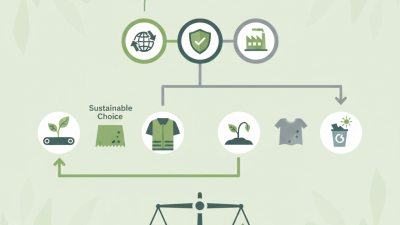
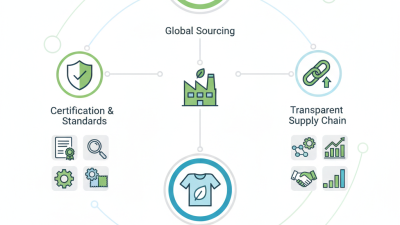
In evaluating recycled fleece, pay attention to environmental impact benefits. Sustainable choices can be misleading, so verify the sourcing and processing of materials. Look for certifications that confirm their eco-friendliness. This step enhances the credibility of your projects and your commitment to sustainability.
Tips: Always test a small fabric sample before committing to a larger purchase. This can reveal how the fabric behaves under different conditions. Also, be cautious about fabric care instructions. Some recycled fleeces may not withstand high temperatures. A little extra care can extend the life of your projects, making them both durable and eco-friendly.
Sources and Manufacturing Processes of Recycled Fleece Materials
When selecting recycled fleece fabric, understanding its sources and manufacturing processes is crucial. Recycled fleece primarily comes from post-consumer plastics, such as used bottles and discarded textiles. These materials undergo a comprehensive recycling procedure, which includes sorting, cleaning, and shredding. The transformation from waste to fabric involves melting the plastic and spinning it into fibers. This method helps minimize landfill waste and reduces reliance on new materials.
Quality can vary among recycled fleece products. Factors such as the source of the recycled material and the processes used can impact performance and durability. Some manufacturers may not fully disclose their recycling methods, raising concerns about transparency. It's essential to seek out reputable producers who share details about their recycling techniques. This information can help you choose fleece fabrics that retain warmth and softness while being environmentally friendly.
Furthermore, not all fleece is created equal. Some may have more significant environmental impacts despite being labeled "recycled." Understanding the manufacturing journey can help buyers make informed decisions. Pay attention to certifications or eco-labels as they can indicate higher standards of sustainability. Reflecting on these factors can lead to a more responsible choice in fabric selection.