Leave Your Message

2026 Best Yarn Dyed Cotton Fabric Suppliers for Buyers

Choosing a supplier for Yarn Dyed Cotton Fabric takes more than comparing swatches and quoted prices. Yarn-dyed colors are created before weaving, so buyers should examine shade consistency, pattern alignment, fabric hand, and performance across repeat orders. A checked sample may look excellent under a showroom lamp. Ask to review it in daylight, too.

The market context matters. Textile Exchange’s Materials Market Report 2024 estimates that global fiber production reached 124 million metric tons in 2023. That figure covers all fibers, not cotton alone, but it signals the scale and complexity of material sourcing. For cotton-specific market conditions, USDA Foreign Agricultural Service reports such as Cotton: World Markets and Trade provide useful production, trade, and consumption context. Use reports to frame questions, not to predict one supplier’s quality.

This 2026 guide helps buyers assess suppliers through practical evidence: fiber and yarn specifications, available color standards, minimum order quantities, lead times, testing records, and traceable sourcing documentation. Request details on shrinkage, colorfastness, and inspection procedures, then compare samples against the intended end use—whether crisp shirting, soft bedding, or durable uniforms. A supplier’s certifications can support due diligence, but they do not replace current, verifiable documents or independent testing where needed.

No shortlist is perfect. Some mills communicate quickly but offer limited flexibility; others provide custom development with longer lead times. Confirm assumptions in writing, and leave room for surprises.
2026 Best Yarn Dyed Cotton Fabric Suppliers for Buyers

What Yarn-Dyed Cotton Fabric Is and How It Is Made

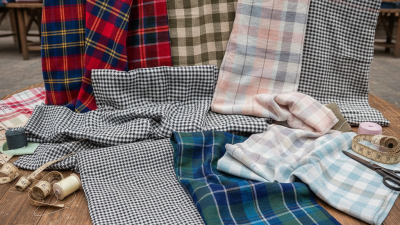
Yarn-dyed cotton fabric gets its color before weaving. The cotton is spun into yarn, then prepared and dyed in selected shades. After dyeing, operators rinse and dry it, then arrange yarns on a loom to form stripes, checks, or other patterns. Because colored yarns cross in planned sequences, patterns can appear on both sides, though the reverse may look less crisp. That matters. Unlike piece-dyed fabric, which is colored after weaving, yarn-dyed cloth needs color decisions earlier. The method takes planning.

The result depends on more than the dye recipe. Yarn thickness, twist, weave density, and finishing all affect softness, drape, and how clearly a pattern reads. Before bulk production, buyers can request a sample and inspect it under daylight and indoor light. Check for shade variation, loose ends, and shrinkage after washing. Colorfastness and dimensional-stability tests provide useful evidence, but performance varies with construction and care. A bright swatch is not a guarantee.

Tips: Confirm fiber content and fabric weight, and ask whether the sample matches the intended production lot. Wash a small cut using the care method you expect. Small differences can still appear. I would not treat them as proof of poor quality without checking tolerances, but they deserve a question.


Key Quality Standards for Yarn-Dyed Cotton Fabric

Yarn-dyed cotton should be assessed for color consistency, fabric construction, and performance after washing. Because the yarn is colored before weaving, buyers should check whether warp and weft shades match the approved sample. Inspect the fabric under consistent lighting. A shift that looks minor indoors can appear obvious beside a finished garment. Small differences happen.

Check yarn count, weave density, fabric weight, and usable width against the purchase specification. These details affect sewing, drape, and fabric yield. Ask for inspection records that identify the sampling method and acceptable defect limits. Slubs or neps may suit a rustic design, but they should be agreed upon rather than treated as surprises. That distinction matters.

Colorfastness to washing and rubbing deserves attention, especially for dark checks and stripes. Request test results using a method agreed by both parties, and match the test conditions to the product’s intended care. Dimensional stability also matters: measure samples before and after washing, then compare shrinkage with the stated tolerance. Still, a strong lab report is not the whole story. Review a production cutting, not only a small swatch. One limitation remains: no single inspection can predict every sewing or laundering condition. Clear specifications and repeat checks make quality decisions more reliable.

2026 Best Yarn Dyed Cotton Fabric Suppliers for Buyers - Key Quality Standards for Yarn-Dyed Cotton Fabric

Use these criteria to compare yarn-dyed cotton fabric suppliers and review sample, bulk-production, and inspection documentation. Acceptance limits are suggested buyer specifications, not universal legal requirements; confirm the final limits for each order.

Evaluation Dimension What Buyers Should Check Suggested Acceptance Criteria Verification Method or Reference Why It Matters
Fiber composition Confirm that the fabric is cotton or the declared cotton blend, and that the composition matches the purchase specification. Composition matches the order specification and applicable labeling requirements; agree any tolerance before production. Fiber analysis, such as ISO 1833 series; review the supplier’s test report and product specification. Supports accurate labeling, product performance, and consistency between approved samples and delivered goods.
Yarn-dyed construction Check that color is present in the yarn before weaving or knitting, and assess stripe, check, or other pattern placement. Pattern, yarn colors, repeat, and construction match the approved sample and signed specification. Visual inspection under agreed lighting; compare production swatches with the approved reference sample. Yarn-dyed fabric relies on colored yarn arrangement, so incorrect yarn selection or pattern setup can affect the entire lot.
Yarn count and construction Review the specified yarn linear density and fabric construction, including ends and picks per unit length where applicable. Results fall within the buyer-agreed specification and documented production tolerances. Yarn linear density may be tested using ISO 2060; record construction details on the fabric specification sheet. Yarn and construction influence fabric appearance, handle, strength, and weight.
Fabric mass Measure fabric mass per unit area and compare it with the ordered value. A common purchase specification is the target mass within ±5%, unless the product requires a tighter or different tolerance. ISO 3801 or another mutually agreed mass-per-unit-area method; test conditioned specimens. Unexpected weight variation can change drape, opacity, garment consumption, and perceived quality.
Usable width Measure usable width, excluding selvedges if that is how the order defines width. Meets the minimum ordered usable width; specify measurement conditions and selvedge treatment in advance. ISO 3932 or a buyer-agreed width measurement procedure. Width affects cutting efficiency, marker planning, and material yield.
Dimensional stability Assess lengthwise and widthwise change after the intended laundering procedure. A common buyer target for many apparel fabrics is no more than 3% shrinkage in either direction; tighter limits may be needed for specific products. ISO 5077 with a specified washing and drying procedure, such as ISO 6330; state the cycle and drying method. Excessive shrinkage can cause garment fit changes, skew, or mismatch between components.
Color fastness to washing Test color change and staining of adjacent fabric after washing. A frequently used buyer requirement is grade 4 or better for color change and staining; requirements vary by end use and shade. ISO 105-C06 or the test method and washing conditions specified by the buyer. Helps reduce fading and color transfer during consumer laundering.
Color fastness to rubbing Evaluate dry and wet rubbing, particularly for dark, saturated, or contrasting yarn-dyed colors. A common target is grade 4 or better dry and grade 3–4 or better wet; set limits according to color and application. ISO 105-X12; report dry and wet results separately. Rubbing can transfer color to skin, upholstery, or adjacent garments.
Color fastness to perspiration Check color change and staining under acidic and alkaline perspiration conditions where relevant. A common buyer target is grade 4 or better for color change and staining, subject to product requirements. ISO 105-E04; request separate results for the relevant test conditions. Important for garments worn close to the body, especially in warm or humid conditions.
Shade consistency Compare color across rolls, between production lots, and against the approved standard; inspect pattern alignment and visible barré. Use a signed physical standard and agreed viewing conditions. Set any instrumental color-difference limit, such as ΔE00, by shade and buyer specification. Visual assessment under agreed lighting; spectrophotometer readings can support, but should not replace, agreed visual approval. Controls visible shade variation that can cause garment-panel mismatch or inconsistent repeat orders.
Pilling and surface appearance Evaluate pilling, fuzzing, snagging, and surface uniformity for the intended end use. A common apparel target is grade 3–4 or better after the agreed test exposure; set the rating and cycle count in the order specification. ISO 12945-2 or another agreed pilling method; report the apparatus and exposure conditions. Surface deterioration affects appearance and perceived durability.
Tensile strength Test breaking force in warp and weft directions where applicable. Meet the buyer’s minimum values for the intended construction and end use; no universal minimum applies to all cotton fabrics. ISO 13934-1; report direction, specimen details, and test results. Provides information about fabric resistance to tensile loads during manufacturing and use.
Inspection and traceability Review the inspection plan, roll identification, lot records, and process for handling defects and nonconforming fabric. Agree the inspection system, defect classification, sampling plan, and acceptance level before bulk production. Review inspection reports, roll maps, batch records, and retained samples; use a mutually agreed sampling plan. Clear records make it easier to investigate defects and maintain consistency across deliveries.

Buyer note: Test results depend on specimen conditioning, laundering or exposure conditions, test edition, and laboratory procedure. Confirm the exact method, conditioning requirements, acceptance limits, and reporting format with the supplier before placing a bulk order.

Supplier Capabilities Buyers Should Compare in 2026

When comparing yarn-dyed cotton fabric suppliers in 2026, look beyond catalog colors. Ask how they control shade consistency between production lots. Request a sample with a clear record of yarn count, weave, and dye lot. Then compare it with bulk fabric under daylight and indoor lighting. Small details matter. A subtle stripe shift can change the look of a finished shirt.

Check whether the supplier can explain its sampling process, minimum order quantities, and realistic lead times. Ask for test results relevant to your product, such as colorfastness after washing and dimensional change. A neat report helps, but it should match the fabric you plan to order. Also compare production capacity and how the team handles defects or delayed shipments. No checklist catches everything; a supplier can look strong on paper and still miss a shade in bulk. I would weigh clear answers and consistent sample records more heavily than promises of speed. A practical response to a difficult question is often more useful than a perfect sales presentation.

2026 Yarn-Dyed Cotton Supplier Capability Targets

Compare suppliers against buyer-defined targets for delivery, inspection, shade consistency, and fabric performance. These are illustrative procurement targets, not supplier results or industry averages; confirm requirements and test methods in the purchase agreement.

How to Evaluate and Shortlist Potential Suppliers

When shortlisting yarn-dyed cotton fabric suppliers, compare like with like. Specify yarn count, weave, finished width, weight, color range, and intended use. Ask for a production sample, not only a showroom swatch. Check shade consistency under daylight and indoor lighting, then wash and measure shrinkage. Small checks matter.

Textile Exchange’s Materials Market Report 2024 estimates that global fibre production reached 124 million tonnes in 2023, up from 116 million tonnes in 2022. This scale does not prove that a mill can deliver your fabric reliably. Ask suppliers to document yarn sourcing, monthly capacity, lead times, minimum order quantities, and how they control shade across dye lots. Request recent test results for colorfastness, dimensional change, and fabric weight, with test methods and conditions stated. Scale is not proof.

A practical shortlist can use a simple scorecard: technical fit, repeatability, communication, and sample-to-bulk consistency. Request references for comparable constructions, while recognizing that past performance cannot guarantee the next order. Keep sealed samples from each approved lot and compare them with incoming goods. One limitation: supplier paperwork may describe ideal conditions, not a busy production week. Verify key claims with a trial order, and record what still needs checking.

What to Confirm Before Placing a Bulk Fabric Order

2026 Best Yarn Dyed Cotton Fabric Suppliers for Buyers

What to Confirm Before Placing a Bulk Fabric Order

Before approving a bulk order, confirm the fabric construction in writing. Specify yarn count, weave, finished width, weight, and cotton composition. “Cotton” alone is not enough. Ask whether measurements describe greige or finished fabric, since finishing can change width and hand feel. Compare the supplier’s specification sheet with the approved sample.

Check color carefully. Yarn-dyed fabric can look different under daylight and warehouse lighting. Request a sample cut from production fabric, not only a small lab dip, and confirm the color reference and acceptable shade variation. Ask for test results for shrinkage, colorfastness to washing, and rubbing. Set practical limits before production begins. A sample may still differ slightly from a full roll.

Confirm the minimum order quantity, production lead time, payment schedule, and packing method. Ask how rolls will be labeled and protected from moisture, then agree on inspection timing and how defects will be handled. Keep written records of approvals and tolerances. A quick pre-shipment check can catch a width issue before the fabric reaches your cutting room. It cannot remove every risk. Some details are easy to overlook, even with a checklist.