10 Tips for Sourcing Cotton Yarn Dyed Check Fabric Worldwide?
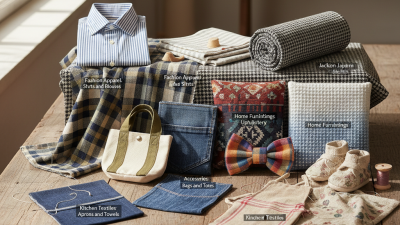
When it comes to sourcing Cotton Yarn Dyed Check Fabric, the process can be quite intricate. This fabric is not only popular for its visual appeal but also for its versatility. Designers and manufacturers across the globe seek this fabric for its ability to blend traditional patterns with modern styles.
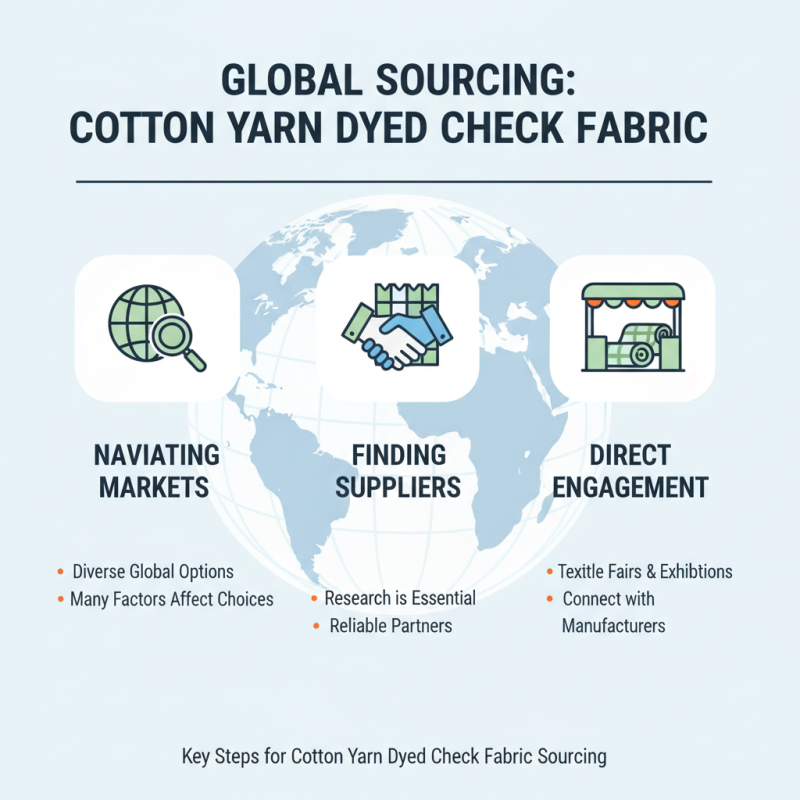
Finding reliable suppliers can be challenging. You may encounter variations in quality and pricing. Thus, understanding the sourcing landscape is essential. It helps if you have specific criteria in mind. This will guide you in evaluating potential partners. Researching potential markets can reveal hidden gems where quality fabric is abundant.
It is crucial to foster relationships with suppliers. Explore their production methods and certifications. This adds an extra layer of confidence in your choices. Remember, sourcing is not just about costs; it’s about ensuring quality. Paying attention to details can lead to long-term success in your fabric sourcing journey. Consider the environmental impacts as well. Sustainability is increasingly important in today’s market.
Understanding the Basics of Cotton Yarn Dyed Check Fabric
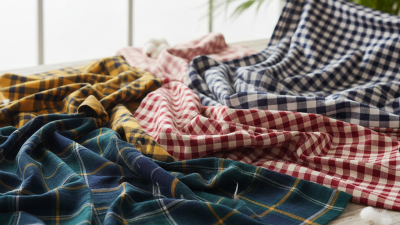
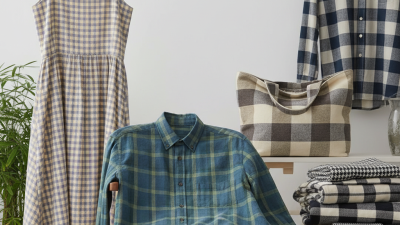
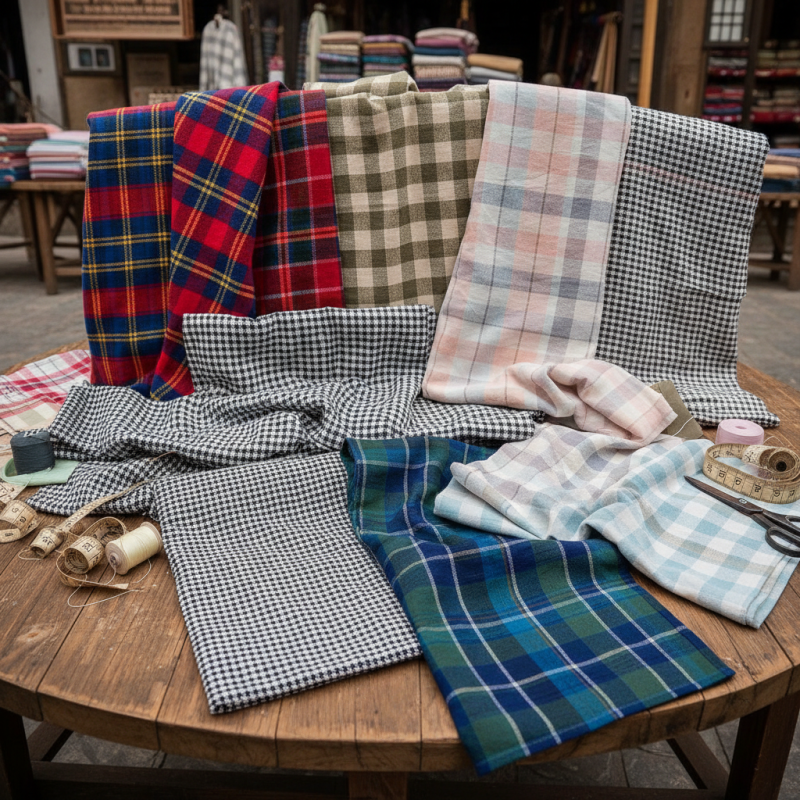
Cotton yarn dyed check fabric has gained popularity among designers and manufacturers alike. Understanding its basics plays a vital role in sourcing quality materials. This fabric, woven with dyed yarn, showcases vibrant patterns and offers durability. The process enhances colorfastness, making it ideal for various applications like apparel and home textiles.
When sourcing, consider the following tips. First, connect with reputable suppliers. Research their backgrounds and check reviews to gauge reliability. Second, think about the yarn's quality. Cotton fibers come in different grades; higher grades yield better fabric. Also, be aware of country regulations. Some regions may have unique standards for textile imports, affecting your sourcing decisions.
Examine the production methods. Sustainable practices are crucial for responsible sourcing. Look for suppliers who prioritize eco-friendly techniques. This can lead to better quality and address consumer demands. Testing fabric samples is also essential. Minor inconsistencies can arise in production, so don't overlook this step.
Finally, always communicate openly with suppliers. Good relationships can lead to better deals and improved understanding of product specifications.
Identifying Reliable Suppliers for Cotton Yarn Dyed Check Fabric
When sourcing cotton yarn dyed check fabric, identifying reliable suppliers is crucial. Start by researching potential suppliers through online marketplaces and textile exhibitions. Look for suppliers with strong customer reviews. Trustworthy suppliers often have a solid track record of quality and delivery. Verify their credentials and history. This step can prevent future disappointments.
Building a relationship with suppliers is equally important. Communication is key. Ask questions about their manufacturing processes and sourcing practices. A reliable supplier should be transparent and willing to share this information. Don’t hesitate to request samples prior to placing large orders. This can reveal the quality you can expect. However, be prepared for potential inconsistencies in quality, especially if you're trying different suppliers.
Document your interactions and orders meticulously. This helps maintain accountability. A well-structured approach allows you to measure supplier performance. If issues arise, clear documentation can facilitate prompt resolutions. Regularly reassess your suppliers to ensure they meet your needs. In the end, the goal is to establish lasting relationships built on trust and quality assurance.
Evaluating Quality Standards in Cotton Yarn Dyed Check Fabric
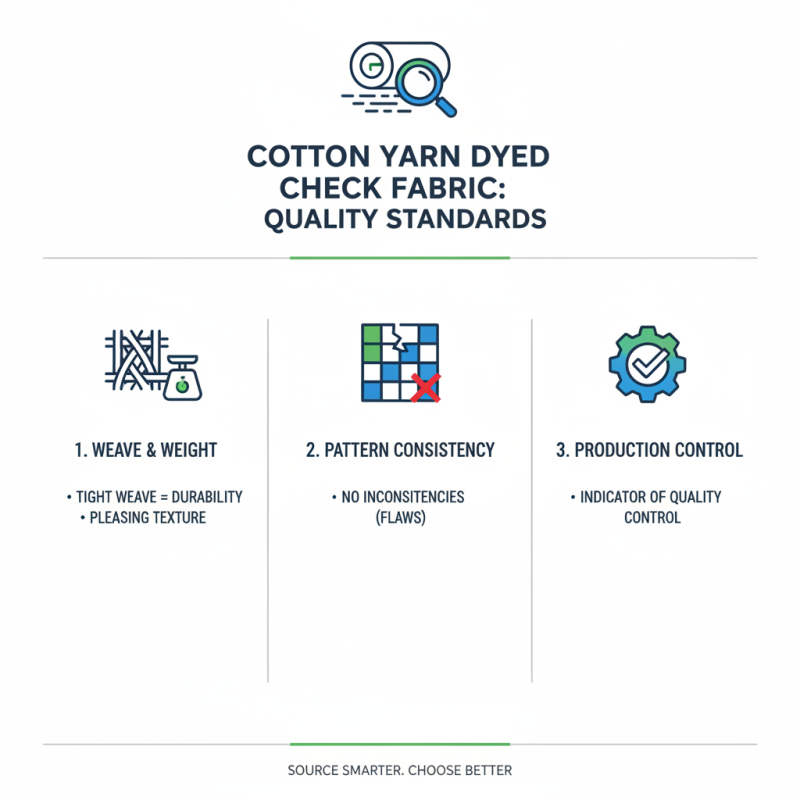
When sourcing cotton yarn dyed check fabric, evaluating quality standards is crucial. First, focus on the fabric's weave and weight. A tightly woven fabric ensures durability and a pleasing texture. Check for any inconsistencies in patterns. These flaws may indicate a lack of quality control during production.
Next, consider the dyeing process. High-quality dyed fabric maintains color fastness and resists fading. Perform a simple test by rubbing a wet white cloth against the fabric. If color transfers, this may reveal inferior dyeing methods. Pay attention to the feel of the fabric, too. It should be soft yet robust, without any pilling.
Being mindful of the supply chain adds another layer of quality assurance. Look for suppliers who practice sustainable sourcing. They often maintain higher quality standards throughout production. Request certifications or samples before making bulk orders. A fabric that looks great but falls apart after washing is not worth your investment. Always remain vigilant and informed about the materials you choose.
Navigating Trade Regulations for Importing Cotton Yarn Dyed Check Fabric
Navigating trade regulations for importing cotton yarn dyed check fabric can be complex. Each country has specific customs requirements. Understanding these regulations is crucial for a smooth sourcing process. Research the import duties and tariffs that apply to cotton fabric. This knowledge helps in calculating total costs accurately.
Documentation is another key aspect. Ensure all necessary paperwork is in order before shipment. You may need import licenses, certificates of origin, and compliance labels. Inconsistent documentation can lead to delays. It’s essential to maintain clear communication with suppliers to avoid misunderstandings.
Monitoring changes in trade regulations is vital. Laws can change frequently, impacting your sourcing strategy. Subscribe to trade newsletters or join industry groups for updates. Networking with other importers can provide insights into recent challenges or best practices. Always remain adaptable and ready to refine your approach.