Why Choose Stretch Softshell Fabric for Your Outdoor Gear?
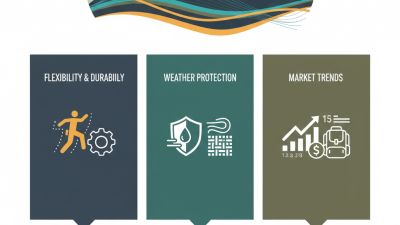
Choosing the right fabric for outdoor gear can significantly impact performance. One option gaining popularity is Stretch Softshell Fabric. This versatile material offers a unique blend of comfort, flexibility, and weather resistance. According to the Outdoor Industry Association, the demand for high-performance fabrics in outdoor gear has grown by 25% over the last five years. This growth reflects the importance of quality materials in ensuring user satisfaction.
Dr. Emily Carter, a leading expert in textile science, states, “Stretch Softshell Fabric balances breathability and durability, which is crucial for outdoor enthusiasts.” This insight highlights the fabric's optimal function in diverse weather conditions. Importantly, Stretch Softshell Fabric adapts to movement while maintaining insulation, making it suitable for various outdoor activities.
However, while the benefits are clear, not all Stretch Softshell Fabrics are created equal. Variations in quality can affect performance and durability. Outdoor gear brands must focus on sourcing reliable materials. Consumer awareness is key to making informed choices about products. The market’s evolving landscape necessitates that brands and users alike reflect on usability and quality.
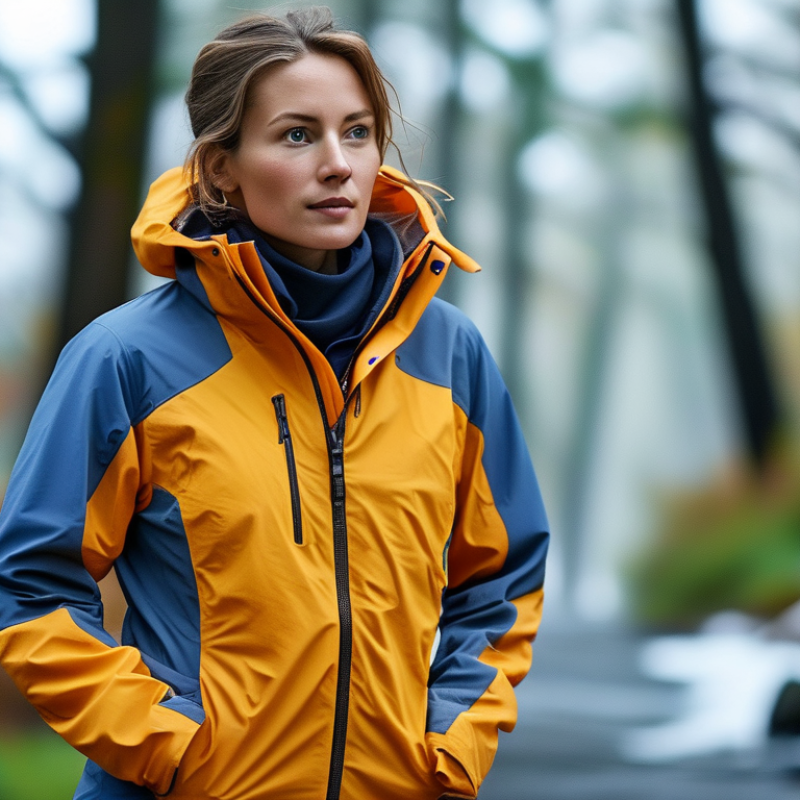
Benefits of Stretch Softshell Fabric for Outdoor Activities
Stretch softshell fabric has become a popular choice for outdoor gear due to its many advantages. This fabric is designed to be flexible, allowing for a full range of motion. Whether you’re hiking up a mountain or setting up camp, this flexibility enhances performance. Users often note how comfortable it feels against the skin, especially during long periods of outdoor activity.
Another significant benefit is its water resistance. Stretch softshell fabric repels light rain and wind effectively. This feature keeps you dry without the bulk of a traditional rain jacket. It also dries quickly if you happen to get wet. Many outdoor enthusiasts appreciate how lightweight this fabric is. You can pack it easily, making it ideal for travel. However, it’s essential to remember that while it is resistant, it’s not entirely waterproof.
Breathability is another critical aspect. This fabric allows moisture from sweat to escape, reducing that clammy feeling during exercise. Some may find the balance between insulation and ventilation tricky. It’s an area that requires practical testing to see how well it suits various weather conditions. Overall, stretch softshell fabric offers a blend of comfort, flexibility, and functionality for outdoor activities.
Benefits of Stretch Softshell Fabric for Outdoor Activities
| Feature |
Description |
Benefits |
| Breathability |
Allows moisture to escape while keeping you dry |
Keeps you comfortable during high-intensity activities |
| Stretchability |
Designed to move with your body |
Enhances mobility and range of motion |
| Wind Resistance |
Provides a barrier against wind |
Keeps you warm in windy conditions |
| Water Resistance |
Offers some level of water repellence |
Protects against light rain and snow |
| Durability |
Resistant to abrasion and wear |
Long-lasting performance in rugged conditions |
| Lightweight |
Compact and easy to pack |
Ideal for travel and outdoor adventures |
Durability and Performance: Why Stretch Softshell Excels in Tough Conditions
Stretch softshell fabric has emerged as a popular choice for outdoor gear due to its exceptional durability and performance. According to a report from the Outdoor Industry Association, nearly 70% of outdoor enthusiasts prefer materials that offer both comfort and weather resistance. Stretch softshells excel in these areas, making them ideal for activities such as hiking, climbing, and skiing.
This fabric is designed to withstand tough conditions. It is inherently water-resistant and windproof, yet remains breathable. The combination of these features allows for moisture management, essential for rigorous outdoor activities. In a study conducted by the American Society for Testing and Materials, softshells were shown to provide a 30% improvement in moisture wicking compared to traditional fabrics. This means less discomfort during prolonged use.
Importantly, stretch softshell fabrics also offer flexibility. This translates into better mobility, which is crucial when climbing or navigating rough terrains. However, not all softshells are created equal; some may sacrifice breathability for durability. This is a necessary trade-off that requires careful consideration. Choosing the right fabric involves reflecting on the specific demands of your outdoor activities, ensuring you find a balance that suits your needs.
Comfort and Flexibility: Key Features of Stretch Softshell Fabric
Stretch softshell fabric stands out in outdoor gear for its remarkable comfort and flexibility. This material adapts easily to various body movements. Whether climbing, hiking, or skiing, it allows for unrestricted motion. The blend of stretchy fibers offers a snug, yet comfortable fit. This can mean the difference between a fun adventure and a frustrating one.
When venturing outdoors, weather conditions can change swiftly. Stretch softshell fabric provides a balance between breathability and water resistance. It keeps you dry during light rain while allowing sweat to escape. This feature is crucial for maintaining comfort during intense activities. However, it’s essential to ensure the fabric is properly cared for to maintain these qualities.
Despite its many advantages, not all softshells are created equal. Some might lack durability or effective weatherproofing. It’s important to research and assess products before making a choice. Finding the right softshell fabric involves looking at various options. Comfort and flexibility should be prioritized, but durability cannot be overlooked. Engaging with user reviews or expert opinions can guide decisions effectively.
Breathability and Moisture Management in Stretch Softshell Gear
When choosing outdoor gear, breathability and moisture management are crucial. Stretch softshell fabric excels in these areas. This material allows air circulation while effectively wicking away sweat. According to a study by the Outdoor Industry Association, 78% of outdoor enthusiasts prioritize moisture management in their gear. This highlights the need for fabrics that truly perform.
Softshell fabric can regulate body temperature, keeping you comfortable during physical activities. Its unique structure allows moisture to escape, preventing that clammy feeling. A report from the Journal of Textile Science indicates that fabrics with a high breathability rating can reduce heat retention by up to 30%. This statistic emphasizes how important it is to select the right materials for an active lifestyle.
While stretch softshells offer many benefits, there are limitations. They may not provide the same level of insulation as heavier fabrics. In colder weather, additional layers might be necessary. Furthermore, not all softshells are created equal. Variations in quality can affect their moisture-wicking capabilities. The choice of fabric should consider the specific conditions you expect to encounter in the outdoors. Careful selection can optimize your outdoor experience.
Comparing Stretch Softshell Fabric to Other Outdoor Materials
When choosing materials for outdoor gear, stretch softshell fabric stands out. It offers unique benefits compared to traditional fabrics. This fabric is designed for flexibility, allowing for a better range of motion. Whether climbing, hiking, or skiing, users appreciate the enhanced mobility. Unlike stiff materials, stretch softshell moves with you, eliminating restrictions.
In comparison to hard shells, softshells provide breathability. This is crucial when engaging in intense activities. While hard shells offer protection, they can trap heat and moisture. In contrast, stretch softshell is lighter and dries faster. The combination of comfort and functional design makes it a preferred choice for many outdoor enthusiasts.
However, stretch softshell is not without its drawbacks. It may lack some of the waterproof qualities of other materials. In heavy rain or wet conditions, users might need additional protection. It is essential to evaluate the specific outdoor activities planned when selecting gear. Reflecting on personal experiences with different materials will guide better choices in the future.