What Are the Top Types of Natural Stretch Fabric?
Natural Stretch Fabric is not one single material with the same amount of give. The phrase can describe natural fibers that stretch through their structure, especially when knitted. It may also refer to fabrics blended with elastane, which changes how they move and recover. That distinction matters.
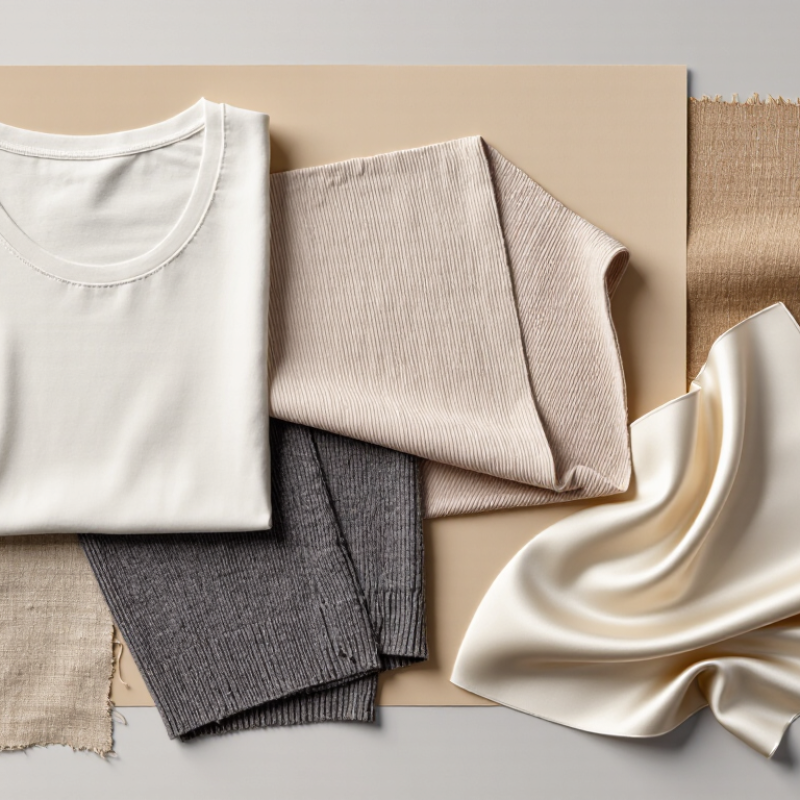
Cotton jersey often feels soft and flexible, while ribbed cotton can stretch more across the body. Wool fibers have natural crimp, helping some wool knits spring back after wear. Silk can feel fluid, but its stretch depends more on fabric construction than on the fiber alone. Linen and hemp are usually less elastic, though loose weaves can offer some movement. Names can be confusing.
This guide explores the main types, including cotton knits, wool fabrics, and selected silk constructions. It also explains how fiber, weave, and knit affect comfort, recovery, and everyday use. A fabric that stretches easily may still lose its shape; softness alone is not proof of durability. Check the fiber label, fabric weight, and care instructions before choosing. Small details matter. The best option depends on the garment, climate, and fit you want, and sometimes the trade-off is not obvious until the fabric is worn.
How Natural Fibers Stretch: The Role of Fiber and Knit Structure
Natural stretch begins with fiber shape, but fabric construction often decides how far a garment moves. Wool fibers have natural crimp, which helps them bend and recover after light extension. Cotton fibers are less springy, so cotton knitwear usually relies more on loop movement than fiber recoil. Linen has limited natural elasticity and may feel firm unless its construction allows extra give.
Structure matters. In a jersey knit, loops can widen and shift as the fabric stretches; a rib knit’s alternating columns can open farther across the body. That is why two fabrics with similar fiber content may feel very different at the knee or elbow. Look closely at the loops. A compact knit may resist movement, while a looser one can stretch more but may lose shape with wear. That trade-off is easy to miss.
Market figures add useful context, though they do not measure stretch. Textile Exchange’s Materials Market Report 2024 estimates that global fiber production reached 124 million tonnes in 2023; cotton accounted for about 19%, while wool remained below 1%. For product testing, ASTM D2594 evaluates stretch and growth in low-power knitted fabrics. These measures can help compare samples, but actual comfort also depends on fit, finishing, and repeated washing. A swatch tells part of the story, not all of it.
Wool Knits: Wool Fibers Can Elongate Roughly 25–35%
Wool knits stretch because wool fibers are naturally crimped and resilient. Individual fibers may elongate roughly 25–35% under tension, but this is not a finished garment’s stretch rating. The International Wool Textile Organisation’s Wool Facts technical reference reports that wool can extend substantially before breaking, with greater extension when wet. That matters. A ribbed cuff can open noticeably, while a dense jersey panel may feel comparatively firm. Knit loops, yarn twist, and finishing all affect the fabric’s movement.
Picture pulling a wool sleeve over your hand: the loops shift, then often spring back instead of staying bagged out. Wool’s natural crimp helps explain this recovery, though repeated strain and poor construction can still distort a garment. The 25–35% figure is useful context, not a shopping guarantee. I would not treat it as one. Test the actual knit gently, especially around cuffs and elbows, and check whether it recovers after release. IWTO’s technical guidance describes fiber behavior; it does not predict the exact stretch of every sweater. That distinction is easy to miss.
What Are the Top Types of Natural Stretch Fabric?
Typical elongation at break of selected natural fibers
Wool fibers can elongate roughly 25–35% before breaking, giving wool knits notable stretch potential. Values are approximate typical ranges; actual results vary with fiber condition, moisture, and test method. Fiber elongation is not the same as the stretch or recovery of a finished fabric.
Cotton Jersey: Cotton Fiber Elongation Commonly Ranges from 7–10%
Cotton jersey feels soft because its loops bend and shift against one another. Cotton fiber itself commonly elongates about 7–10% before breaking, according to Cotton Incorporated’s cotton-fiber guidance. That figure describes individual fibers, not how far a finished jersey shirt will stretch. ASTM D1445 provides a standardized method for measuring cotton-fiber breaking strength and elongation, helping textile professionals compare samples under controlled conditions.
In a jersey knit, stretch comes largely from loop structure, yarn, and finishing—not fiber elongation alone. A lightweight cotton tee may give gently across the chest, then recover less well after repeated wear. Results vary with yarn quality, knit density, and laundering. The 7–10% figure is useful context, but it cannot predict garment fit by itself. Real fabric behavior is messier.
Tips: Test a fabric swatch by pulling it across and along the knit, then releasing it. Note whether the loops return or stay visibly widened. For dependable comparisons, record fabric weight and construction, and follow care instructions before testing. A quick hand test helps, but it is not a laboratory measurement.
Silk Knits: Silk Filament Elongation Often Falls Between 15–25%
Silk knits feel supple because fine silk filaments bend easily and knitted loops can open under gentle tension. Textile reference tables, including J. Gordon Cook’s Handbook of Textile Fibres, commonly place silk filament elongation near 15–25%. That figure describes extension before a filament breaks, not the stretch of a finished sweater. A looped jersey can extend farther because its stitches rearrange. Feel the difference at a cuff: the fabric may widen, then relax only partly. It is not elastic in the same way as a fabric containing elastane.
Test conditions matter. Humidity, yarn twist, filament quality, and finishing can shift measured results. ASTM D5034 provides a grab test for fabric breaking strength and elongation, while ISO 2062 covers tensile testing of yarns; neither makes every silk knit behave alike. A swatch tested as yarn may give a very different number from a finished garment. Silk also tends to recover less consistently than springy wool, so repeated pulling can leave a neckline looking a little tired. That can be disappointing. Choose a close, balanced knit for cuffs, and avoid judging stretch from a single hard tug. A gentle crosswise pull tells more about everyday fit.
Linen Knits: Flax Fiber Elongation Is Typically Around 2–3%
Linen knits get their movement mainly from loop construction, not from highly stretchable flax fibers. Flax fiber elongation is typically around 2–3% before breaking, though results vary with fiber quality and test conditions. In a knitted fabric, interlocking loops can open and shift, giving the cloth more usable give than the fibers alone suggest. The difference is easy to feel: a linen jersey tee may stretch across the shoulders when pulled, then relax when released. It will not necessarily spring back like a fabric with elastic fibers.
That matters when choosing a close-fitting garment. A loose knit can feel flexible at first, yet grow longer after hours of wear, especially around elbows or knees. It can sag. Check the fabric’s recovery by gently stretching a small area and watching how quickly it returns; this is a useful observation, not a laboratory test. Linen’s moisture absorption can also change its hand and drape, so assess a sample in the condition you expect to wear it. A little unevenness is normal. I would not treat “stretch linen” as a promise of reliable recovery: yarn twist, knit density, finishing, and any blended fibers all affect the result.