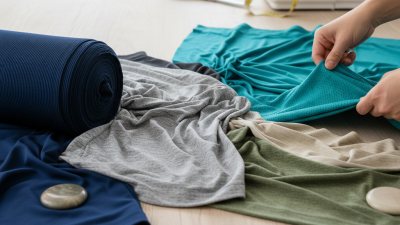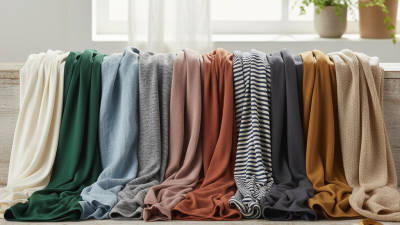
Choosing the Most Elastic Fabric for global sourcing requires more than checking a stretch percentage. A fabric may extend widely, yet lose shape after repeated washing, heat exposure, or daily movement. Buyers should examine fiber composition, recovery, weight, knitting structure, and finishing methods. Small details matter. A 280 GSM nylon-spandex jersey feels different from a lightweight polyester blend, even when both claim high elasticity.
Textile engineering researcher Dr. Subhash Anand has offered a practical principle: “Fabric performance should be judged in use, not only in the laboratory.” That guidance remains valuable for international procurement teams. A fabric roll should be tested under realistic conditions, including repeated stretching, abrasion, perspiration, and laundering. Records should include test methods, sampling locations, and acceptable tolerances. Without this evidence, “Most Elastic Fabric” can become a marketing label rather than a dependable sourcing decision.
Experience also exposes uncomfortable gaps. Laboratory results may look impressive, while production garments feel restrictive at the waistband or knees. Supplier samples may perform well, but bulk shipments can vary between dye lots. That risk deserves attention. Ask manufacturers for recovery data, colorfastness reports, origin details, and quality-control procedures. Confirm whether elastane content remains stable after finishing and storage. Sustainability should also enter the discussion, because extreme stretch can require complex fiber blends and affect recycling options. The best choice is not always the fabric with maximum extension. It is the material that balances stretch, recovery, comfort, durability, traceability, and cost for its intended market. Mistakes happen. Careful testing makes them less expensive.

Elasticity means a fabric’s ability to stretch under force and return to its original shape. Stretch describes movement; recovery describes performance after movement. These qualities are not identical. A fabric may stretch widely but recover poorly, creating loose knees, sagging waistbands, or distorted seams. For global sourcing, this distinction matters because garments face repeated wear, different climates, and long transport periods.
A practical sourcing review should measure stretch percentage, recovery rate, fabric weight, and stretch direction. Test both lengthwise and crosswise movement. A 25% crosswise stretch may suit fitted apparel, while excessive lengthwise stretch can damage fit. Ask suppliers for test conditions, including temperature, humidity, load, and recovery time. Results without conditions can mislead buyers. I have seen fabric samples perform well in a showroom but change after washing. That weakness deserves attention, not excuses. Fiber content, yarn construction, and finishing methods also influence long-term elasticity. Small production variations can create large fit differences.
Tips: Request samples from different production lots. Test them after washing, not only before. Compare recovery after ten, thirty, and sixty minutes. Check fabric width before and after stretching. Keep written tolerance limits. A simple test log improves supplier discussions, although it cannot replace independent laboratory testing. Mistakes still happen. Careful records make them easier to identify.
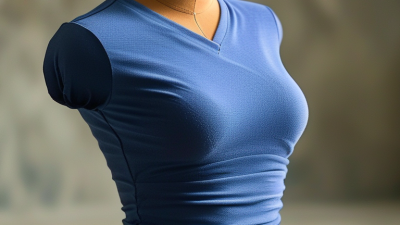
Choosing the most elastic fabric requires more than checking its stretch percentage. Stretch measures extension, while recovery shows how well the fabric returns after movement. A fabric may stretch widely but leave knee bags after repeated wear. For global sourcing, request both tests under ASTM D2594 or ASTM D3107 methods. Compare results after washing, not only from fresh samples.
Elastane blends usually provide the strongest recovery for leggings, swimwear, and fitted uniforms. Nylon-elastane often feels smooth and resists abrasion. Polyester-elastane can offer stronger color retention and quicker drying. Cotton-elastane feels softer and more breathable, but cotton may recover less effectively after repeated washing. The choice depends on use. A waistband needs recovery. A relaxed T-shirt needs comfort.
Textile Exchange’s Materials Market Report 2024 recorded about 124 million tonnes of global fiber production in 2023. Polyester represented the largest share, showing why polyester blends remain practical for large-volume sourcing. Yet volume does not equal performance. Ask mills for elongation, recovery, pilling, abrasion, and dimensional-change data. Also test fabric after five to ten wash cycles. It is a small step, but important.
Comfort can change with fabric weight, knit structure, and humidity. A highly elastic fabric may feel restrictive when recovery is too strong. I would not approve a fabric from one swatch alone. Real wear exposes problems that laboratory numbers sometimes miss. Supplier reports can contain gaps, so independent verification remains valuable.
How to Choose the Most Elastic Fabric for Global Sourcing?
Fabric elasticity should follow the product’s movement, fit, and recovery demands. A fitted training top needs controlled stretch, quick recovery, and low bagging after repeated wear. A lounge garment may prioritize softness over strong rebound. Do not select fabric by elastane percentage alone. Two fabrics with 8% elastane can feel completely different. Measure stretch direction, elongation, recovery, and growth after laundering. ASTM D4964 provides a recognized method for testing fabric elongation under tension. Use it during supplier qualification, not only during final inspection.
The 2024 Textile Exchange Materials Market Report estimated global fiber production at 124 million tonnes in 2023. This scale makes consistent testing essential across sourcing regions. Ask mills for test results from production fabric, not laboratory swatches. For a compression product, an internal target might require 30% four-way stretch and recovery above 90% after repeated extension. That target must match the pattern and intended pressure. For swimwear, chlorine and salt exposure also matter. For denim, modest stretch with strong recovery can protect the fit. Small details matter.
Global sourcing still involves judgment. A high recovery result may reduce comfort. A softer fabric may lose shape faster than expected. Review wash data, seam performance, and color stability together. ISO 20932-1 can support elastic fabric testing, but test conditions should reflect real use. Fit trials often reveal what reports miss. Sometimes, the “best” elastic fabric is simply the one that fails less dramatically.
| Fabric Construction | Typical Fiber Composition | Typical Two-Way Stretch | Typical Four-Way Stretch | Stretch Recovery | Elasticity Level | Best Product Applications | Performance Characteristics | Global Sourcing Considerations |
|---|---|---|---|---|---|---|---|---|
| Power Mesh / Stretch Mesh | Polyamide or polyester with 10–30% elastane | Approximately 30–70% | Approximately 40–80% | High when elastane content and fabric recovery are properly specified | Excellent | Shapewear, lingerie panels, dancewear, compression garments and performance inserts | Lightweight, breathable and highly conformable; may snag or lose recovery under excessive heat or abrasion | Confirm mesh openness, snag resistance, GSM, elastane percentage and recovery after repeated extension |
| Nylon–Elastane Tricot or Jersey | Polyamide with 15–30% elastane | Approximately 25–55% | Approximately 40–80% | Very high when knitted with quality elastane yarns | Excellent | Swimwear, activewear, dancewear, cycling garments and close-fitting sports apparel | Smooth hand, strong abrasion resistance, good shape retention and low moisture absorbency | Check chlorine, saltwater, sunscreen and UV resistance for swimwear; verify colorfastness and pilling performance |
| Polyester–Elastane Interlock or Jersey | Polyester with 8–25% elastane | Approximately 20–50% | Approximately 30–70% | High, particularly in medium- and high-elastane constructions | Very Good | Leggings, training tops, yoga apparel, uniforms and fitted athleisure products | Durable, quick-drying and dimensionally stable; moisture management depends on yarn and finishing technology | Specify recycled or virgin polyester separately, and request pilling, colorfastness, snagging and wash-recovery data |
| Cotton–Elastane Single Jersey | Cotton with 3–8% elastane | Approximately 15–35% | Approximately 20–45% | Moderate to high; depends strongly on elastane quality and laundering conditions | Very Good | T-shirts, fitted underwear, casualwear, children's garments and comfort-focused basics | Soft, breathable and comfortable; cotton can shrink and may recover less effectively than synthetic blends | Control shrinkage, spirality, elastane damage during dyeing and dimensional change after washing |
| Cotton–Elastane Twill or Woven Stretch | Cotton with 1–4% elastane | Approximately 10–25% | Usually limited | Moderate | Moderate | Stretch denim, trousers, skirts, workwear and fitted uniforms | Provides comfort ease while maintaining a tailored appearance; less suitable for highly compressive designs | Define stretch direction, fabric growth, bagging at knees or seat, shrinkage and seam slippage |
| Polyester–Elastane Woven | Polyester with 3–15% elastane | Approximately 10–30% | Approximately 15–35% | Moderate to high depending on elastane content and weave structure | Moderate | Stretch workwear, uniforms, travel trousers, fashion tailoring and lightweight outdoor apparel | Good durability, wrinkle resistance and dimensional stability; woven structures generally stretch less than knits | Test seam performance, recovery, fabric torque, colorfastness and comfort during repeated movement |
| Rib Knit | Cotton, polyester, viscose or blends; may include elastane | Approximately 50–100% crosswise stretch | Usually lower lengthwise stretch unless elastane is added | Moderate to high, depending on rib ratio, yarn type and elastane content | Excellent | Collars, cuffs, waistbands, fitted tops, babywear and body-hugging knitwear | Natural crosswise elasticity and good comfort; can grow or lose shape if over-stretched or poorly stabilized | Specify rib ratio, finished width, recovery after laundering, shrinkage and edge stability |
| Polyester or Nylon Ponte Knit | Polyester or polyamide with 3–10% elastane | Approximately 20–40% | Approximately 25–50% | High, with better structure than lightweight jersey | Very Good | Structured dresses, fitted jackets, trousers, skirts and premium uniforms | Firm hand, smooth appearance, good opacity and resistance to garment bagging | Balance stretch with pattern ease; evaluate pilling, thickness, drape, seam appearance and heat-setting stability |
| Wool or Wool-Blend Jersey | Wool blended with nylon, polyester or elastane | Approximately 15–35% | Approximately 20–40% | Moderate to high; natural wool resilience varies by fiber and knit structure | Moderate | Base layers, knit dresses, sweaters and performance apparel requiring warmth | Warm, breathable and naturally resilient; may be sensitive to felting, abrasion and unsuitable washing | Verify fiber certification where required, pilling grade, shrinkage, care method and odor or moisture-management claims |
| Non-Stretch Woven Fabric | Cotton, linen, polyester, nylon, wool or blends without elastane | Typically below 5% | Typically below 5% | Low, although mechanical comfort may be created through garment ease or bias cutting | Limited | Shirts, structured outerwear, uniforms, tailored products and loose-fit garments | Stable appearance and strong pattern control; requires sufficient ease for movement | Use only when the design does not require body-conforming stretch; test seam slippage and wear comfort |
| Specification note: Stretch percentages are typical indicative ranges for finished fabrics and vary with fiber blend, knit or weave construction, fabric weight, finishing and test direction. For production approval, request laboratory results using a defined method such as ASTM D2594, ASTM D3107 or an equivalent ISO method, and evaluate both stretch and recovery after repeated extension and laundering. | ||||||||
Choosing the most elastic fabric for global sourcing requires more than stretching a sample by hand. Supplier quality must be verified at the factory, not assumed from a polished swatch. Request fiber content, fabric weight, width, and construction details for every lot. Check whether the supplier controls yarn tension, knitting settings, dyeing temperature, and finishing pressure. Small process changes can alter recovery.
Testing should match the garment’s real use. Ask for stretch and growth results under recognized methods, such as ASTM D2594 or ISO 20932, where applicable. A qualified laboratory following ISO/IEC 17025 can improve confidence in the data. Include repeated stretching, washing, drying, and dimensional stability checks. Record both extension and recovery after a fixed rest period. A fabric that reaches 60% stretch may still sag after one hour.
Production consistency needs evidence over time. Review records from several lots, not one successful shipment. Compare GSM, width, color, stretch percentage, and recovery across rolls. Keep sealed reference samples and define acceptable tolerances in the purchase agreement. Inspect rolls under controlled lighting. Ask the supplier to report defects honestly.
No test predicts every sewing problem. I once treated a strong lab report as final proof, then found uneven recovery near the fabric edge. The mistake was limited sampling. More edge checks would have helped. Elastic fabrics demand technical judgment, clear records, and repeated verification.
The most elastic fabric is not always the best sourcing choice. A fabric may stretch widely, yet recover poorly after repeated wear. Test stretch, recovery, pilling, colorfastness, and seam behavior before approving a bulk order. A practical test includes repeated stretching and washing under controlled conditions. Record the fabric’s original width and its width after testing. Small differences can affect fit, returns, and production waste.
Cost depends on more than the fabric price. Fiber content, fabric weight, dyeing method, minimum order quantity, and inspection fees all influence the final figure. Lighter fabric may reduce freight costs, but it can feel less supportive. Recycled fibers may improve sustainability reporting, yet they require reliable documentation and consistent quality checks. Ask suppliers for test reports, origin details, and production timelines. Documents matter.
Shipping can change the decision. High stretch fabrics often need careful rolling, moisture protection, and stable packaging. Calculate cost per finished garment, not only cost per kilogram. My first costing model missed carton volume, which made the cheaper fabric less attractive. That mistake still influences how I compare samples. A fabric with moderate elasticity, dependable recovery, verified content, and predictable delivery may serve better than an extreme-performance option. Leave room for wear trials. Laboratory results cannot fully represent heat, sweat, friction, or uneven washing in daily use.