Global buyers sourcing Recycled Denim Fabric in 2026 face a practical challenge: recycled content must perform consistently, not merely sound sustainable. Textile Exchange’s Materials Market Report 2024 estimates that global fiber production reached 124 million metric tonnes in 2023. That scale makes material choices consequential. It also makes clear, comparable supplier information essential.
For denim buyers, the details matter. Ask how recycled cotton is verified, what other fibers are blended in, and whether fabric testing covers shrinkage, colorfastness, and abrasion. Request current certificates, test reports, sample yardage, and clear minimum-order quantities. A swatch may feel sturdy under showroom lights, yet behave differently after repeated washing. The label alone is not proof.
Fashion Revolution co-founder Orsola de Castro has said, “The most sustainable garment is the one already in your wardrobe.” Her reminder speaks to durability as well as material choice. A recycled fabric that wears out quickly is a weak solution. This guide compares suppliers through sourcing transparency, product consistency, customization, and export readiness. It is designed to help global buyers ask sharper questions before placing orders. Supplier claims can still be difficult to compare, and public data is not always complete. That deserves scrutiny. Use the profiles as a starting point, then verify specifications, documentation, and delivery terms directly with each supplier.
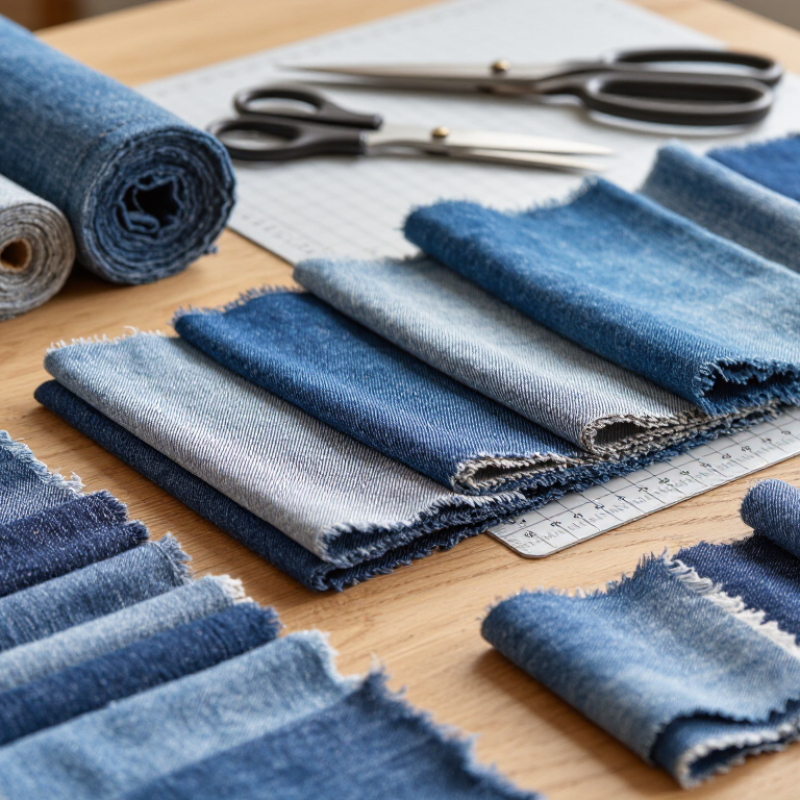
For global denim buyers, “recycled” needs a measurable definition. Textile Exchange’s Global Recycled Standard sets a minimum of 20% recycled material for a product to qualify for GRS certification. That threshold is a starting point, not proof that a fabric is mostly recycled. Buyers should check the certified product scope, material breakdown, and transaction records across the supply chain.
The distinction matters. Textile Exchange’s Materials Market Report 2024 estimates that global fiber production reached 124 million tonnes in 2023. Recycled polyester made up 12.5% of polyester production, and nearly all of it came from recycled PET bottles rather than discarded textiles. That figure does not describe recycled denim specifically, but it shows why feedstock origin deserves close attention. A fabric label alone may not reveal it.
For denim, request the recycled-content percentage by fiber, such as recycled cotton versus recycled polyester. Ask whether the percentage applies to the fabric or the finished garment. Check that supplier documents match the actual lot and colorway; small production changes can complicate traceability. The 20% threshold is useful, but it can invite lazy comparisons. A higher verified share may matter more to a buyer’s sourcing goals. Don’t assume. Verify.
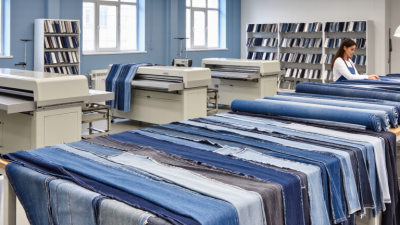
Global fiber production reached 124 million tonnes in 2023, according to industry estimates. That is an enormous material stream. Yet the figure covers many fiber types, not denim alone. It measures production, too, rather than how much material was recovered after use. That distinction matters when buyers map recycled denim supply for 2026.
A practical market check starts with feedstock. Post-consumer jeans offer a clear reuse story, while factory cutting waste is often easier to sort. Both need traceable records, composition details, and tests for strength, colorfastness, and shrinkage. Ask whether recycled-content claims apply to yarn, fabric, or the finished garment. Small details count. A swatch may look convincing, but production rolls can vary.
Supplier capacity is only one part of the fit. Check minimum order quantities, lead times, batch controls, and supporting documents. Recycled fibers can be shorter, so blends may help retain durability; results depend on yarn design and finishing. Request trial yardage. The process is not perfectly neat: waste categories can differ, and paperwork may not show every step. A roll label should match its test report.
For global buyers comparing recycled denim suppliers in 2026, feedstock matters as much as the fabric’s recycled-content claim. Pre-consumer waste usually comes from cutting-room scraps, rejected rolls, or leftover yarn. Its known origin and relatively consistent color can make sorting easier. That helps. Yet offcuts may represent only a narrow range of mills, shades, and fiber blends. Ask suppliers how they separate cotton-rich scraps from stretch denim and how they document each batch.
Post-consumer feedstock comes from worn jeans and other discarded garments. It can offer a broader waste stream, but labels, trims, fading, and mixed fibers make processing less predictable. A bale may look uniform from the outside. Inside, it may not be. Mechanical recycling can shorten cotton fibers, so suppliers may blend recycled material with stronger fibers to meet a fabric’s intended use. Request test results for strength, shrinkage, and color consistency, then compare them with a physical sample. The distinction is useful, but not perfect: some suppliers combine both feedstocks, and “recycled denim” alone does not reveal the proportions. Ask for batch-level sourcing details and verify whether stated percentages refer to fiber content or total fabric weight.
Comparison of common supplier models, not named companies. Feedstock mix, recycled content, availability, and certifications vary by supplier, product, and production lot; confirm each claim with current documentation.
| Supplier model | Typical denim feedstock | Feedstock category | Common processing route | Potential fabric offering | Buyer checks |
|---|---|---|---|---|---|
| Denim mill using its own production waste | Cutting scraps, selvedge remnants, and other suitable cotton-rich waste from fabric or garment production. | Usually pre-consumer; the precise classification depends on where the material arises and whether it would otherwise have been discarded. | Sorting by composition and colour, mechanical opening into fibre, then spinning—often with virgin or other recycled fibre to meet yarn requirements. | Potentially consistent denim qualities when the waste stream is controlled; available colours and volumes depend on the mill’s production mix. | Ask for feedstock origin, recycled-content calculation, lot-level records, fibre composition, and whether the material is internally reworked rather than counted as recycled input. |
| Mechanical recycler supplying reclaimed denim fibre | Sorted denim cutting waste and, where accepted, discarded denim garments or other cotton-rich textiles. | Can include pre-consumer and post-consumer material; the two streams should be documented separately if buyers need to distinguish them. | Sorting, removal of unsuitable components where practical, shredding or garnetting, fibre opening, and preparation for spinning. | Reclaimed fibre for yarn or fabric blends; fibre quality can vary with feedstock condition, colour, construction, and processing. | Check contamination controls, material composition, colour-sorting method, batch consistency, and the downstream spinner’s blend requirements. |
| Post-consumer textile collector and recycler | Used denim garments collected after use by households or other end users, subject to local collection and sorting systems. | Post-consumer, when the material has reached the end user and is discarded or otherwise diverted from the waste stream. | Collection, sorting by material and colour, removal or management of trims, and mechanical recycling or another documented recycling process. | Recycled denim fibre or blended yarn and fabric, subject to the recycler’s available feedstock and processing route. | Request evidence of collection origin, sorting and trim-handling procedures, chain-of-custody records, and the proportion of post-consumer input in the finished product. |
| Fabric producer using mixed recycled feedstocks | A declared combination of pre-consumer denim waste, post-consumer denim, or other recycled fibres, depending on the product specification. | Mixed; the feedstock categories and proportions are product- and batch-specific and should not be inferred from a general product description. | Feedstock sorting and blending, followed by yarn spinning and denim weaving; additional finishing may be applied to the fabric. | A wider range of weights, constructions, and compositions may be available, but recycled content and performance depend on the specified blend. | Specify the required pre- and post-consumer shares, fibre composition, performance tests, colour and finish, and acceptable lot variation in the purchase specification. |
Terminology and verification: Pre-consumer material generally comes from manufacturing processes before a product reaches an end user; post-consumer material comes from end users after the product has served its intended purpose. Ask suppliers for product-specific composition and traceability evidence. Recycled-content certifications, where offered, should be checked for current validity, scope, and coverage of the relevant product and supply-chain stages.
A recycled-denim claim needs more than a certificate image. Ask for the supplier’s current GRS scope certificate and confirm that its listed sites and processes match the actual production route. Check the certifier, validity dates, and product categories. Paperwork matters. For a specific order, request the relevant transaction certificate where applicable, then compare its material description and quantity with your purchase documents.
Trace the fabric by lot. Request purchase invoices, batch records, and shipping documents that connect recycled fiber to the finished denim. The stated recycled percentage should match across these records.
Check what the figure covers: denim fabric alone, or also pocketing and other components? Small discrepancies happen. They still need clear explanations.
A certificate can support traceability, but it does not prove every roll in a shipment contains the stated amount. Ask for test reports or other product-specific evidence when available, and compare the paperwork with roll labels and sample specifications.
Keep copies linked to each order.
It is easy to overlook one missing document during a busy buying season.
For a 2026 supplier ranking, compare recycled denim mills on the same order size and fabric specification. Record minimum order quantity, quoted lead time, fabric weight in grams per square metre, and traceability evidence. A 9-ounce swatch and a 13-ounce swatch serve different products, so weight alone does not indicate quality. Ask whether recycled content is verified for the specific fabric, not merely the mill’s general collection. Request a recent lot record and a physical sample.
Tips: Put each quote into one table. Note the yarn composition, finish, MOQ, sample time, bulk lead time, and available documentation. Ask whether the lead-time estimate includes dyeing and finishing. Small details matter.
A low MOQ can suit a trial run, while a longer lead time may reflect custom yarn or finishing steps. Treat quoted timelines as estimates until production dates are confirmed. Sample weight, shade, and hand feel can shift between lots; check them against agreed tolerances before approving bulk production. Traceability is not always equally detailed, either. Some records follow recycled fibre to yarn, while others cover only the finished fabric. That distinction deserves a clear question—and a careful answer.