What Are the Top 10 Most Stretchable Fabrics?
Stretch can make a fabric feel freeing, but a high stretch percentage alone does not tell the whole story. Recovery matters too. A jersey sleeve may pull comfortably over the arm, then sag at the elbow after repeated wear. That difference comes from fiber choice, yarn construction, knit or weave, and finishing. The Most Stretchable Fabric is therefore not one universal material; the best option depends on the garment and how it will be used.
This guide compares ten fabrics, including elastane blends, stretch jersey, rib knit, spandex mesh, and selected performance textiles. It looks at stretch direction, recovery, breathability, durability, and care needs. A fabric that feels soft in a shop may behave differently after washing. Small details matter. For a reliable expert quotation, a source should be checked before words are attributed to a named specialist. Textile materials researcher Dr. Seshadri Ramkumar is a relevant authority in textile research, but no verified statement from him on this specific ranking was supplied. So this article will not invent one. A useful editorial rule is simple: “Stretch matters most when the fabric recovers.” The ranking should be treated as a practical comparison, not a laboratory standard. Body movement, garment pattern, and fabric weight can change the result. That is worth remembering.
Understanding Stretchability in Fabrics
Understanding stretchability means looking beyond the fiber label. A fabric stretches through fiber elasticity, yarn design, and construction. Elastane can help a cloth return to shape, while knit loops often create movement through their structure. A tight woven fabric may resist stretching even when its fibers are flexible. Feel the difference at a sleeve cuff: it should expand, then recover without bagging.
Testing makes comparisons more reliable. ASTM D3107 measures stretch and growth in woven fabrics under specified conditions; knitted fabrics use different methods, such as ASTM D2594. Results depend on load, direction, and test setup, so percentages from different tests are not always comparable. Textile Exchange’s Materials Market Report 2024 estimates global fiber production reached 124 million tonnes in 2023, with polyester representing about 57 percent. That scale matters: synthetic fibers are widespread, but fiber volume alone does not predict a fabric’s stretch. Small detail. Construction still counts.
Tips: Check stretch across both the length and width, then release the fabric and look for lasting distortion. For activewear, test a swatch after washing; results can change. A quick hand-pull is useful, but it is not a lab test.
How Stretch and Recovery Are Measured
Stretch is not a single property. It describes how far fabric extends under a defined force, while recovery shows how well it returns afterward.
To compare samples, cut equal-sized pieces and mark a measured distance, such as 10 centimeters, along the length and width. Apply the same load to each piece, then record its extended length.
A 10-centimeter mark reaching 15 centimeters represents 50 percent elongation. Keep the force, hold time, and fabric conditioning consistent; otherwise, the comparison may mislead.
Recovery needs its own measurement. Release the load, let the sample rest for a set period, and measure the marked distance again. If it settles at 10.5 centimeters, it has 5 percent residual growth. Recovery can be expressed as the recovered portion of the original extension: in this example, 90 percent.
Test more than one piece, and repeat the process across several extension cycles. The first pull may look impressive. Later pulls can reveal sagging.
Record whether the fabric is knit or woven, and test both directions, since stretch often differs across the grain. Temperature, moisture, and finishing can also change results.
A tabletop test is useful for screening, but it is not a universal standard. One limitation remains: real garments face movement and washing, which a simple strip test cannot fully reproduce.
The 10 Most Stretchable Fabrics
The 10 Most Stretchable Fabrics
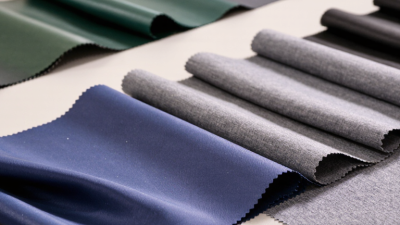
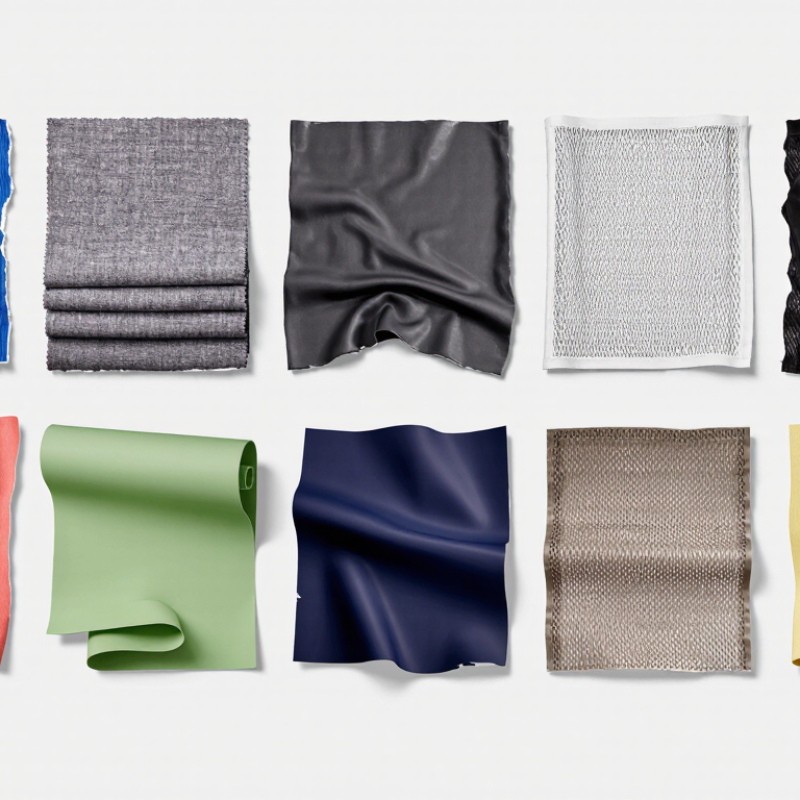
Stretch depends on both fiber and construction. A fabric may contain elastane yet feel firm if its weave restricts movement. Elastane-rich knits usually offer the greatest give, especially when they stretch in four directions. They suit leggings and fitted sportswear, but can feel warm against skin. That matters. Rib knit stretches easily across the body and often recovers well, making it useful for cuffs and close-fitting tops. Jersey knit feels softer and lighter, though some versions bag at the knees or elbows. Power mesh combines stretch with airflow; its open structure is easy to spot under a bright light. Tricot is a smooth, stable knit often used for swimwear and linings.
Stretch lace adds flexibility to delicate-looking garments, but its open patterns may snag. Ponte knit feels thicker and steadier, with enough stretch for dresses and trousers. Stretch denim moves more freely than rigid denim, though the amount varies with its fiber blend. Stretch velvet has a plush surface and a gentle give, but pressure can leave visible marks.
These ten fabrics are not a fixed ranking: a dense rib knit may feel less flexible than a well-made jersey. Check the fabric by gently pulling it both ways, then see how quickly it returns. A quick test helps, but it cannot predict how a garment will behave after repeated wear.
Comparing Stretch, Comfort, and Durability
Stretch is only one part of a fabric’s performance. Construction and fiber blend matter, too. Nylon-elastane knits stretch widely and usually snap back well, making them useful for activewear. Polyester-elastane blends often resist abrasion and dry quickly, though they can feel warm during a long workout. Cotton jersey with elastane feels soft against skin, but repeated washing may loosen its recovery. Rib knit expands comfortably across the body; its durability depends on how tightly it is made. Stretch denim offers firm support and everyday toughness, but usually feels less flexible than a smooth knit.
Wool jersey has natural give and regulates warmth, yet needs gentler care. Bamboo-viscose blends feel fluid and cool, though heavy stretching can leave them baggy. Power mesh stretches in several directions and holds shape well, but may feel rough without a lining. Tricot knits are smooth and resilient, while their comfort varies with weight and ventilation. Stretch lace is lightweight and flexible, but delicate edges can snag. Stretch fleece feels cozy and moves easily, although thick versions can trap heat. A useful test is to pull a swatch gently, release it, and check for wrinkles or slow recovery. I would not judge from stretch alone; comfort changes with skin sensitivity, fit, and even room temperature.
Top 10 Most Stretchable Fabrics
Ratings are indicative comparisons, not standardized laboratory measurements. Stretch, comfort, and durability vary with fiber blend, fabric construction, weight, and care.
Choosing Fabrics for Different Applications
Choosing a stretch fabric starts with the movement and feel a garment needs. Cotton-spandex jersey suits soft T-shirts and casual leggings, while rib knit adds comfortable give to cuffs and fitted tops. For swimwear or close-fitting activewear, nylon-spandex and polyester-spandex blends often recover well after stretching. They also dry faster than many cotton-heavy fabrics. Ponte and scuba knits provide more structure for dresses or jackets, while stretch denim offers easier movement in everyday trousers.
The fiber content matters, but so does the knit or weave. A stretchy fabric can still feel restrictive if it is too thick or cut too tightly. Lightweight tricot works well for linings and dancewear; wool blends can add warmth to flexible sweaters. There is no single best choice. A fabric that feels supportive during a quick fitting may become uncomfortable after hours of wear, so test it in motion.
Tips: Stretch a swatch across and along the grain, then let it relax. Check whether it returns to shape and whether seams stay smooth. For a fitted garment, wash a sample first; shrinkage or fading can change the fit. Small tests help, though they cannot predict every wear condition.