Leave Your Message

China Top Microfiber Spandex Fabric Manufacturer?

China’s textile sector has become a major sourcing base for performance fabrics, but choosing the right supplier requires more than comparing prices. This article examines how to identify a reliable Microfiber Spandex Fabric manufacturer in China. It focuses on fiber composition, knitting quality, testing, production capacity, and export experience.

Textile Exchange’s Materials Market Report 2024 estimates that global fiber production reached approximately 132 million tonnes in 2023. Polyester represented about 57% of total output, while elastane remained a smaller but essential performance fiber. This combination supports lightweight stretch fabrics used in sportswear, swimwear, underwear, and fitted uniforms. Textile scientist Dr. Subhash K. Batra explains, “Microfibers are fibers with a linear density below one denier per filament.” That fine structure creates a soft hand feel and dense surface. Spandex adds recovery after repeated stretching.

A dependable Chinese manufacturer should provide measurable details. Ask for fabric weight, such as 180–220 GSM, and construction data, such as 75D/36F microfiber with 20% spandex. Request test results for colorfastness, dimensional stability, tensile strength, and stretch recovery. OEKO-TEX Standard 100 and ISO 9001 can support credibility, but certificates alone prove little. Factory audits still matter. So do production samples.

Grand View Research identifies rising demand for stretch and performance textiles across apparel applications. However, market forecasts can differ between research firms. That uncertainty deserves attention. No supplier is perfect. A strong choice combines consistent samples, transparent documentation, responsive communication, and realistic lead times. This guide helps buyers compare China’s top Microfiber Spandex Fabric manufacturers without trusting polished claims too quickly.
China Top Microfiber Spandex Fabric Manufacturer?

Microfiber Spandex Fabric: Definition and Core Characteristics

Microfiber spandex fabric combines extremely fine synthetic fibers with elastic spandex yarns. The microfiber structure creates a smooth, dense surface with a soft hand feel. Spandex supplies stretch, usually in two directions or four directions, depending on the knitting method. This combination supports close-fitting sportswear, swimwear, leggings, underwear, and performance garments.

In production, fiber fineness matters. Finer fibers can improve softness and surface coverage, but they may require stricter control during knitting and finishing. A typical fabric may contain polyester microfiber with a measured percentage of spandex. The exact ratio affects stretch, recovery, weight, and drying speed. Higher spandex content does not always mean better quality. Poor heat control can weaken recovery.

The fabric usually offers good drape, color clarity, and resistance to everyday abrasion. Its dense construction can also reduce transparency, though this depends on weight and tension. Moisture moves across the surface quickly, but microfiber spandex is not automatically highly breathable. Structure decides that. Testing should include stretch recovery, pilling, colorfastness, dimensional stability, and wash performance. Small differences matter. A fabric may feel excellent on a sample table, yet behave differently after repeated washing. That is why experienced manufacturers compare laboratory results with actual garment trials. Some limitations remain easy to overlook. Excessive heat, rough washing, or unsuitable finishing can shorten its service life.
Microfiber Spandex Fabric: Definition and Core Characteristics

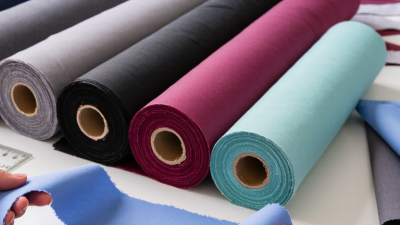
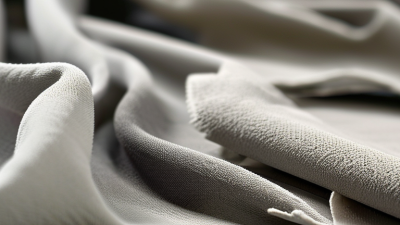
Microfiber spandex fabric is a stretch textile made by blending ultra-fine synthetic fibers, typically polyester or nylon microfiber, with elastane (spandex). The chart shows a representative 85/15 construction commonly used for lightweight, soft, and elastic fabrics.

Microfiber contributes softness, smoothness, compact coverage, and quick-drying performance, while spandex provides elasticity and body-conforming comfort. Actual fiber ratios vary according to the intended use, fabric weight, knitting or weaving method, and required stretch level.

How Microfiber Spandex Fabric Is Manufactured

Microfiber spandex fabric begins with carefully controlled polymer preparation. Nylon or polyester is melted, filtered, and spun through extremely fine spinnerets. Fibers below 1 dtex create the soft microfiber surface. Spandex is produced separately from polyurethane through dry spinning. It supplies stretch and recovery. The Textile Exchange Materials Market Report 2024 reported 124 million tonnes of global fiber production in 2023, with polyester representing 57%. That scale explains the importance of consistent polymer quality.

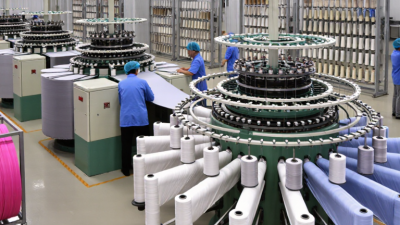
During manufacturing, the microfiber yarn and spandex are combined by air covering or core spinning. Tension must remain stable. Too much tension can damage elastic recovery. The yarn then enters a circular knitting machine, where loop density controls softness, weight, and drape. Greige fabric is scoured before dyeing. Heat setting follows, usually under carefully measured temperature and width conditions. Dyeing laboratories check shade, shrinkage, pH, and colorfastness before bulk production.

Testing is not a final formality. It should continue throughout production. AATCC and ISO methods commonly assess dimensional change, abrasion, stretch recovery, and perspiration colorfastness. In practice, fabric may pass laboratory tests yet feel slightly harsh after finishing. That difference deserves investigation. A small flaw remains: recycled inputs can vary more than expected. Better supplier records, moisture control, and repeated washing tests can reduce surprises. Skilled technicians still need to inspect the fabric by hand. Numbers help, but they do not replace judgment.

Key Performance Properties and Functional Benefits

China Top Microfiber Spandex Fabric Manufacturer?

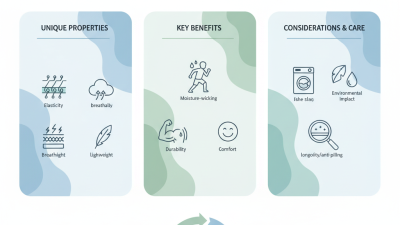
Microfiber spandex fabric combines fine-denier synthetic yarns with elastic fiber. This structure creates a smooth hand feel and close, flexible fit. It also supports four-way stretch in well-engineered constructions. Recovery matters. A fabric that stretches easily but relaxes permanently will fail during repeated wear.

Recovery matters. A fabric that stretches easily but relaxes permanently will fail during repeated wear.

Textile Exchange’s Materials Market Report 2024 estimates global fiber production reached about 132 million tonnes in 2023. Polyester represented roughly 57% of that volume, showing the scale of synthetic textiles and the need for better performance decisions.

In practical testing, microfiber fabric can improve moisture spreading because its fine filaments create more surface area. AATCC TM195 testing can measure liquid moisture management, while ASTM D4964 evaluates fabric stretch and recovery. These results are more reliable than touch-based claims.

The benefits are visible in sportswear, swimwear, base layers, and fitted garments.

The fabric dries quickly, resists surface abrasion, and reduces bulky seams around the body.

Spandex also helps garments maintain shape after movement.

Not every fabric performs equally. Fiber ratio, knitting density, finishing chemistry, and dyeing conditions can change the result. This is where supplier experience becomes important.

A useful weakness remains.

High stretch can reduce long-term recovery. Excessive heat may accelerate damage. Buyers should request test reports, wash-cycle data, and dimensional stability results before approval. Performance claims need evidence, not attractive wording.

Major Applications Across Apparel and Textile Industries

Microfiber spandex fabric combines a fine surface, soft touch, and controlled stretch. These qualities make it useful across modern apparel production. In factory sampling, the fabric often feels cool against skin and recovers well after repeated movement. That matters for leggings, base layers, underwear, dancewear, and fitted casual garments. A reliable manufacturer should provide fabric specifications, test records, and stable color samples before bulk production.

Sportswear uses this fabric for training tops, cycling shorts, yoga clothing, and lightweight jackets. Its dense construction can support smooth printing and clean garment shaping. Swimwear producers may also select it for flexible panels and comfortable lining structures. In daily apparel, it works well for fitted dresses, stretch trousers, and children’s clothing. Small details matter. A rough seam can reduce comfort, even when the fabric itself feels soft.

The textile sector also uses microfiber spandex in stretch linings, protective covers, and selected home-textile components. Performance depends on fiber ratio, fabric weight, dyeing control, and finishing methods. During inspections, manufacturers should check width, shade consistency, stretch recovery, pilling, and shrinkage. No fabric solves every production problem. I have seen attractive samples fail after washing because finishing was too aggressive. Better results come from realistic testing, clear communication, and adjustments before cutting begins.

How to Evaluate a Top Microfiber Spandex Fabric Manufacturer

Evaluating a top microfiber spandex fabric manufacturer in China requires more than comparing quotations. Request technical sheets showing fiber composition, width, weight, denier, and stretch recovery. Ask how results are tested, not only for final numbers. A reliable factory should explain test conditions clearly. It should also provide recent sample lots for comparison. Touch matters. Rub the fabric, stretch it repeatedly, and inspect curling at the cut edge.

Production experience becomes visible through consistency. Review dye-lot control, knitting records, inspection points, and roll identification. Ask for realistic lead times, minimum order quantities, and defect-handling procedures. Traceability should reach the yarn batch and finishing date. Independent reports can support claims about colorfastness, shrinkage, pilling, and restricted substances. Certificates matter only when their scope and validity are verifiable. An on-site or third-party audit adds useful evidence, especially for quality systems and worker safety.

Communication is another practical test. A capable technical team should answer questions about heat setting, moisture management, and recovery without vague promises. Request a lab dip and a small trial order before committing to volume. Compare actual rolls against the approved sample. Differences may appear after washing. No supplier is flawless. I would not treat one successful sample as proof. Record complaints, corrective actions, and response times instead of trusting polished presentations. A top manufacturer earns confidence through repeatable data, transparent limitations, and fabric that performs beyond the showroom.

China Top Microfiber Spandex Fabric Manufacturer? - How to Evaluate a Top Microfiber Spandex Fabric Manufacturer

Practical Evaluation Scorecard for Microfiber Spandex Fabric Manufacturers
Evaluation Dimension Indicative Technical Benchmark Recommended Evidence Verification Method Suggested Weight Priority
Fiber Composition Accuracy Actual fiber content should match the purchase specification and applicable labeling requirements. Common constructions include polyester or nylon microfiber blended with approximately 5%–20% elastane, depending on end use. Signed specification sheet, batch composition record, and test report showing fiber percentages. Confirm by an accredited textile laboratory using an applicable fiber composition test method. 10% High
Fabric Weight and Width Control Fabric weight and usable width should remain within the agreed commercial tolerance. Many performance fabrics are specified by GSM, finished width, and roll length. Technical data sheet, inspection records, roll-by-roll measurement report, and approved sample. Measure GSM according to ASTM D3776 or an equivalent ISO method; measure width under controlled conditions. 8% High
Stretch and Recovery Stretch performance must be matched to the garment application. Key indicators include elongation, power, growth, and recovery after repeated extension. Stretch and recovery test report, construction details, elastane percentage, and approved performance sample. Use an agreed test method and test direction, such as ASTM D2594, ASTM D4964, or an equivalent laboratory procedure. 15% High
Tensile and Tear Strength The fabric should meet the minimum strength requirement established for its final use, such as sportswear, swimwear, underwear, leggings, or lining. Recent laboratory report identifying fabric construction, lot number, test direction, and conditioning conditions. Review tensile results under ASTM D5034 or ISO 13934-1 and tear results under an agreed applicable standard. 10% High
Abrasion Resistance Performance should be appropriate for expected wear. High-contact products require stronger resistance to surface breakdown, fuzzing, and hole formation. Martindale or equivalent abrasion report, pilling report, and end-use performance requirement. Evaluate abrasion under ASTM D4966 or ISO 12947 and compare the result with the buyer’s specification. 8% High
Pilling Resistance A suitable fabric should maintain an acceptable surface appearance after repeated rubbing. The required grade depends on product positioning and garment usage. Visual grading report with photographs, test conditions, and tested fabric color. Use ISO 12945-2, ASTM D3512, or another agreed pilling method. Compare against a defined minimum grade. 7% Medium
Colorfastness Color should remain stable during laundering, perspiration, water exposure, and rubbing. Dark and bright shades generally require closer control. Colorfastness report, shade band, lab dip approval, bulk shade continuity record, and dye recipe control. Review washing, perspiration, water, and rubbing results using relevant ISO, AATCC, or equivalent methods. 10% High
Dimensional Stability Lengthwise and widthwise shrinkage should stay within the agreed limit after the specified washing and drying process. Pre-production and bulk test results, washing instructions, and finished-fabric relaxation procedure. Test according to ISO 5077 with ISO 6330 washing and drying procedures, or an equivalent agreed protocol. 10% High
Moisture Management and Comfort For activewear and next-to-skin products, assess wicking, drying behavior, air permeability, hand feel, and skin comfort rather than relying only on fiber content. Moisture-management data, air-permeability results, hand-feel standard, and end-use sample. Use buyer-defined performance tests or recognized methods such as AATCC 195 for liquid moisture management where applicable. 8% High
Surface Quality and Defect Control Fabric should be free from major defects such as holes, broken elastane, streaks, barre, uneven dyeing, needle lines, contamination, and unacceptable shade variation. Four-point inspection records, defect classification guide, shade continuity report, and roll inspection data. Conduct pre-shipment inspection using an agreed four-point system, light conditions, sampling plan, and defect limits. 10% High
Production Capacity and Lead Time Capacity should be evaluated against the required monthly volume, fabric construction, dyeing complexity, and delivery schedule rather than by machine count alone. Production plan, capacity statement, current lead-time schedule, and sample-to-bulk timeline. Compare stated capacity with historical delivery performance and verify whether knitting, dyeing, finishing, and inspection are coordinated. 6% Medium
Quality Management System A reliable supplier should maintain documented procedures for incoming materials, in-process inspection, laboratory testing, final inspection, corrective action, and traceability. Quality manual, inspection checklist, calibration records, nonconformity reports, and corrective-action records. Perform a documented factory audit and review at least several recent production records with sensitive commercial information removed. 6% High
Chemical and Product Safety Compliance Materials should comply with the buyer’s restricted-substance requirements and destination-market regulations. The applicable list must be confirmed before production. Current third-party chemical test report, restricted-substance declaration, chemical inventory, and supplier declarations. Test representative production samples through a competent laboratory against the current buyer RSL and applicable legal requirements. 5% High
Traceability and Batch Consistency Each shipment should be traceable to yarn, knitting, dyeing, finishing, inspection, and packing records. Lot identification should remain consistent across documents. Roll labels, batch numbers, dye-lot records, inspection reports, packing lists, and shipment documents. Conduct a backward and forward traceability exercise using one randomly selected production roll. 4% Medium
Sustainability Documentation Environmental claims should be supported by verifiable documentation, such as wastewater records, recycled-content evidence, energy data, or recognized certification where relevant. Valid certification documents, transaction records where applicable, wastewater test results, and environmental policy. Check certificate validity, scope, transaction coverage, and whether the documentation applies to the actual fabric and production site. 3% Medium
Note: The benchmarks above are general purchasing guidelines. Final acceptance limits should be defined in a signed product specification because microfiber spandex performance varies with fiber type, yarn count, knit structure, finishing process, fabric weight, color, and intended end use.