Leave Your Message

10 Tips for Choosing the Most Stretchable Fabric

Choosing the Most Stretchable Fabric is not simply about pulling a sample and watching it expand. A fabric may stretch widely, yet recover poorly after repeated wear. Another may feel soft but lose shape around elbows, knees, or waistbands. Understanding this difference helps shoppers, designers, and manufacturers make more reliable decisions.

The Most Stretchable Fabric usually combines flexible fibers with a stable construction. Spandex, also called elastane, often provides strong stretch and recovery. However, fiber content alone does not tell the whole story. Knit structure, fabric weight, yarn quality, and finishing methods can change performance significantly. A lightweight nylon-spandex blend may suit swimwear, while a firm polyester blend may work better for compression clothing. Check the label carefully. Then test the material.

Stretch it across the grain and along the length. Measure how far it extends, then watch how quickly it returns. Notice whether the surface becomes pale, shiny, or distorted. These small signs reveal problems that a product description may hide. Touch matters too. A rough fabric can irritate skin, even when its stretch looks impressive.

Real-world experience also matters. A fabric that performs well in a fitting room may disappoint after washing, drying, and repeated movement. Care instructions deserve attention. So does durability.

There is no universal winner.

These ten practical tips examine stretch, recovery, comfort, breathability, and lasting value. Some recommendations may need adjustment for your project. That is part of the process. Testing remains more trustworthy than assumptions.
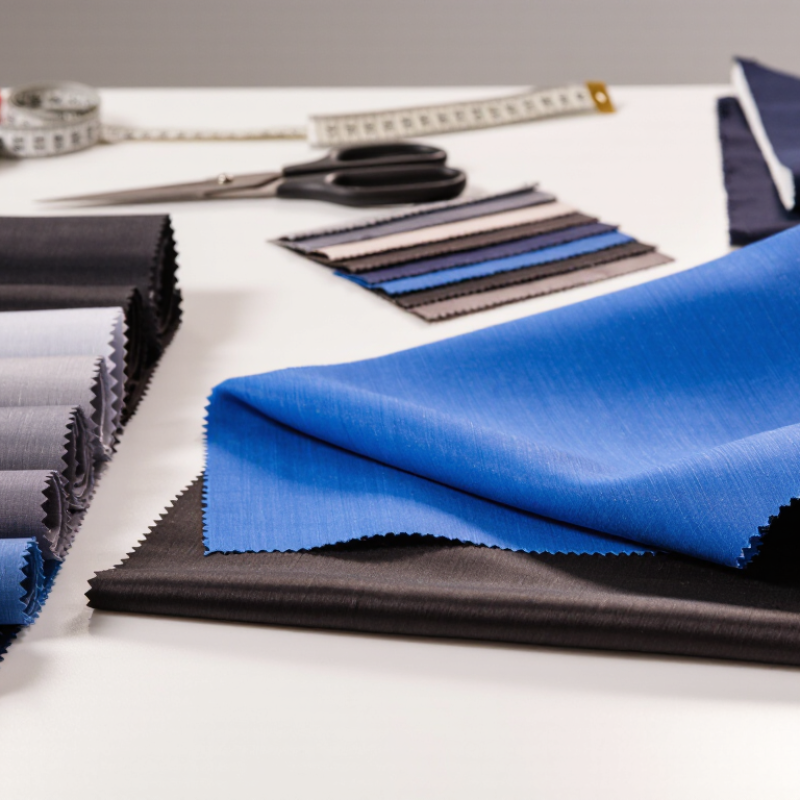
10 Tips for Choosing the Most Stretchable Fabric

Understanding Fabric Stretch and Recovery

Fabric stretch is not the same as fabric recovery. Stretch describes how far a material extends under tension. Recovery shows how well it returns afterward. A fabric may feel flexible in a fitting room, yet develop bagging at the knees after repeated wear.

Textile Exchange’s 2024 Materials Market Report estimates global fiber production reached 124 million tonnes in 2023. This scale makes fiber selection important, but fiber content alone cannot predict performance. Elastane can improve extension, while knit construction, yarn tension, and finishing also influence recovery. Even a high-stretch fabric may recover poorly when its structure is loose or overloaded.

Tip 1: Check both directions. Pull a 10-centimeter strip across the width and length, then measure its return after one minute. Record the result. Small differences matter.

Tip 2: Test recovery after movement. Stretch the fabric repeatedly, rather than once. ASTM D2594 provides a recognized method for evaluating stretch properties in knitted fabrics. For woven fabrics with elastic yarns, ASTM D3107 is commonly referenced.

Tip 3: Include washing. Heat, detergent, and abrasion can change elastic performance. Textile Exchange’s report projects fiber production could reach 160 million tonnes by 2030, increasing pressure for durable material choices. Still, durability claims need testing.

Touch is useful, but unreliable. I once trusted a soft, springy sample that became visibly loose after laundering. A simple recovery test would have exposed that weakness earlier. Stretch should serve movement, not hide construction flaws.
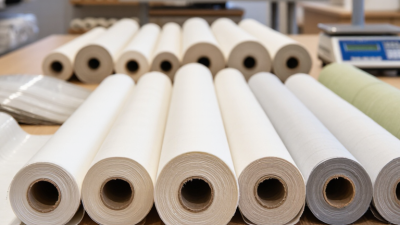
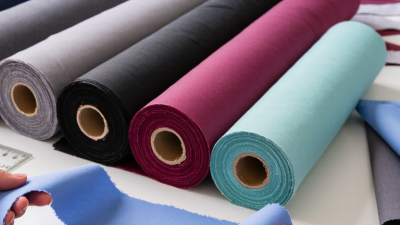
Identifying Key Fiber Types and Their Elastic Properties

Choosing stretch fabric starts with the fiber label, not the attractive surface. Elastane, also called spandex, provides the strongest elastic recovery among common apparel fibers. It can stretch several times its original length, then return when tension disappears. Nylon adds strength and a smooth hand, while polyester improves abrasion resistance and shape retention. However, polyester alone usually offers limited stretch unless knitted or blended with elastane.

Textile Exchange’s 2024 Materials Market Report estimated global fiber production at 124 million tonnes in 2023. Polyester represented about 57% of output, while elastane accounted for roughly 1%. That small share matters. Even a modest elastane percentage can change comfort, but excessive heat may weaken its recovery. The blend ratio deserves attention. A fabric containing 5% elastane often feels flexible, while 10% or more may suit compression garments. These figures are useful, not absolute.

I test fabrics by stretching a 10-centimeter section and measuring its return after one minute. A reliable fabric should recover without bagging at the knees or elbows. Check both directions. Two-way stretch supports fitted shirts, while four-way stretch suits leggings and performance wear. Nylon-elastane blends often feel cooler and stronger, but polyester-elastane fabrics may resist sunlight better. Cotton can soften the touch, yet it may retain moisture and recover less effectively. One detail is easy to miss: fabric construction can matter as much as fiber type. My own quick test is imperfect, especially after washing, so repeated testing remains necessary.

10 Tips for Choosing the Most Stretchable Fabric - Identifying Key Fiber Types and Their Elastic Properties

Tip Fiber Type Typical Fiber Elongation Elastic Recovery Key Stretch Property Best Selection Advice
1 Elastane / Spandex Approximately 400–800% before break Excellent when properly blended The highest common textile-fiber stretch with strong snap-back Choose a fabric containing about 5–20% elastane for activewear, swimwear, shapewear, and close-fitting garments.
2 Natural Rubber Often approximately 600–800% Very high, but affected by heat, oils, light, and aging Extremely elastic and highly extensible Use only when exceptional stretch is more important than long-term resistance to heat, sunlight, and chemicals.
3 Nylon / Polyamide Approximately 15–35%, depending on grade Good to very good Naturally resilient, smooth, and abrasion resistant Select nylon knits or nylon–elastane blends when you need durable stretch and rapid recovery.
4 Polyester Usually low as a fiber; higher in textured or engineered forms Moderate to good, depending on construction Durable and dimensionally stable; most stretch comes from knit structure or added elastane Look for polyester–elastane blends or four-way knit constructions rather than plain polyester alone.
5 Wool Approximately 25–35% under suitable conditions Good natural resilience Crimped fibers provide comfort stretch and recovery Choose knitted wool for flexible sweaters and base layers, but avoid excessive stretching during washing.
6 Cotton Approximately 3–10% as a fiber Limited; may bag with repeated wear Low inherent stretch, with greater flexibility in jersey and rib knits For comfortable cotton stretch, choose a knitted fabric or add approximately 1–5% elastane.
7 Viscose / Rayon Approximately 10–30%, varying by fiber and moisture Fair to moderate Soft drape and comfort stretch, but weaker when wet Use knitted viscose for fluid movement; select a blended version when shape retention is important.
8 Polypropylene Approximately 20–40%, depending on processing Moderate Lightweight and flexible, especially in nonwoven and knit structures Consider it for lightweight thermal or moisture-management garments, but verify recovery with a physical stretch test.
9 Choose a Knit Construction Fabric stretch may range from about 10% to over 100% Depends on fiber, yarn, and knit structure Loops allow more movement than most woven constructions For maximum comfort, compare jersey, rib, interlock, and stretch-knit samples in both width and length.
10 Test Four-Way Stretch and Recovery Measure the actual fabric; fiber data alone is not sufficient Check after repeated extension and washing Balanced widthwise and lengthwise stretch improves fit and mobility Stretch a measured 10 cm section, record its extension, release it, and check whether it returns close to its original length.

Note: Fiber elongation ranges are general reference values. Actual fabric stretch and recovery also depend on yarn structure, blend percentage, knit or weave construction, finishing, fabric weight, moisture, temperature, and laundering.

Comparing Knit Structures and Stretch Performance

Choosing the most stretchable fabric starts with its knit structure, not fiber content alone. A single jersey usually stretches easily across the width, but it may curl and lose shape. Rib knit uses alternating wales, creating stronger crosswise recovery. Interlock feels denser and smoother, with better dimensional stability. Ponte knit offers firmness, yet its stretch can feel limited.

Tip 1: Pull a 10-centimeter fabric strip to 15 centimeters. Release it, then measure the remaining length after one minute. This simple test reveals recovery more clearly than touch. ASTM D2594 provides a recognized method for measuring stretch and growth in low-power knitted fabrics. Test both directions. Some fabrics stretch beautifully crosswise but barely move lengthwise.

Tip 2: Compare loop geometry under magnification. Longer, looser loops usually provide more extension, while compact loops improve support. A 2024 Textile Exchange Materials Market Report estimated global fiber production at 124 million metric tonnes in 2023. That scale makes responsible material selection important, but it does not predict stretch performance. Fiber blends still need physical testing. Elastane can improve recovery, although heat, washing, and chlorine may reduce it over time. I have seen a fabric pass a showroom test and fail after repeated laundering. That was a useful mistake. Measure stretch after five, ten, and twenty wash cycles. Also check seam extension, because the fabric may recover while the stitching does not.

10 Tips for Choosing the Most Stretchable Fabric

Comparing knit structures and stretch performance

How to read this chart: Rib knit usually provides the greatest crosswise stretch because its alternating knit and purl columns open easily. The values below are representative midpoint estimates for fabrics with comparable fiber content and no added elastane; actual performance varies with yarn, stitch density, finishing, and fiber blend.

10 Practical Tips

  1. Choose rib knit when maximum crosswise stretch is the main priority.
  2. Use single jersey for lightweight garments that need comfortable movement.
  3. Select interlock when you want balanced stretch, softness, and dimensional stability.
  4. Consider ponte for structured garments where moderate stretch is sufficient.
  5. Choose tricot for stable, close-fitting constructions with limited stretch.
  6. Check both stretch percentage and recovery percentage before purchasing.
  7. Compare stretch in the crosswise and lengthwise directions separately.
  8. Test the fabric after washing because heat and moisture can change recovery.
  9. Inspect the fabric weight and stitch density, which strongly influence stretch.
  10. For activewear or compression garments, evaluate stretch together with elastane content and recovery.

Evaluating Comfort, Durability, and Intended Use

10 Tips for Choosing the Most Stretchable Fabric

Evaluating Comfort, Durability, and Intended Use

Comfort begins with movement, not softness alone. A fabric may feel smooth but restrict the shoulders or pinch at the waist. Stretch a small swatch across your palm, then release it. Notice whether it returns quickly or stays distorted. I once chose a very soft knit for active clothing, but it became heavy after sweating. That shortcut failed.

Check stretch in both directions. Two-way stretch may suit fitted tops, while four-way stretch supports bending and repeated motion. For sportswear, look for breathable construction and dependable recovery. For sleepwear, gentle stretch and a soft surface usually matter more. Work garments need stronger fibers and stable seams. The intended use changes every decision.

Durability requires more than a promising label.

Pull the fabric repeatedly, inspect the edge, and rub it against a rough surface. Watch for fuzzing, thinning, or loose threads. Wash a test piece according to the care instructions before buying several meters. Heat can weaken elastic fibers, although cold washing is not always enough to prevent wear. This is where I still make mistakes: laboratory claims cannot fully predict daily use. A tight waistband, frequent friction, and poor drying habits may shorten fabric life. Leave room for real-world testing, especially around knees, elbows, and seams.

Testing Stretchability Before Making a Final Choice

Choosing the Most Stretchable Fabric: Testing Stretchability Before Making a Final Choice

Stretchy fabric can feel excellent in the hand, yet fail during real use. Test every sample before ordering or cutting. I measure a 10-centimeter strip across the width and length. Mark both ends with a washable pen. Then stretch it gently until the fibers resist, without forcing them. Record the new measurement and calculate the percentage increase.

A fabric may stretch 60 percent crosswise but only 15 percent lengthwise. That difference changes the fit. Watch how quickly the sample returns to its original size. Hold the stretch for ten seconds, release it, and check the marks after one minute. Permanent gaps suggest weak recovery. Not enough recovery.

Test the fabric after washing, too. Heat, moisture, and friction can change its behavior. I wash a small piece using the planned care method, then repeat the measurements. A sample that feels stable before washing may become loose afterward. Check the cut edge for curling and the surface for distortion. Pulling seams can reveal another problem. Sew a short seam, stretch it repeatedly, and inspect the stitches.

Hand testing is useful, but it is not perfectly consistent. My pulling force can vary when I am tired. A simple ruler, written record, and repeated test improve reliability. Compare several samples under the same conditions before making the final choice.