Why Choose Elastic Spandex Fabric for Your Activewear and Apparel Needs?
As the activewear market continues to grow, the choice of fabric becomes crucial. Elastic Spandex Fabric has emerged as a top choice among athletes and fitness enthusiasts. This fabric is celebrated for its exceptional stretch and recovery properties. According to a recent industry report, the global activewear market is projected to reach $400 billion by 2026. A major driver of this growth is the demand for comfortable, high-performance materials like Elastic Spandex Fabric.
Benefits of this fabric are numerous. It offers flexibility, allowing for a full range of motion. The fabric is lightweight and breathable, enhancing the overall experience during workouts. However, some users report that not all Spandex blends perform equally. Ensuring quality and durability is essential to avoid issues like pilling or loss of elasticity over time.
Moreover, consumers are increasingly mindful of sustainable practices. Brands using environmentally friendly Elastic Spandex Fabric are gaining traction. Yet, there is still room for improvement in transparency regarding sourcing and production. As awareness increases, it is vital for companies to address these concerns while promoting the advantages of Elastic Spandex Fabric in activewear and apparel.
Benefits of Elastic Spandex Fabric in Activewear Performance
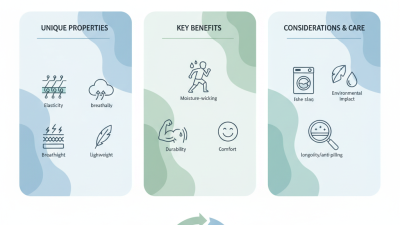
Elastic spandex fabric stands out for its incredible versatility in activewear. This material is known for exceptional stretchability, allowing it to move with the body seamlessly. Whether during yoga sessions or high-intensity workouts, athletes appreciate its flexibility. Spandex provides a snug fit, enhancing comfort and support.
In addition to flexibility, spandex fabric is also lightweight. This feature ensures that clothing does not weigh the wearer down. The moisture-wicking properties of elastic spandex are another advantage. It draws sweat away from the skin. This keeps wearers dry and focused, even during the most intense activities.
However, it’s important to consider the longevity of spandex garments. Over time, repeated stretching can sometimes lead to a loss of elasticity. Regular care and proper storage can mitigate this issue. Choosing the right blend with other materials may also enhance durability. Each athlete should reflect on their specific needs when selecting spandex for their wardrobe.
Why Choose Elastic Spandex Fabric for Your Activewear and Apparel Needs? - Benefits of Elastic Spandex Fabric in Activewear Performance
| Feature |
Description |
Benefits |
| Stretchability |
Elastic spandex fabric offers excellent stretch and recovery. |
Allows for a full range of motion during workouts and activities. |
| Moisture-Wicking |
Draws moisture away from the skin to keep you dry. |
Enhances comfort and performance during intense workouts. |
| Durability |
Resists wear and tear, maintaining its shape over time. |
Long-lasting apparel suitable for regular use. |
| Breathability |
Allows air to circulate, enhancing comfort. |
Keeps the body cool during high-intensity activities. |
| Versatility |
Suitable for various types of activewear including leggings, tops, and sports bras. |
Ideal for different sports and activities, from yoga to running. |
Comparative Analysis: Spandex vs. Traditional Fabrics in Athletic Use
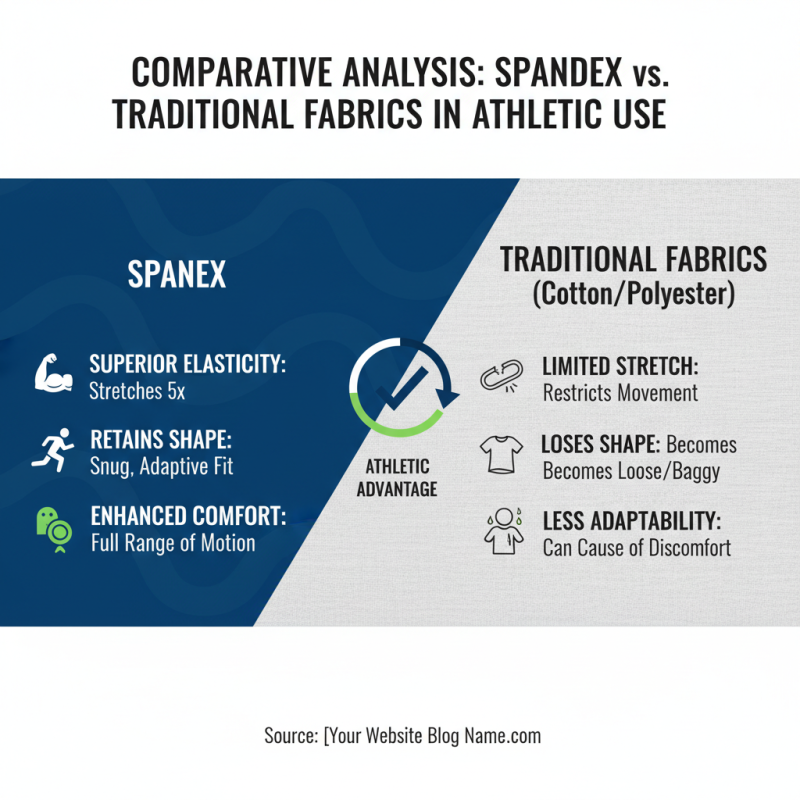
When comparing spandex to traditional fabrics like cotton or polyester, spandex stands out. It offers superior elasticity, allowing garments to stretch without losing shape. This feature is crucial for activewear, where movement is key. Spandex can stretch up to five times its original size, ensuring a snug fit. This adaptability enhances comfort during workouts.
Traditional fabrics often lack this flexibility. Cotton absorbs moisture, which can lead to discomfort during intense workouts. Polyester is durable but may not provide the same level of stretch. Athletes might find themselves constrained by these materials. In contrast, spandex moves seamlessly with the body, reducing distractions.
However, not all spandex is created equal. It may not always be breathable. Overheating can be an issue during high-intensity activities. Some users might find they need to balance spandex blends with other fabrics. Finding the right combination can be a trial and error process. Evaluating personal comfort and performance needs is essential in choosing the right fabric.
Industry Trends: Rising Demand for Stretch Fabrics in Apparel
The activewear industry is evolving, with a notable rise in demand for stretch fabrics. Elastic spandex has emerged as a popular choice due to its unique properties. This fabric molds to the body, allowing for ease of movement. Athletes and fitness enthusiasts appreciate how it enhances performance.
Recent trends indicate that consumers seek clothing that combines comfort and style. Stretch fabrics meet these needs efficiently. They provide support without restricting motion. However, not all spandex is the same. The level of durability and breathability varies significantly. Choosing the right fabric can require careful consideration, as not every option will perform alike.
In today’s market, there is pressure to balance quality with cost. Some manufacturers prioritize cheaper options, sacrificing longevity and comfort. This can lead to dissatisfaction among end-users. It’s crucial to reflect on what matters most: performance, durability, or style. Activewear should empower the wearer, enhancing their experience in every setting.
Impact of Spandex on Comfort and Mobility in Sports Clothing
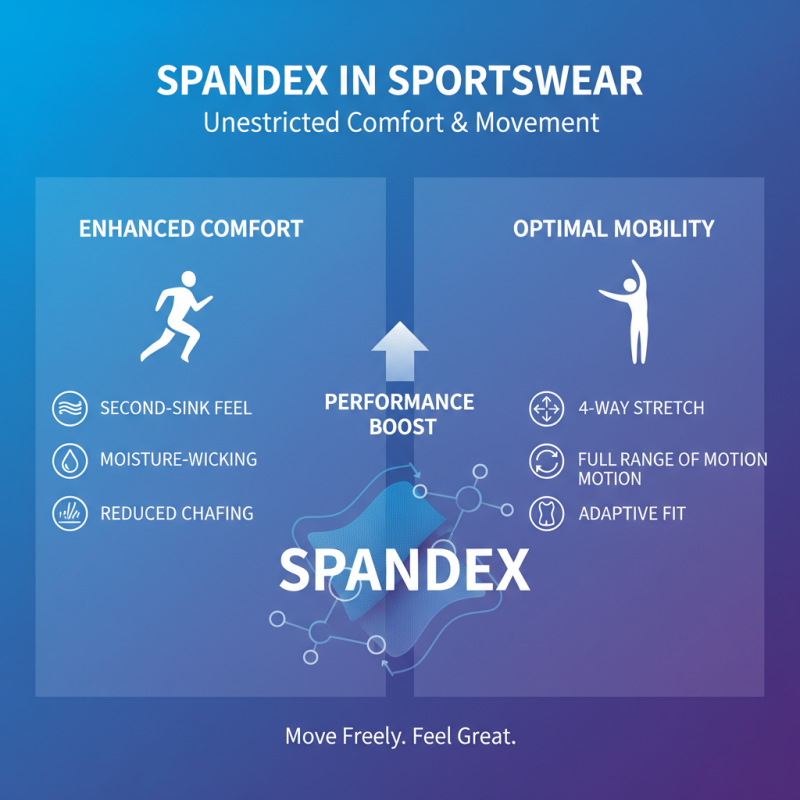
When it comes to activewear, comfort and mobility are key factors. Elastic spandex fabric plays a crucial role in enhancing these elements. This fabric stretches easily, allowing for a full range of motion. Whether you’re running, stretching, or lifting weights, spandex adapts to your body's movements. This flexibility supports various athletic activities without restriction, providing a second-skin feel.
Additionally, spandex offers breathability and moisture-wicking capabilities. These properties keep you cool and dry during intense workouts. Sweating becomes less of a discomfort when your clothing actively works to manage moisture. However, it's worth noting that not all spandex is created equal. Some fabrics may lose elasticity over time, leading to sagging and decreased performance. Always consider the quality of the material when selecting activewear.
The right fit and feel can impact your overall performance. If activewear fits poorly, it can hinder your ability to move freely. Spending time to find the ideal combination of comfort and stretch is essential. While spandex is a reliable choice, be open to experimenting with different blends. Ultimately, the goal is to create an activewear wardrobe that not only feels good but also boosts your confidence in any setting.
Sustainability Considerations in Sourcing Elastic Spandex Fabrics
When considering activewear, the choice of fabric is vital. Elastic spandex offers unique benefits, but sustainability is often overlooked in its sourcing. A significant concern is that conventional production methods can lead to high environmental costs. In fact, a report from the World Economic Forum highlighted that nearly 20% of global wastewater comes from the textile industry. It's crucial to evaluate the entire lifecycle of spandex, from raw material sourcing to manufacturing processes.
Recycled spandex options are emerging as viable alternatives. These fabrics can reduce resource consumption by up to 50%. Choosing suppliers who prioritize sustainable practices is essential. However, not all recycled spandex is created equal. Transparency in sourcing is often lacking, leaving consumers in the dark about the actual benefits they gain. Buyers should seek certifications proving a fabric's environmental integrity.
Moreover, the energy consumption during production should also be a concern. The production of spandex can involve significant energy use, contributing to a garment’s carbon footprint. Investigating the energy policies of manufacturers can help mitigate negative impacts. While elastic spandex is favored for its stretch and comfort, its environmental implications necessitate careful consideration. Adopting sustainable practices in sourcing can foster a healthier planet while meeting activewear demands.
Environmental Impact of Different Fabric Types for Activewear