What is Recycled Pet Fabric and Why is it Important in 2026?
Recycled Pet Fabric is transforming the textile industry as we move into 2026. Experts like Dr. Lisa Monroe, a leading researcher in sustainable fabrics, emphasize its importance. She states, "Recycled PET fabric holds the key to a greener future."
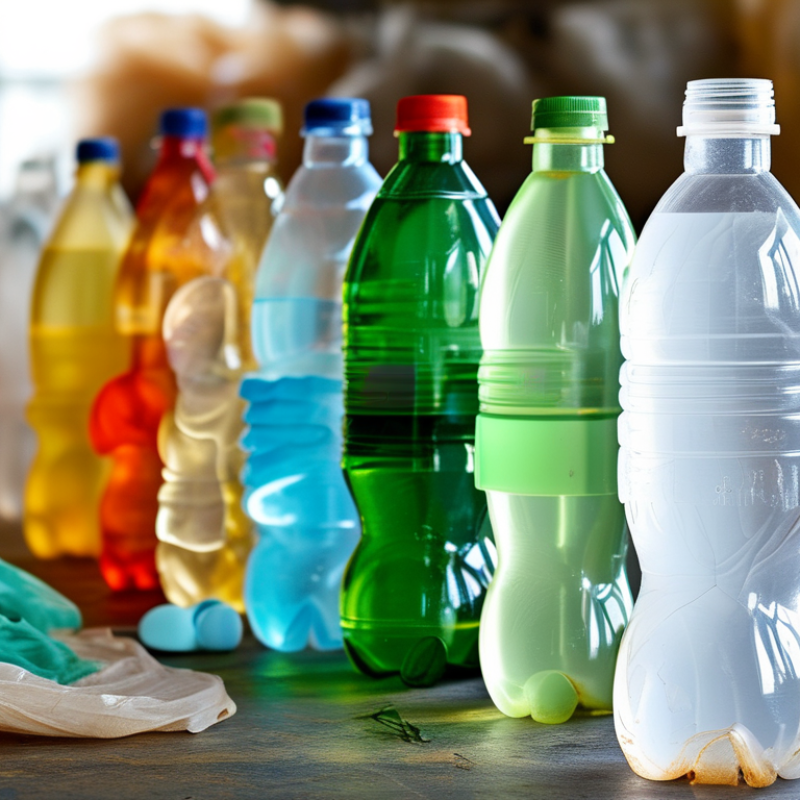
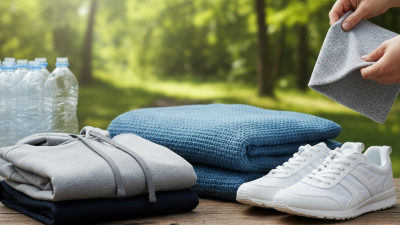
This innovative material is made from recycled plastic bottles, reducing waste and conserving resources. In a world where plastic pollution is rampant, adopting Recycled Pet Fabric is a crucial approach. It not only repurposes plastic but also creates durable, high-quality textiles.
However, not everything about Recycled Pet Fabric is perfect. There are concerns regarding the quality and longevity of these fabrics compared to traditional materials. The industry must strive for better standards while promoting eco-friendly practices. Overall, Recycled Pet Fabric represents both a challenge and an opportunity for sustainable fashion in 2026.
What is Recycled PET Fabric: Definition and Composition
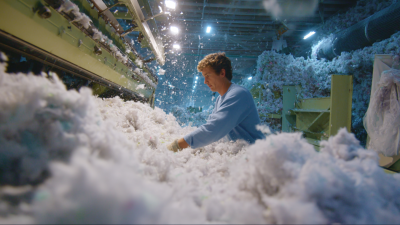
Recycled PET fabric, often referred to as rPET fabric, is derived from post-consumer plastic bottles and containers. This innovative material undergoes a rigorous recycling process that involves collection, sorting, and shredding. Once the plastic is transformed into small flakes, it is then melted and spun into fibers. According to the Global Recycling Foundation, over 9 million tons of plastic enter the oceans annually, making the recycling of PET vital for environmental health.
In 2026, the significance of rPET fabric is paramount. Industry reports suggest that recycled PET could reduce carbon emissions by up to 70% compared to virgin polyester production. This shift not only aids in waste reduction but also conserves energy, utilizing less than half the energy of traditional fabric processes. As consumers become increasingly eco-conscious, the demand for sustainable materials like rPET continues to rise.
Despite these advancements, challenges remain. The quality of recycled fibers can sometimes fall short of expectations, leading to durability issues in finished products. Additionally, the recycling process can be resource-intensive. Balancing efficiency and environmental responsibility is an ongoing challenge for manufacturers in the textile industry. However, the potential benefits of recycled PET fabric offer a hopeful solution in the fight against plastic pollution.
The Process of Recycling PET: Steps and Techniques
Recycling PET fabric involves several essential steps and techniques that contribute to sustainability. PET, or polyethylene terephthalate, is derived from plastic bottles and containers. The recycling process begins with collection and sorting, where used PET materials are gathered and categorized. According to the National Association for PET Container Resources, about 29% of PET bottles were recycled in the U.S. in 2021, highlighting the need for improved initiatives.
Once sorted, the PET is cleaned to remove contaminants. This usually involves washing and shredding the plastic into small flakes. Heat is then applied, allowing it to be melted down. The recycling process can produce high-quality fibers suitable for textiles. Some industry reports suggest that around 50% of PET used in fabrics could be recycled materials by 2026, addressing environmental concerns.
It's important to consider the challenges in recycling. Contamination can lead to lower quality materials. The technology used in recycling can vary, affecting the overall efficiency.
Tips: To enhance recycling efforts, consumers can clean containers before disposal. This small step can significantly improve the quality of recycled PET. Supporting local recycling programs is crucial, as they play a pivotal role in achieving higher recycling rates. Regularly checking for recycling opportunities in the community helps in increasing awareness and participation.
Recycled PET Fabric Usage by Sector in 2026
Environmental Benefits of Using Recycled PET Fabric
Recycled PET fabric, derived from used plastic bottles, plays a crucial role in environmental sustainability. In 2026, it is projected that the use of recycled PET will prevent approximately 7 million tons of plastic waste from ending up in landfills. This shift not only saves energy but also reduces carbon emissions. Industries are increasingly adopting recycled materials, creating a demand that influences positive change.
Using recycled PET fabric has significant environmental benefits. According to studies, creating fabric from recycled materials consumes up to 60% less energy compared to virgin PET production. This reduction in energy consumption leads to fewer greenhouse gas emissions. It's estimated that every kg of recycled PET saves about 1.5 kg of CO2 emissions, highlighting the importance of recycling initiatives.
However, challenges persist. The quality of recycled materials can sometimes be inconsistent. This inconsistency makes it difficult for manufacturers to achieve the same performance as virgin fabrics. There's also the issue of recycling rates, with only about 20% of PET bottles being recycled globally. Addressing these concerns is vital for improving recycling efficiency and ensuring a cleaner planet. The potential benefits of recycled PET fabric are vast, but progress requires ongoing commitment and innovation within the industry.
Applications of Recycled PET Fabric in Various Industries
Recycled PET fabric, made from post-consumer plastic bottles, is gaining traction across various industries. Reportedly, it can reduce greenhouse gas emissions by up to 70% compared to virgin polyester. The fashion industry has embraced this material, using recycled PET in clothing and accessories. In fact, around 60% of global fashion brands are now incorporating recycled materials into their production processes.
In the automotive sector, recycled PET is being utilized for interior components, such as seat covers and insulation. This shift not only promotes sustainability but also enhances the durability of these components. A notable study revealed that using recycled materials could save manufacturers approximately $1.5 billion annually.
Tips: When choosing products made from recycled PET, look for certifications. These ensure the fabric meets environmental standards. Avoid items with vague labels. Instead, focus on those with specific recycled content percentages. This enhances trust in the sustainability claims.
Another area of growth is home textiles. Manufacturers are producing carpets and upholstery from recycled PET. Such applications showcase the versatility and effectiveness of this fabric. However, challenges remain, such as the need for a consistent quality supply. Addressing these issues will be crucial for wider adoption.
Future Trends and Innovations in Recycled PET Fabric by 2026
Recycled PET fabric represents a significant shift in textile innovation by 2026. It uses post-consumer plastic bottles, transforming waste into valuable materials. This process not only conserves resources but also cuts down on pollution. As sustainability becomes a core value for consumers, the demand for recycled fabrics is rising.
Future trends indicate a growing focus on enhancing the quality of recycled PET fabric. Innovations may include advanced recycling technologies. These methods could improve durability and comfort, catering to various industries, from fashion to home textiles. Additionally, brands are likely to launch more sustainable practices. However, challenges remain. The recycling process can sometimes compromise fabric integrity. Addressing these issues is crucial for long-term adoption.
Consumer awareness plays a vital role in this evolution. Increased education about the environmental impact of plastic waste might influence buying decisions. While many will appreciate the benefits, some may hesitate. Balancing cost and sustainability remains a concern for manufacturers. Understanding these dynamics will shape the future of recycled PET fabric significantly.
What is Recycled Pet Fabric and Why is it Important in 2026? - Future Trends and Innovations in Recycled PET Fabric by 2026
| Attribute |
Description |
Importance in 2026 |
| Material Source |
Derived from post-consumer PET bottles and containers. |
Reduces plastic waste and reliance on virgin materials. |
| Environmental Impact |
Lower carbon footprint compared to conventional fabrics. |
Crucial for meeting global sustainability goals. |
| Market Growth |
Increasing demand in fashion and textile industries. |
Projected growth of 20% annually by 2026. |
| Innovation |
Advancements in recycling technology improving quality. |
Essential for enhancing product performance and versatility. |
| Consumer Awareness |
Growing interest in sustainable and eco-friendly products. |
Critical for driving demand and corporate responsibility. |