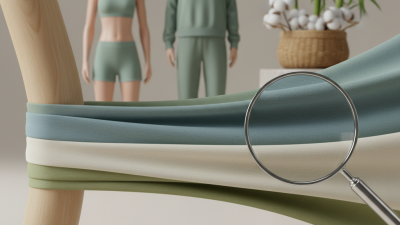
Why Choose Stretchable Polyester Fabric for Your Projects?
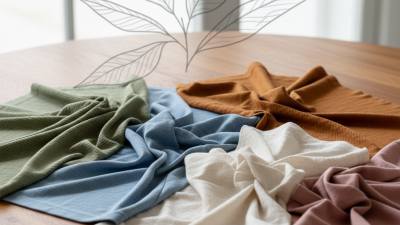
When considering materials for your next project, Stretchable Polyester Fabric stands out for its versatility and durability. Expert fashion designer Lisa Tran states, "Stretchable Polyester Fabric adapts beautifully to various designs while providing comfort." This fabric not only stretches but also returns to its original shape, making it ideal for activewear and casual clothing.
This fabric's unique properties allow for a wide range of creative applications. Designers appreciate its ability to fit a variety of body types, thus promoting inclusivity. However, not all Stretchable Polyester Fabrics are created equal. Some may lack the right blend of elasticity and strength. It's essential to choose high-quality options that meet your specific needs.
In a world where fashion meets functionality, Stretchable Polyester Fabric often shines. Nevertheless, it requires careful consideration regarding its environmental impact. As the industry evolves, choosing the right fabric may become a complex decision. Balancing quality, sustainability, and design is crucial for future projects.
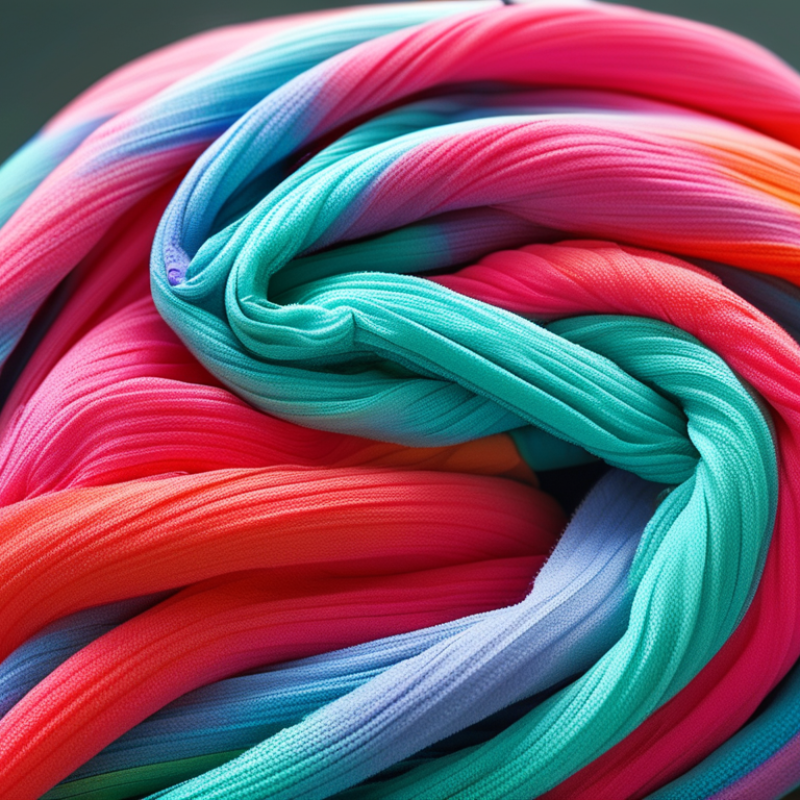
Benefits of Stretchable Polyester Fabric in Various Applications
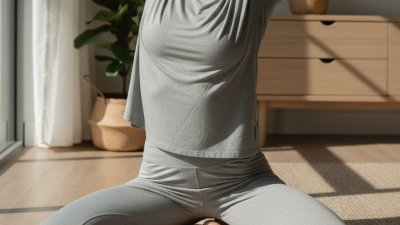
Stretchable polyester fabric has become a favorite in various applications. Its unique properties make it advantageous in clothing, home décor, and even industrial uses. This fabric combines flexibility with durability, catering to the needs of diverse projects. The stretchability allows for freedom of movement, which is vital in sportswear and active fashion.
In clothing, stretchable polyester enhances comfort significantly. It fits well while allowing the body to breathe. This fabric maintains its shape, even after multiple wears. For home décor, its resilience stands out. Curtains and upholstery made from this material are easy to clean and maintain. They resist wrinkles and fading, ensuring longevity.
**Tip:** When selecting stretchable polyester, consider the percentage of stretch. A higher stretch yield increases mobility but may reduce durability.
Furthermore, the versatility extends to industrial applications. Stretchable polyester is often used in protective gear and uniforms. It adapts to various body shapes, promoting safety without compromising comfort. However, not all stretchable fabrics are created equal. Some may lack the required breathability or moisture-wicking capabilities.
**Tip:** Always request samples before making a bulk order. This step helps you test the fabric’s performance in your specific setting.
Why Choose Stretchable Polyester Fabric for Your Projects? - Benefits of Stretchable Polyester Fabric in Various Applications
| Application |
Benefits |
Specifications |
| Activewear |
Enhanced flexibility and comfort during movement |
95% Polyester, 5% Spandex, 4-way stretch |
| Fashion Apparel |
Stylish designs with a flattering fit |
Lightweight, breathable, wrinkle-resistant |
| Home Textiles |
Durable and easy to maintain for cushions and curtains |
Machine washable, colorfast |
| Medical Textiles |
Comfortable and flexible for medical applications |
Antimicrobial options available |
| Sports Gear |
Moisture-wicking properties for performance enhancement |
High stretch recovery, UV resistant |
Understanding the Properties of Stretchable Polyester Fabric
Stretchable polyester fabric
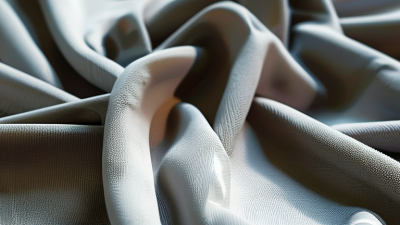
is gaining popularity due to its unique properties. This fabric boasts excellent elasticity, making it ideal for various projects. Reports indicate that polyester retains its shape and size well, even after repeated stretching. Its ability to recover quickly minimizes wear and tear, a valuable feature for activewear and everyday garments.
Additionally, stretchable polyester resists wrinkles and moisture. This moisture-wicking property is beneficial for athletic clothing. Research shows that fabrics with moisture management can improve comfort during physical activities. In environments where sweat accumulates, this feature is crucial. Surprisingly, however, not all stretchable polyester offers the same level of breathability. Some may retain heat, which can be uncomfortable.
Another important aspect is durability. Stretchable polyester tends to withstand fading and wear over time. This resilience makes it suitable for projects requiring longevity, like upholstery or outerwear. However, its environmental impact is a growing concern. Recycling polyester presents challenges, and many options on the market are not sustainably sourced, raising questions about their long-term effects.
Comparing Stretchable Polyester with Other Fabric Types
When considering various fabric types, stretchable polyester stands out due to its unique properties. Compared to cotton, stretchable polyester offers superior elasticity and durability. It can withstand wear and tear without losing its shape. Many users appreciate its moisture-wicking abilities, which keep wearers comfortable during physical activities. However, some might find it less breathable than natural fibers. This can be an important factor in climates with high humidity.
In contrast to nylon, stretchable polyester is more affordable yet provides similar stretch characteristics. Nylon is often softer, but polyester is generally easier to care for. It resists wrinkles and drying times are shorter. Users can expect it to retain color longer when exposed to sunlight. Nonetheless, some people might prefer the feel of nylon against their skin, particularly for active wear. Each fabric has strengths and weaknesses, which requires careful consideration based on specific needs.
Choosing the right fabric ultimately depends on the project's requirements. Stretchable polyester is a reliable choice for various applications, but assessing other fabrics is essential. Each has its unique features and drawbacks. Reflecting on these differences helps craft tailored solutions that meet expectations.
Why Choose Stretchable Polyester Fabric for Your Projects?
This chart compares the stretchability, durability, breathability, and cost-effectiveness of stretchable polyester fabric with other common fabric types.
Common Uses and Industries for Stretchable Polyester Fabric
Stretchable polyester fabric has gained significant traction in various industries due to its versatility and durability. The textile industry reports that this fabric is increasingly popular in activewear and athleisure segments. Activewear made from stretchable polyester not only offers comfort but also enhances mobility. In fact, a survey conducted by the Textile Research Journal found that 70% of consumers prefer stretchable fabrics for sports clothing due to their elasticity and moisture-wicking properties.
Beyond fashion, stretchable polyester is valuable in the medical field as well. Hospitals use it for surgical scrubs and patient gowns. A report from the Journal of Biomedical Materials Research noted that the stretchability of polyester allows for better movement during procedures. This can lead to improved outcomes in patient care as medical staff can perform tasks without restrictions.
Additionally, the automotive industry utilizes this material for upholstery. Data from the Automotive Textile Association indicated a 25% increase in demand for fabric that offers both stretch and resilience. These specifications not only enhance the driving experience but also improve vehicle aesthetics. However, the industry faces challenges in maintaining sustainability within manufacturing processes. As production scales up, the impact on the environment requires careful monitoring.
Tips for Working with Stretchable Polyester in Projects
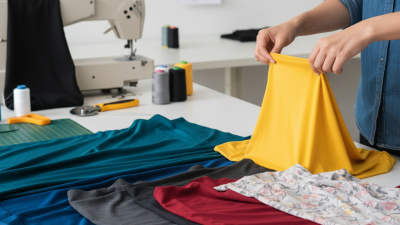
When working with stretchable polyester fabric, it's essential to focus on a few key techniques. This fabric is known for its elasticity, making it ideal for various projects, from activewear to home decor. According to a report by Textile World, the global demand for stretchable materials is projected to increase by 5% annually. This trend highlights the need for innovative approaches in sewing and cutting techniques.
One critical tip is to use a ballpoint needle. This can minimize fabric snags and ensure smoother stitching. Additionally, selecting the right thread is crucial for maintaining elasticity. A polyester thread allows for better stretch and durability. Industry standards suggest using a seam allowance of at least 1/4 inch to prevent fraying. Many novice sewers often underestimate the benefits of proper pre-washing, yet this step helps in achieving accurate measurements and reduces shrinkage.
Be mindful of the fabric's behavior. Sometimes, stretchable polyester can shift while cutting. This can result in uneven pieces. Always use weights to hold the fabric in place. Taking extra steps—like pinning or basting—can help prevent costly mistakes. Embrace these practices to enhance your projects and achieve better results.