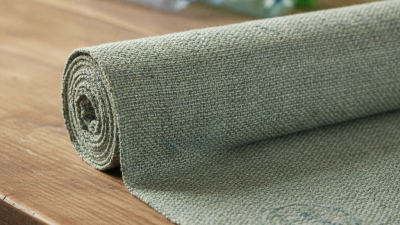
Top 10 Benefits of Recycled Pet Fabric for Global Buyers?
The increasing demand for sustainable materials has brought "Recycled Pet Fabric" into the spotlight. Industry expert Dr. Emily Tran states, "Recycled Pet Fabric is not just eco-friendly; it offers unique benefits that appeal to global buyers." As consumers become more aware of environmental issues, the allure of products made from recycled materials grows.
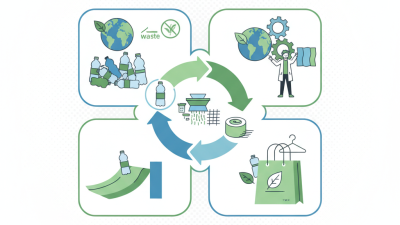
This innovative fabric, derived from post-consumer plastic bottles, exemplifies sustainability. Its production significantly reduces waste and conserves energy, making it an attractive choice for manufacturers and consumers alike. Buyers appreciate the durability and versatility of Recycled Pet Fabric, which can be used in various applications, from fashion to home textiles.
Yet, the journey isn't flawless. The supply chain for Recycled Pet Fabric can be complex, and not all manufacturers uphold high standards. This inconsistency calls for careful selection in sourcing. Nevertheless, the benefits are substantial, paving the way for a greener future in the fabric industry.

Benefits of Recycled Pet Fabric in Reducing Waste in Landfills
Recycled PET fabric is a game changer in waste management. It reduces the number of plastic bottles in landfills. Every year, millions of tons of plastic waste are generated. A significant portion ends up in landfills, contributing to environmental issues.
Recycled PET fabric utilizes this waste, transforming it into a useful product. This shift helps to decrease the volume of plastic in our environment.
Using recycled PET fabric means fewer resources are consumed in production. Traditional fabric production relies heavily on virgin materials. This process often leads to more waste and pollution.
By turning waste into textiles, we minimize harmful emissions and water use. Consumers also benefit from items made from recycled materials. These products are often durable and cost-effective.
However, the recycling process is not perfect. Some contamination can occur, impacting the quality of the end product. Additionally, the market for recycled materials can fluctuate. It requires ongoing commitment from both producers and consumers to improve this process.
The potential for reducing landfill waste remains significant, but challenges must be addressed.
Cost-Effectiveness of Recycled Pet Fabric vs. Virgin Polyester Materials
Recycled PET fabric offers significant cost advantages compared to virgin polyester. Industry data suggests that recycled PET typically costs around 20-30% less than virgin materials. This is due to lower production costs associated with recycling processes. Companies can save money on raw materials by using recycled sources, reducing overall operational expenses.
Moreover, prices of virgin polyester can fluctuate greatly based on oil prices. In contrast, recycled materials provide price stability. A study from the Textile Exchange reported that using recycled fibers could lead to savings of approximately $5 billion in the global textile industry. These savings are not just in material costs but also in energy consumption and waste reduction.
However, challenges remain. The quality of recycled PET can vary, affecting product perception among consumers. Some manufacturers report inconsistencies in texture and durability. This unpredictability can deter some buyers. Ensuring consistent quality requires investment in advanced recycling technologies and quality control measures. It’s essential for stakeholders to address these quality concerns for wider market acceptance.
Environmental Impact: Reducing Carbon Footprint with Recycled PET
Recycled PET fabric significantly reduces the carbon footprint associated with textile manufacturing. According to a report by the World Wildlife Fund, using recycled PET can save up to 60% of the carbon emissions compared to virgin polyester production. This represents a substantial reduction, considering that producing a ton of virgin polyester emits around 3.7 tons of CO2.
Transitioning to recycled PET also conserves energy. A study from the National Renewable Energy Laboratory indicates that recycling one kilogram of PET saves approximately 1.5 kilograms of CO2 emissions. This energy efficiency contributes to sustainability, as the production process of recycled materials requires less energy than that of new materials. Furthermore, utilizing recycled PET helps to decrease the demand for petrochemicals, which are linked to greenhouse gas emissions and environmental degradation.
However, challenges remain. The quality of recycled fiber can vary, leading to inconsistencies in final products. Additionally, the collection and recycling process must be efficient to make a significant impact. The recycling rate for PET bottles in some regions is still below 30%. Addressing these challenges is crucial. With ongoing advancements in recycling technology and increased consumer awareness, there is potential for broader adoption of recycled PET fabrics across industries.
Quality and Durability of Recycled Pet Fabric Compared to Traditional Fabrics
Recycled PET fabric has gained traction in various industries due to its exceptional quality and durability. According to a report from the Environmental Protection Agency (EPA), using recycled materials can significantly reduce energy consumption—by up to 80% compared to virgin fibers. This remarkable statistic showcases recycled PET as a sustainable choice that does not compromise on performance.
When comparing recycled PET to traditional fabrics, the resilience of the former stands out. Studies indicate that recycled PET retains the same tensile strength as conventional polyester, making it suitable for a wide range of applications, from clothing to upholstery. It can withstand regular wear and tear, even in challenging environments.
However, the journey to perfecting recycled PET fabric is not without challenges. Not all recycled materials are equal; quality can vary based on sources and processing. Contaminants in recycled feedstock can affect the overall fabric performance. Therefore, consistent quality control in recycling processes is vital. Buyers must also acknowledge the ongoing need for advancements in recycling technologies to ensure high-quality outputs. This reflects a broader movement towards sustainability, which still requires market education and innovation.
Top 10 Benefits of Recycled Pet Fabric for Global Buyers
| Benefit |
Description |
Comparison to Traditional Fabrics |
| Sustainability |
Recycled PET fabrics reduce plastic waste in landfills. |
Traditional fabrics often rely on virgin materials, increasing waste. |
| Durability |
Recycled PET is known for its strength and longevity. |
Some traditional fabrics can be less durable over time. |
| Cost-Effectiveness |
Often cheaper due to lower raw material expenses. |
Traditional options can be expensive due to high cotton prices. |
| Water Conservation |
Produces with significantly less water than cotton. |
Cotton cultivation uses large amounts of water. |
| Versatility |
Can be used in various applications beyond clothing. |
Traditional fabrics are often limited to specific uses. |
| UV Resistance |
Recycled PET fabrics have good UV resistance. |
Some traditional fabrics may fade with sun exposure. |
| Lightweight |
Recycled PET is generally lighter than many traditional fabrics. |
Heavier traditional fabrics can be cumbersome. |
| Breathability |
Modern technology allows for breathable designs. |
Some traditional fabrics may not be as breathable. |
| Color Retention |
Holds colors well without fading. |
Can lose vibrant colors over time in traditional fabrics. |
| Recyclability |
Can be recycled again into new fabrics. |
Traditional fabrics like cotton usually don’t have the same recycling potential. |
Market Trends: Growing Demand for Sustainable Fabrics Among Consumers
As consumers become more eco-conscious, the demand for sustainable fabrics is rising. According to a recent industry report, the global market for recycled PET fabric is expected to exceed $5 billion by 2025. This shift in consumer preference is reshaping the textile industry, with buyers increasingly prioritizing environmentally friendly materials.
In 2023, a survey revealed that 73% of consumers are willing to pay more for sustainable products. This shows a significant trend towards understanding the environmental impact of textile production. Recycled PET fabric not only reduces plastic waste but also uses less water and energy compared to virgin materials. These aspects highlight a compelling case for integrating recycled materials into fashion and home textiles.
However, challenges remain. The recycling process needs refinement to enhance fabric quality. Recycled fibers often lack the durability of virgin fabrics. This raises questions about their long-term viability in competitive markets. Transparency in sourcing and processing is crucial. Buyers must seek information about the materials to make informed choices. Addressing these challenges will define the future of recycled PET fabrics in a growing market that is evolving rapidly.