What Is Natural Stretch Fabric and Its Benefits for Buyers?
Natural stretch fabric is gaining significant traction in the textile industry. Reports indicate that the global stretch fabric market is expected to grow by 5.2% annually through 2025. This growth reflects increasing consumer demand for comfort and flexibility in clothing. Natural stretch fabric, known for its breathability and eco-friendly properties, plays a pivotal role in this trend.
This fabric is made from organic materials, allowing for greater elasticity without synthetic additives. It offers a unique blend of comfort and durability, providing a perfect fit for various body types. Many buyers appreciate the sustainability factor, as it aligns with the growing demand for environmentally friendly products. Statistics show over 70% of consumers prioritize sustainable fabrics when making purchasing decisions.
However, while natural stretch fabric offers numerous benefits, there are challenges. The production costs can be higher, which may lead to increased retail prices. Additionally, sourcing high-quality organic materials poses a difficulty in maintaining standards. Consumers must weigh these factors when considering their purchases. The dialogue around natural stretch fabric continues to evolve as industry standards shift and consumer preferences grow.
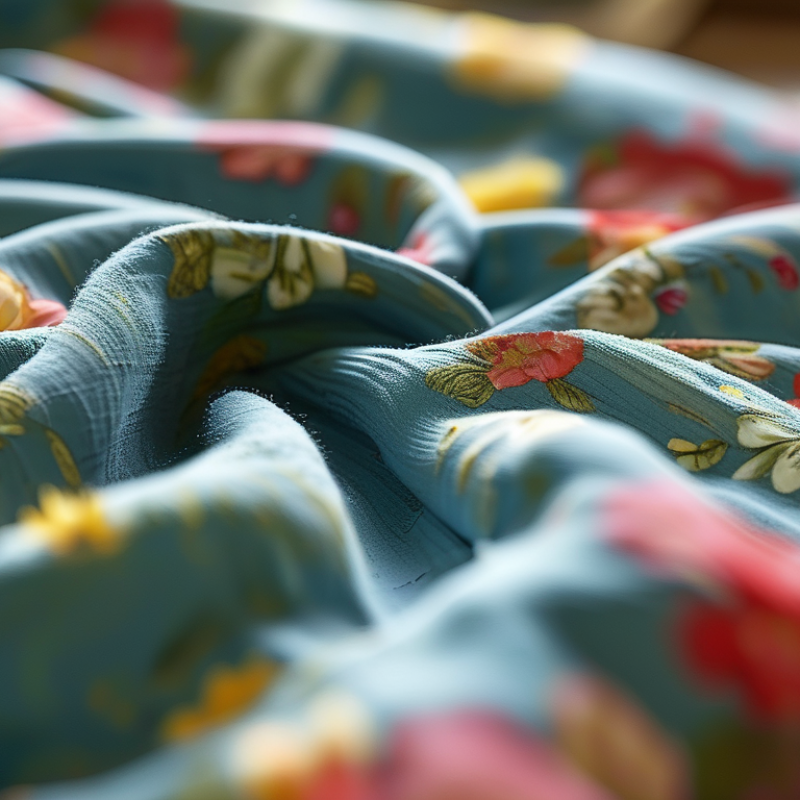
Definition and Characteristics of Natural Stretch Fabric
Natural stretch fabric is a blend of fibers designed to offer enhanced flexibility and comfort. This type of fabric typically includes materials like cotton and other natural fibers, which allow it to stretch without the use of synthetic elastics. According to a report by the Textile Exchange, the demand for natural stretch fabrics is increasing, as consumers are seeking eco-friendly options that still provide comfort and durability.
The characteristics of natural stretch fabrics make them appealing to buyers. They maintain breathability, making them ideal for various climates. A study by Transparency Market Research highlights that 70% of consumers prioritize comfort in their clothing choices. Fabrics that stretch naturally can adapt to body movements, enhancing wearability throughout the day. However, some natural stretch fabrics may lose their shape over time, requiring careful maintenance and possibly limiting longevity.
The market for natural stretch fabric is growing steadily. Research indicates a shift in consumer preferences towards sustainable fashion. However, buyers should be aware that not all natural stretch fabrics are created equal. Variances in manufacturing processes can affect quality. It’s important for consumers to research and evaluate options based on durability and comfort to make informed decisions.
Common Materials Used in Natural Stretch Fabrics
Natural stretch fabrics have gained popularity in recent years. These materials provide comfort and flexibility in clothing. They are made from various natural fibers. This includes cotton, linen, and bamboo, among others. Each material brings unique qualities to the table.
Cotton is one of the most common natural fibers used. It is known for its breathability and softness. According to a 2021 industry report, cotton's market share in stretch fabrics is about 45%. Linen, derived from flax plants, is another great choice. Its moisture-wicking properties make it ideal for warm climates. Bamboo, a rapidly renewable resource, is also emerging. It boasts antibacterial qualities and excellent stretchability.
However, there are challenges with natural stretch fabrics. The durability of some materials can be an issue. For instance, pure cotton may lose its shape over time. Additionally, not all consumers are aware of proper care techniques. This often leads to premature wear and tear. Selecting fabrics with a blend of natural and synthetic fibers can enhance strength while maintaining comfort. Understanding these factors helps buyers make informed choices.
What Is Natural Stretch Fabric and Its Benefits for Buyers? - Common Materials Used in Natural Stretch Fabrics
| Material |
Stretch Ability |
Comfort Level |
Breathability |
Common Uses |
| Cotton |
Moderate |
High |
Good |
T-Shirts, Casual Wear |
| Linen |
Low |
Moderate |
Excellent |
Summer Wear, Formal Attire |
| Bamboo |
High |
Very High |
Good |
Athletic Wear, Underwear |
| Wool |
Moderate |
High |
Good |
Sweaters, Outerwear |
| Tencel (Lyocell) |
High |
Very High |
Excellent |
Dresses, Activewear |
Key Benefits of Natural Stretch Fabric for Consumers
Natural stretch fabric is gaining traction among consumers seeking comfort and flexibility. One of its main benefits is breathability. Reports show that natural fibers, such as cotton or bamboo, enhance airflow, keeping you cooler. This is particularly advantageous during warmer months.
In addition to comfort, natural stretch fabric offers excellent recovery, ensuring garments maintain their shape after wear. This aspect is vital to buyers looking for long-lasting clothing options.
Another significant benefit is the environmental impact. According to industry data, natural fibers have a lower carbon footprint compared to synthetic alternatives. They decompose faster and reduce waste. This makes them a preferred choice for eco-conscious consumers. Furthermore, natural stretch fabrics are often hypoallergenic, making them safer for sensitive skin.
Tips: When choosing natural stretch fabrics, check for certifications like
OEKO-TEX. This ensures your purchase meets safety and environmental standards. Consider mixing these items with your wardrobe staples for greater versatility. Remember to read care instructions for longevity. Selecting garments that fit well can enhance your overall experience with natural stretch fabrics.
Comparative Analysis with Synthetic Stretch Fabrics
Natural stretch fabrics have gained traction due to their benefits. They offer comfort, breathability, and elasticity. A comparative analysis highlights significant differences between natural and synthetic stretch fabrics. Synthetic materials, while often cheaper, can lack the softness and moisture-wicking properties of their natural counterparts.
According to a report by the Textile Exchange, natural fibers such as cotton and bamboo exhibit excellent stretch and recovery properties. These materials are more biodegradable than synthetic options, which can take decades to decompose. The report also notes that natural stretch fabrics can lead to lower skin irritation, a crucial factor for sensitive individuals.
Synthetic stretch fabrics often incorporate elastane or polyester, providing durability and resilience. However, these materials may cause discomfort over time. Studies indicate that natural fibers can minimize static cling and improve overall wearability. Many buyers prioritize sustainability and comfort in their choices. Natural stretch fabrics align well with these values, despite potential higher costs.
Care and Maintenance Tips for Natural Stretch Fabric Items
Caring for natural stretch fabric requires a bit of knowledge. Washing these items properly helps maintain their elasticity. Use cold water and a mild detergent to avoid damaging the fibers. Avoid bleach, as it weakens the fabric. Line drying is preferable to machine drying, which can cause shrinkage.
Store these clothing pieces away from direct sunlight. This prevents fading and keeps the colors vibrant. Folding is better than hanging, as it avoids stretching out the fabric over time. Periodically check for any signs of wear. Small repairs can prolong the life of your favorite garments.
Always remember, not every fabric is created equal. Some natural stretch materials may require special care. Test an inconspicuous area first before applying any cleaning solution or method. It’s better to be cautious than to damage the fabric. Reflect on your maintenance choices often; they can dictate the longevity of your clothing.