10 Essential Tips for Choosing the Right Elastic Spandex Fabric
Choosing the right Elastic Spandex Fabric can be challenging. Experts in the field highlight the importance of making informed decisions. Dr. Emily Carter, a textile engineer, states, "The versatility of Elastic Spandex Fabric opens up endless possibilities for design and function."
Understanding the characteristics of Elastic Spandex Fabric is crucial for various applications. This fabric is not only stretchy but also retains its shape. It is widely used in activewear, swimwear, and fashion garments. Selecting the right type ensures comfort and durability. Each type can behave differently under various conditions.
However, many overlook essential aspects when making choices. Customers often prioritize cost over quality. This can lead to dissatisfaction later. Reflecting on your specific needs is vital. Quality fabric can enhance performance dramatically. Careful consideration can lead to better purchase decisions in the long run.
Understanding the Basics of Elastic Spandex Fabric
When selecting elastic spandex fabric, understanding its basics is crucial. Spandex is known for its exceptional elasticity. Reports from the American Fabric Association state that spandex can stretch over 500% without losing its shape. This makes it a preferred choice for activewear and swimwear. The material can return to its original size, which adds durability to garments.
Different blends of spandex can alter its characteristics. For instance, a mix with cotton offers breathability, while polyester blends enhance moisture-wicking properties. The right choice depends on the intended use. Yet, not all spandex is created equal. An ISO report highlights that varying manufacturing processes can impact strength and elasticity. Buyers must remain vigilant and consult specifications.
Another aspect to consider is the weight of the fabric. Lightweight spandex is great for layering, while heavier options provide more structure. However, heavier spandex might limit mobility. Finding the right balance is not straightforward. Ensure you test the fabric in real-life scenarios. It is essential to remember that no fabric is perfect; each option has drawbacks to consider.
10 Essential Tips for Choosing the Right Elastic Spandex Fabric
| Tip Number |
Tip Description |
Fabric Features |
Ideal Use Cases |
| 1 |
Check the Spandex Content |
High stretchability and recovery |
Activewear, performance gear |
| 2 |
Evaluate Fabric Weight |
Lightweight to heavyweight options |
Casual wear, layering |
| 3 |
Consider Breathability |
Moisture-wicking properties |
Sports, yoga |
| 4 |
Assess Stretch and Recovery |
4-way stretch for full movement |
Dancewear, gymnastics |
| 5 |
Look for Color Fastness |
Resistant to fading |
Everyday wear, swimwear |
| 6 |
Choose the Right Blend |
Blend with cotton or polyester |
Loungewear, casual outfits |
| 7 |
Test for Durability |
Long-lasting under stress |
Outdoor gear, cycling |
| 8 |
Check the Fabric Finish |
Smooth vs. textured surfaces |
Fashion apparel, lingerie |
| 9 |
Review Care Instructions |
Machine washable vs. hand wash |
All types of garments |
| 10 |
Seek Samples Before Purchase |
Test texture and suitability |
Evaluation for custom projects |
Evaluating Fabric Weight and Stretch for Your Needs
When it comes to selecting the right elastic spandex fabric, fabric weight and stretch are critical factors to evaluate.
Lightweight fabrics can be ideal for summer clothing, while heavier options are better suited for colder months.
It's important to understand that weight also affects the drape of the fabric. A heavier spandex will create a more structured garment, while a lighter option will flow more freely.
Stretch is another vital aspect to consider. Not all spandex offers the same degree of stretch.
Some may provide four-way stretch, which allows for greater flexibility.
Others might only stretch one way, which can limit movement. Your choice should reflect the intended use.
For activewear, high-stretch options will enhance comfort and mobility.
Always test the fabric by stretching it to see how it returns to its original shape.
When examining these fabrics, take time to reflect on your project's needs. Do not rush the decision process.
It's easy to overlook details that could impact how the finished product performs. Consider how the fabric feels against the skin and its durability after multiple washes.
These factors will ultimately define the fabric’s reliability and suitability for your specific requirements.
Identifying the Right Fiber Content for Durability and Comfort
When selecting the right elastic spandex fabric, understanding fiber content is crucial for durability and comfort. The blend of fibers can greatly influence performance. A high spandex content often leads to better stretch and recovery. However, too much stretch can compromise durability over time. Look for fabrics that balance spandex with other fibers like cotton or polyester for added strength.
Comfort is just as vital in your decision-making process. Fabrics with a softer hand feel often include a higher percentage of natural fibers. These can enhance breathability and moisture-wicking properties. However, natural fibers may lack the elasticity of synthetic materials. Recognizing this trade-off is essential. Sometimes, you might discover that a blend that felt perfect at first loses shape after a few washes.
Additionally, consider how the fabric performs during activities. Testing a sample can reveal if it meets your needs. Feel the texture and play with the stretch. Not every fabric will live up to expectations. Reflect on your experience with different blends to find what truly works for you.
Considering the Fabric Finish and Texture for Aesthetic Appeal
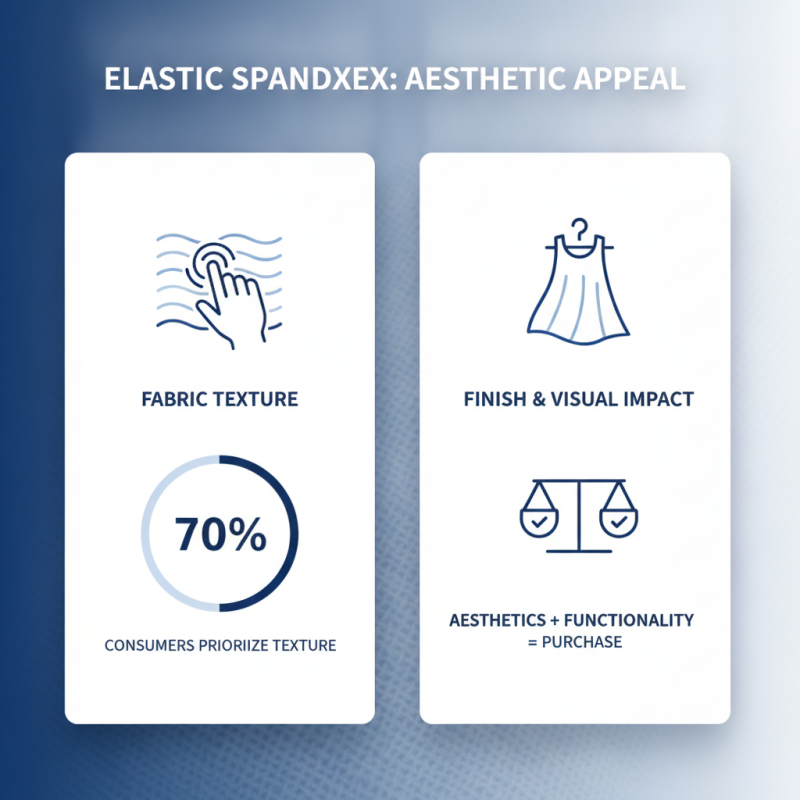
When selecting elastic spandex fabric, the finish and texture play crucial roles in its aesthetic appeal. The right texture enhances the garment's visual impact, and can influence how the fabric feels against the skin. According to a textile industry report, 70% of consumers consider fabric texture a critical factor in their purchase decisions. Hence, manufacturers must prioritize both aesthetics and functionality in their choices.
Fabric finishes, from matte to glossy, drastically affect how colors appear on garments. A matte finish can provide a subtle, elegant look. In contrast, a glossy finish tends to attract attention and can elevate style. Each finish offers unique advantages and can reflect brand identity. However, some finishes may lead to less breathability, impacting comfort. Understanding the balance between look and feel is essential for designers.
Moreover, the texture of the fabric can alter how it drapes and moves. A soft, brushed surface may offer a cozy feel but might wear out faster than other textures. Data indicates that 60% of spandex garments with textured finishes tend to show signs of wear after prolonged use. It’s vital to assess how texture will interact with the desired garment lifecycle. The choice of finish and texture demands careful consideration to meet consumer expectations and practical needs.
Assessing the Appropriate Use Cases for Different Spandex Blends
When selecting spandex blends for different applications, understanding their specific use cases is crucial. Many fabrics may appear similar, but their performance can vary widely. For example, a report from the Textile Research Journal indicates that nylon-spandex blends provide excellent durability and elasticity, making them ideal for activewear. This combination allows for freedom of movement during exercise while retaining shape.
Conversely, cotton-spandex blends offer breathability and comfort, perfect for casual clothing. However, they may not perform well in high-intensity situations. A study found that incorporating at least 10% spandex into cotton fabrics enhances stretchability, but optimal performance requires a careful balance. It is vital to consider fabric content and blend ratios.
Reflecting on fabric choices highlights the importance of testing. Not all blends will suit every purpose. For example, while a higher spandex content might enhance stretch, it can reduce breathability, leading to discomfort. Industry experts recommend testing fabrics in real-world scenarios to ensure that they meet the necessary performance criteria. This approach minimizes reliability issues and boosts end-user satisfaction.