How to Choose the Best Elastic Spandex Fabric for Your Needs?
Choosing the right Elastic Spandex Fabric can be challenging. With numerous options available, expert advice is invaluable. Dr. Maria Chen, a renowned textile engineer, states, "The right spandex can enhance both comfort and durability." Her expertise sheds light on key factors to consider.
Elastic Spandex Fabric is known for its stretchability and flexibility. This fabric is widely used in activewear, swimwear, and casual clothing. However, not all spandex is created equal. Understanding the differences in fabric blends, weight, and weaves is essential. Observing these details can greatly impact your selection process.
Quality also matters. Reliable suppliers offer transparency about their materials. Keep in mind that the cheapest option may not always be the best choice. Consider the intended use, care instructions, and how the fabric interacts with other materials. Small details can make a significant difference in your final decision. You must engage in thoughtful evaluation, as each choice should align with your unique needs.
Understanding the Basics of Elastic Spandex Fabric
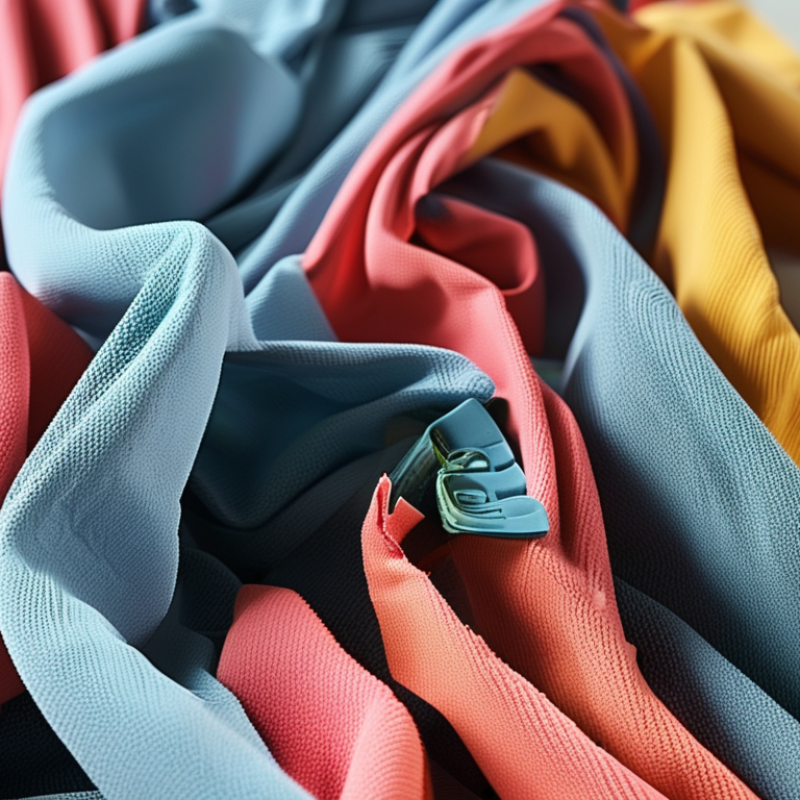
Elastic spandex fabric is versatile and widely used. Its unique blend of elasticity and comfort makes it ideal for various applications, from activewear to casual clothing. Understanding the basics helps you make informed choices. The fabric contains spandex, also known as elastane, which provides stretch and recovery. This means garments maintain their shape while allowing freedom of movement.
When selecting spandex fabric, consider weight and thickness. Thicker materials offer more support, while lighter options can be more breathable. Think about the purpose of the fabric. For example, you may want a heavy spandex for leggings that must withstand wear during workouts. Or, choose a lighter weight for a blouse that flows nicely yet stretches comfortably.
Storage and care of spandex fabric is another vital aspect. Improper washing can damage the elasticity. Some fabrics need gentle cycles and cold water. Always check care labels. Reflect on the environment in which the fabric will be used. Will it be exposed to sunlight? High UV exposure can deteriorate elasticity over time. These factors can influence your fabric choice significantly.
Different Types of Spandex Fabrics and Their Properties
Spandex fabrics come in various types, each with distinct properties suited for different applications. The most common types include
Nylon Spandex, Polyester Spandex, and Cotton Spandex.
Nylon Spandex boasts excellent stretch and durability, making it suitable for activewear.
According to industry reports, Nylon Spandex can stretch up to 600% before breaking, which highlights its flexibility.
Polyester Spandex blends durability with moisture-wicking properties, ideal for athletic gear.
It holds its shape well, even after multiple washes. Cotton Spandex offers breathability and comfort.
It is often used in casual wear but may lack the extreme elasticity found in synthetic blends.
Tip: When selecting spandex fabric, first consider the intended use.
For high-intensity activities, Nylon Spandex offers the best performance. Conversely, for everyday wear, opting for Cotton Spandex might provide comfort and style.
Keep in mind the fabric's weight and thickness as well. Heavier fabrics can provide more coverage but may restrict movement. Lighter options offer more freedom, but they may wear out faster.
Adjust your choice based on how you plan to use the fabric. Always review product specifications to ensure you’re making a reliable choice tailored to your needs.
Factors to Consider When Selecting Spandex for Your Projects
Choosing the right elastic spandex fabric is crucial for your projects. Understanding key factors can significantly influence your final product. First, consider the percentage of spandex in the fabric blend. Typically, fabrics with 5% to 20% spandex provide good stretch and recovery, ensuring comfort and durability. According to a report by the Textile World, fabrics with higher spandex content offer better elasticity, suitable for activewear and swimwear.
The weight of the fabric is another important element. Lighter fabrics (around 150-200 grams per square meter) are ideal for high-energy activities. In contrast, heavier fabrics (over 200 grams) offer more support and coverage. Misjudging these factors can lead to unsatisfactory results.
Tip: Always test the fabric's stretch and recovery capabilities before committing. Cut a small piece and stretch it. If it returns to shape quickly, it is a good choice.
Equally important is the fabric’s breathability. Spandex blends can vary widely. Choose breathable materials for hot weather projects. Fabrics with a moisture-wicking finish can enhance comfort. Check product specifications for breathability ratings. A misplaced focus on aesthetics over functionality could lead to issues.
Tip: Look for certifications like OEKO-TEX or GOTS for quality assurance in your fabric choice.
How to Choose the Best Elastic Spandex Fabric for Your Needs?
| Factor |
Description |
Recommended Use |
Weight (g/m²) |
Stretch Percentage |
| Fabric Composition |
The blend of spandex with other fibers affects the feel and stretch. |
Activewear, swimwear |
200 |
30-40% |
| Fabric Weight |
Heavier fabrics offer more durability and warmth. |
Winter activewear, leggings |
300 |
20-30% |
| Breathability |
Airflow through the fabric, important for comfort during exercises. |
Sportswear, workout clothing |
180 |
40-50% |
| Recovery |
Ability of the fabric to return to its original shape after stretching. |
Dancewear, fashion clothing |
220 |
30-40% |
| Moisture-wicking |
Fabric's ability to pull moisture away from the body. |
Activewear, athletic clothing |
250 |
25-35% |
Assessing Fabric Stretch, Durability, and Comfort
When selecting elastic spandex fabric, comfort, stretch, and durability are paramount. Stretch is a key factor that defines how well a fabric performs, especially in activewear. According to a recent report from the Textile Institute, fabrics with a stretching ability of 30% to 50% provide optimal performance for yoga and fitness apparel. A significant range of stretch ensures ease of movement and comfort, minimizing any discomfort during wear.
Durability is another critical aspect. A study published in the Journal of Textile Science indicates that spandex fibers can typically withstand up to 70 washes without significant loss of elasticity. However, not all spandex is crafted equal. Fabric blends with higher cotton or polyester content may wear out faster under stress. Understanding how different blend ratios affect longevity will guide your choice for the right project.
Comfort often boils down to the fabric's feel against the skin. Reports show that users prefer fabrics with moisture-wicking properties, especially during intense activities. Spandex blended with bamboo or modal enhances breathability and softness. This can be an area of concern, as some fabrics may feel great initially but become stiff or irritating after repeated washes. Explore options to balance these needs through diligent research. Each choice influences performance and satisfaction over time.
Best Practices for Caring and Maintaining Spandex Fabrics
Caring for spandex fabrics is essential to prolong their life and maintain their elasticity. Research indicates that improper care can significantly reduce the lifespan of spandex garments. For instance, washing spandex in hot water can lead to degradation. Ideally, use cold water and a gentle cycle to preserve the fabric’s elasticity. It is also advisable to avoid bleach and fabric softeners, as these can break down the fibers.
Drying methods matter too. Hanging spandex to dry is preferable to using a dryer. Heat can cause shrinkage and alter the fit of clothing. A study from the Textile Research Journal suggests that most spandex garments can retain their original shape better when air-dried. However, consumers often overlook these recommendations. Many individuals still toss their spandex clothes into the dryer, leading to frustrations over fit after a few washes.
Storing spandex appropriately is another crucial step. Avoid folding spandex items; instead, hang them to prevent creasing. Moreover, steer clear of direct sunlight, which can fade colors and weaken fibers. Research from the American Apparel & Footwear Association highlights that many consumers inadvertently shorten the lifespan of their activewear due to inadequate storage practices. By implementing better care routines, you can keep your spandex looking fresh and functional for much longer.