2026 Top Yarn Dyed Dobby Fabric Trends for Global Buyers?
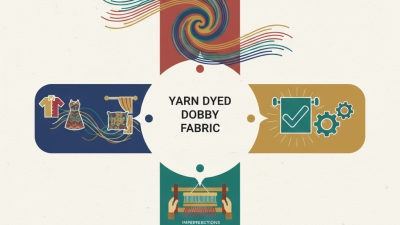
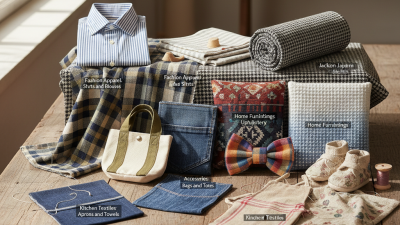
As we look ahead to 2026, the landscape of textile trends is evolving. One of the key players in this transformation is Yarn Dyed Dobby Fabric. This unique fabric combines intricate patterns with vibrant colors, capturing the attention of designers and buyers alike. Its versatility makes it suitable for various applications, from fashion to home decor.
Global buyers are increasingly drawn to Yarn Dyed Dobby Fabric for its quality and aesthetic appeal. Manufacturers are experimenting with different structures and dyeing techniques, leading to innovative designs. However, with so many options available, distinguishing between quality and mediocrity can be challenging. Buyers must prioritize sourcing from reputable suppliers to ensure reliability.
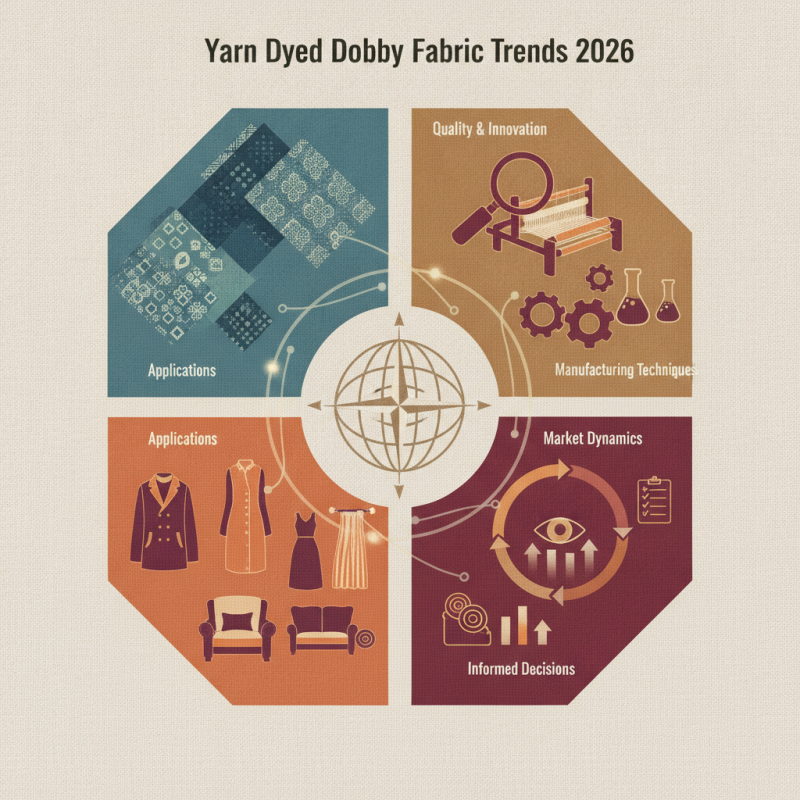
Understanding the nuances of Yarn Dyed Dobby Fabric trends is essential for making informed purchasing decisions. The market is dynamic, and staying updated on emerging styles and technologies will enhance buyer confidence. Reflection on previous decisions, coupled with a keen eye for detail, will guide buyers in selecting the best fabric to meet their needs. The journey into this vibrant world is filled with both excitement and uncertainties.
Emerging Color Palettes in Yarn Dyed Dobby Fabrics for 2026
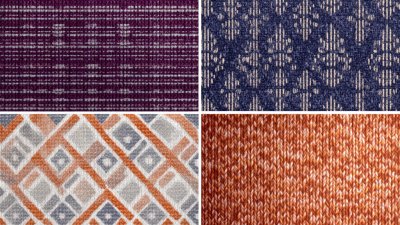
As we approach 2026, yarn dyed dobby fabrics are set to embrace innovative color palettes that reflect shifting consumer preferences. Recent reports highlight how 70% of buyers prioritize sustainability and aesthetic appeal as they explore new fabric options. This means that earthy tones and vibrant hues will dominate the market. Colors like muted terracotta and deep sage green are gaining traction, resonating with eco-conscious consumers looking for textiles that underscore their values.
Emerging trends indicate a shift towards mixing textures with color. Fabrics incorporating subtle patterns alongside rich colors create depth and visual interest. Research from the Textile and Apparel Association points out that 45% of consumers appreciate unique fabric designs, emphasizing the demand for creativity in textiles. However, the challenge remains to source sustainable materials without compromising on quality or color vibrancy.
Buyers face inherent difficulties. Many struggle to align their sourcing strategies with the latest trends while ensuring ethical practices. The balance between artistry and responsibility often feels elusive. Exploring these new color palettes means navigating complexities in production and supply chains. Though exciting, these changes prompt reflection on how to meet consumer needs responsibly.
Sustainable Practices in Yarn Dyed Dobby Fabric Production
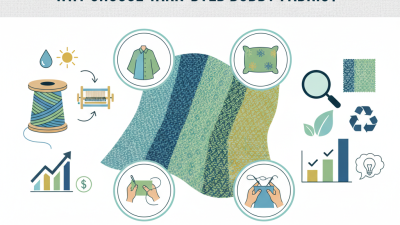
Sustainable practices in the production of yarn dyed dobby fabric are gaining traction. The global textile industry accounts for approximately 10% of annual carbon emissions, prompting a shift towards eco-friendly methods. Brands are increasingly prioritizing sustainable sourcing, focusing on organic fibers and recycled materials. This is not just a trend but a necessity for the planet.
A report from the Textile Exchange indicates that organic cotton farming has increased by 50% over the last five years. This reflects a growing consumer demand for sustainable fabrics. Similarly, innovations in dyeing techniques are crucial. Traditional dyeing methods often consume vast amounts of water and energy. New technologies, like digital printing, significantly reduce resource use.
However, challenges remain. Many manufacturers are still hesitant to switch to sustainable practices due to cost concerns. There's a lack of widespread industry standards, which makes it hard for buyers to identify truly sustainable options. Some companies may greenwash their efforts, misleading consumers. Transparency in sourcing and production is increasingly important. Stakeholders must push for accountability to ensure the integrity of sustainable claims.
2026 Top Yarn Dyed Dobby Fabric Trends for Global Buyers? - Sustainable Practices in Yarn Dyed Dobby Fabric Production
| Trend |
Description |
Sustainability Practices |
Material Usage |
| Eco-Friendly Dyes |
Use of non-toxic, biodegradable dyes that minimize environmental impact. |
Adoption of natural dyeing methods and reduction of water usage. |
Organic cotton, hemp, and bamboo fabrics. |
| Recycled Materials |
Fabrics made from recycled fibers, reducing waste and resource consumption. |
Use of post-consumer polyester and pre-consumer cotton waste. |
Recycled polyester, cotton blends. |
| Water-Saving Techniques |
Innovative processes that significantly reduce water consumption during production. |
Implementation of closed-loop water systems. |
Various recycled and sustainable fiber mixtures. |
| Digital Printing |
Utilizing digital printing technology to reduce ink waste and chemical use. |
Minimization of material waste through precise printing methods. |
Eco-friendly synthetic and natural blend fabrics. |
| Biodegradable Materials |
Development of fabrics that naturally decompose after disposal. |
Focus on sustainable sourcing and eco-friendly textiles. |
Materials such as Tencel and natural cotton. |
Key Market Influences on Global Demand for Dobby Fabrics
As the global demand for dobby fabrics continues to evolve, several key market influences come into play. Economic conditions significantly shape consumer preferences. Fluctuating textile prices can lead to shifts in procurement strategies. Buyers often seek high-quality materials that remain affordable. This balance between quality and cost impacts overall market trends.
Fashion trends also play a crucial role. Designers are increasingly focusing on unique textures and patterns. Dobby fabrics offer versatility, appealing to both casual and formal wear markets. Sustainability is another growing concern. Buyers are looking for eco-friendly options that meet both aesthetic and ethical standards. This shift influences the types of fabrics that manufacturers prioritize.
Tips: When sourcing dobby fabrics, pay attention to current trends and materials. Look for suppliers who prioritize transparency in their production processes. Always consider potential changes in buyer preferences. Conducting market research can provide valuable insights. Understanding these market dynamics can enhance your purchasing strategy and improve selection.
Fashion Industry Collaborations Driving Dobby Fabric Innovations
The fashion industry is witnessing significant innovations in dobby fabric, fueled by dynamic collaborations. Designers are joining forces with textile makers, enhancing the versatility and appeal of yarn-dyed fabrics. This shift is evident in a 2023 report from the Global Fashion Market, which states that collaboration-driven innovations have increased consumer demand for eco-friendly options by 30%. Such partnerships lead to unique textures and innovative patterns that attract diverse consumers.
One notable trend is the rise of sustainable dobby fabrics. Many designers are focusing on responsible sourcing and production methods. A recent study highlights that 65% of young consumers prefer brands that prioritize sustainability. This demographic shift challenges brands to rethink their supply chains and material choices. Effective collaboration can bridge gaps in knowledge and resources, fostering an environment where creativity flourishes.
Tip: When exploring collaborations, prioritize companies with shared values. Transparency in sourcing encourages trust and fosters loyalty among consumers.
The evolution of dobby fabrics shows the power of collective expertise. However, some partnerships may lack clarity and direction. Diversity in collaboration is essential, yet it can lead to conflicts if not managed carefully. Finding the right balance is crucial for creating compelling products that resonate with consumers.