10 Best Natural Stretch Fabric Options for Ultimate Comfort and Style?
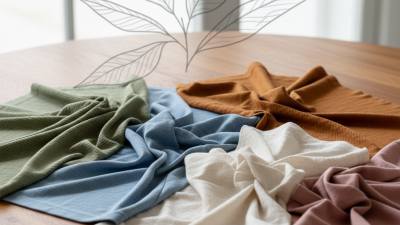
Natural stretch fabric has become increasingly popular in the fashion industry. Reports show that the global stretch fabric market is expected to grow significantly, reaching around $22 billion by 2025. This rise reflects consumers' desire for comfort without sacrificing style. Natural stretch fabrics, made from materials like cotton, bamboo, and linen, offer remarkable flexibility and breathability.
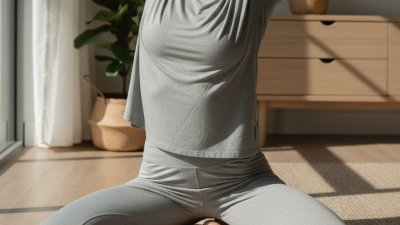
Comfort is key. According to industry surveys, 73% of consumers prefer fabrics that allow freedom of movement. Natural stretch fabrics provide this flexibility while being gentle on the skin. Many people report feeling more comfortable in these materials throughout the day. Yet, sourcing quality natural stretch fabric remains a challenge. Not all products labeled as "natural" meet the desired environmental standards.
It's essential to evaluate fabric options carefully. Some stretch materials may contain synthetics, which can impact comfort and style. Therefore, choosing the right fabric ensures both aesthetics and durability. Exploring the best natural stretch fabric options can enhance your wardrobe, offering a blend of comfort and chic design.
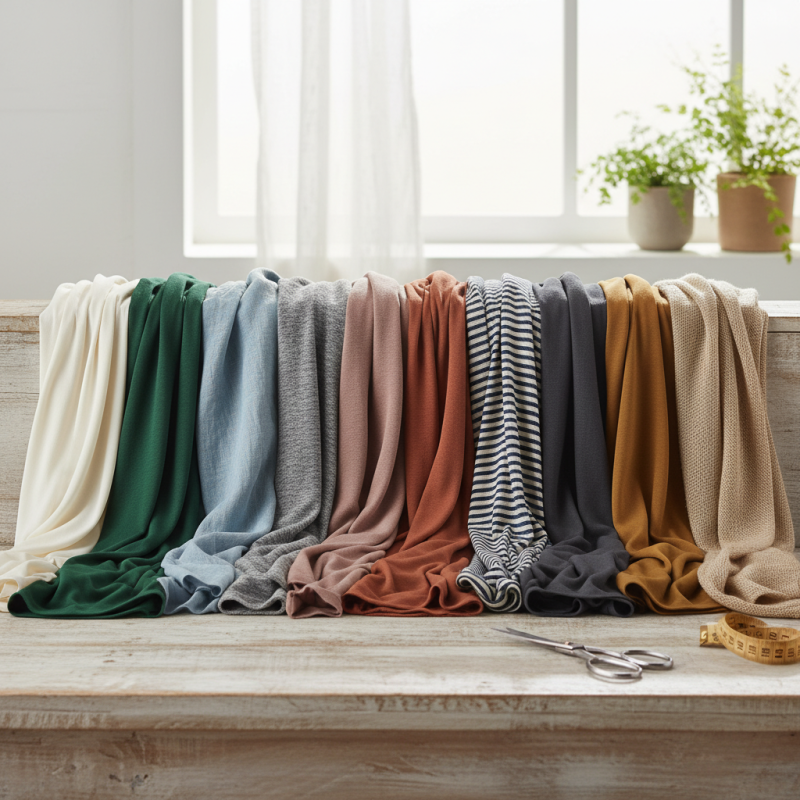
Overview of Natural Stretch Fabrics and Their Benefits
Natural stretch fabrics have gained popularity due to their comfort and versatility. These fabrics can absorb moisture while providing breathability. Reports from the Textile Institute indicate that around 75% of consumers prioritize comfort in their clothing choices. Therefore, it is essential to explore natural stretch options.
Cotton is a commonly used natural fiber known for its softness and versatility. It stretches well without losing its shape, making it an excellent choice for casual wear. Bamboo fibers are another great option. They provide excellent moisture-wicking properties and are biodegradable. According to a survey by the Organic Trade Association, nearly 50% of consumers are willing to pay more for sustainable clothing options. This demand for eco-friendly materials highlights the benefits of renewable resources.
While many natural fabrics excel in comfort, they may require special care. For instance, some fabrics might shrink after washing, requiring users to adjust their laundry habits. Additionally, achieving the right balance of stretch and durability can be challenging in some natural blends. It is crucial to consider these factors when selecting materials for everyday wear.
Top 10 Natural Stretch Fabric Types for Comfort and Flexibility
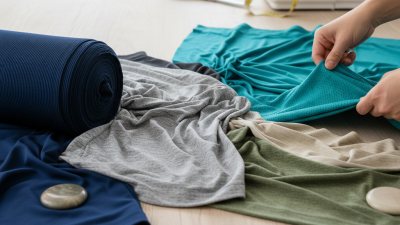
When it comes to choosing natural stretch fabrics, comfort and flexibility are crucial. Natural fibers, such as cotton, linen, and hemp, offer fantastic breathability and softness. These materials adapt to your body, ensuring ease of movement throughout the day.
Cotton is a popular choice. It feels soft against the skin and allows your body to breathe. When blended with spandex, it enhances stretchability. Linen is another excellent fabric. It’s lightweight and perfect for warm weather. However, it may wrinkle easily, which some people find off-putting. Hemp is sturdy and eco-friendly, making it a favorite among sustainable fashion enthusiasts. Yet, its rough texture can be challenging for sensitive skin.
Tips: Always check the fabric's composition before purchasing. Blends often provide the best of both worlds—comfort and stretch. For everyday wear, consider opting for fabrics that easily recover their shape. This ensures they remain looking fresh even after multiple washes. Choosing the right natural stretch fabric can elevate your wardrobe while prioritizing comfort and style.
Key Characteristics to Look for in Stretch Fabrics
When choosing stretch fabrics, comfort and style are paramount. Key characteristics in these fabrics can greatly enhance your wardrobe. Look for fabrics that offer breathability. Natural fibers like cotton are great choices. They allow air circulation and keep you cool. Additionally, consider the fabric's elasticity. It should stretch and return to its original shape, ensuring a flattering fit.
Another important aspect is the feel of the fabric. Soft textures are always more inviting. A fabric that feels good against the skin can increase overall comfort. Check for moisture-wicking properties too. This feature pulls sweat away, which is beneficial for active lifestyles.
Tip: Always test the fabric before purchasing. Stretch it gently to feel how it responds. Pay attention to the recovery time. Fabrics that bounce back quickly tend to last longer.
It might be tempting to prioritize only the look of a fabric. However, overlooking comfort can lead to regrets. Think about where and how often you'll wear the item. Fabrics that are comfortable will make you feel more confident and stylish. The right choices today will pay off in long-term satisfaction.
10 Best Natural Stretch Fabric Options for Ultimate Comfort and Style
Stylish Applications of Natural Stretch Fabrics in Fashion
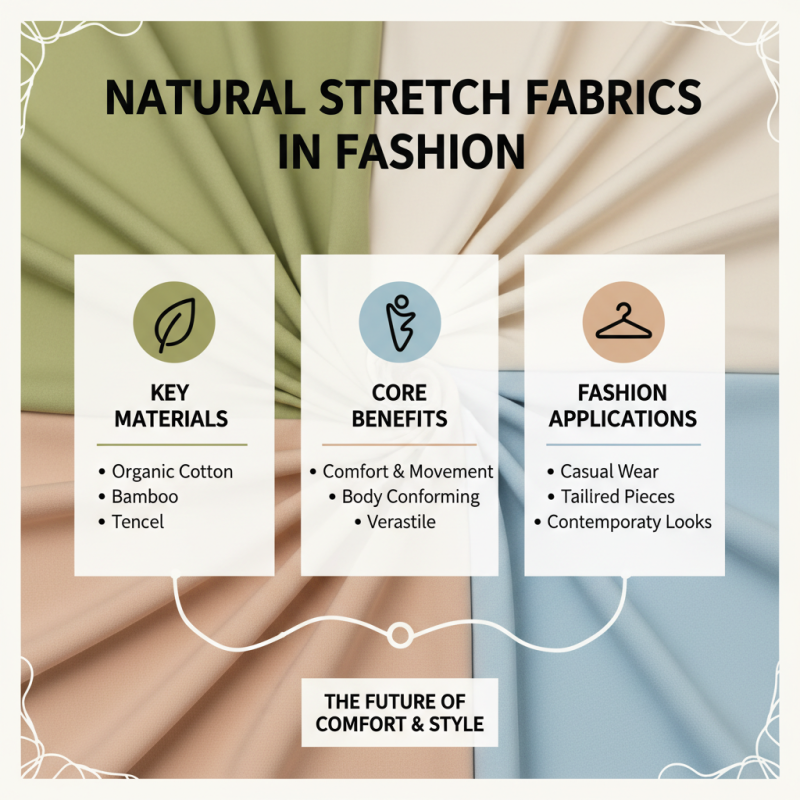
Natural stretch fabrics are making waves in fashion for their remarkable comfort and stylish appeal. Designers are increasingly favoring materials like organic cotton, bamboo, and Tencel. These fabrics hug the body while allowing freedom of movement, perfect for contemporary looks. Whether in casual wear or tailored pieces, the versatility of these textiles is undeniable.
For those exploring stylish applications, consider layering. A fitted bamboo shirt under a loose-fitting dress showcases both comfort and elegance. The drape of Tencel creates stunning maxi skirts that flow with grace. Additionally, organic cotton blend leggings can seamlessly transition from yoga to brunch outings.
Tips to remember: always check fabric content for stretchability and breathability. When selecting pieces, aim for versatile colors that easily mix and match. Ethical fashion is proving that you don't have to sacrifice style for sustainability. Embrace imperfections too; sometimes, a slightly irregular seam adds character. Keep these elements in mind to elevate your wardrobe with natural stretch fabrics.
Care and Maintenance Tips for Natural Stretch Fabrics
Natural stretch fabrics offer exceptional comfort, but proper care is essential. Washing at lower temperatures protects fibers. According to a report by the Fabric Care Institute, nearly 30% of fabric damage results from improper washing methods. This statistic highlights the need for careful handling of garments. Choose a gentle detergent free of harsh chemicals. This prolongs the lifespan of your favorite pieces.
Air drying is preferred over machine drying. Heat can cause shrinkage and fabric deterioration. The American Textile Manufacturers Institute states that line drying can extend fabric life by up to 50%. Avoid direct sunlight to prevent fading. Instead, opt for a shaded area for drying. It’s critical to regularly check for pilling, which can occur over time. A fabric shaver can remedy this issue, enhancing the garment's appearance.
Invest in storage solutions that respect the fabric's natural properties. Folding stretch fabrics can create unwanted creases. Hang them instead. Storing items in breathable garment bags can also protect against dust. Even the best fabrics require thoughtful maintenance. Regularly inspect and care for your clothing to maintain both comfort and style.