What is Recycled Fleece Fabric and Why Should You Use It?
Recycled Fleece Fabric is making waves in the sustainable textile industry. This innovative material is created from post-consumer plastics, mainly bottles. According to the Textile Recycling Association, about 30% of textiles in the U.S. are recycled, yet only a small percentage is used to create new fabric. This presents both a challenge and an opportunity for eco-conscious companies.
Renowned textile expert Dr. Emily Green highlights the importance of Recycled Fleece Fabric. She states, “Embracing recycled materials is key to reducing our environmental footprint.” The production of recycled fleece requires less energy and water compared to virgin polyester. This leads to decreased greenhouse gas emissions and a significant reduction in landfill waste.
Despite its advantages, the industry faces hurdles. Consumer awareness about Recycled Fleece Fabric is still limited. Additionally, some products may lack the durability of traditional fabrics. Industry players must educate the market about the benefits and potential of recycled materials. This journey toward sustainability needs collaboration and innovative thinking.
What is Recycled Fleece Fabric?
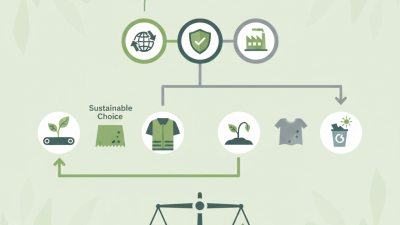
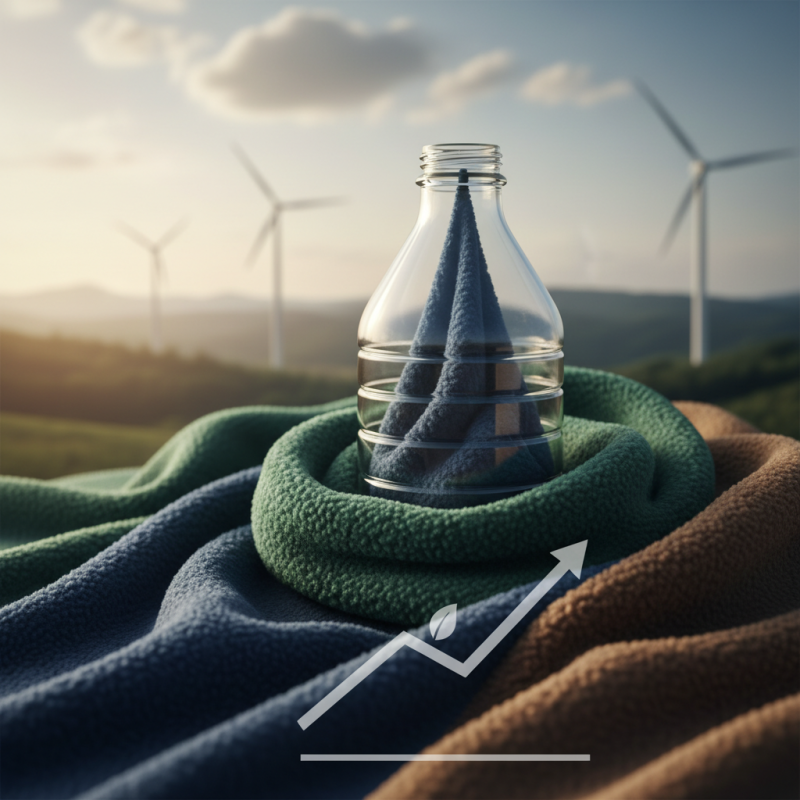
Recycled fleece fabric is an innovative textile made from post-consumer plastic bottles and other recycled materials. This process transforms waste into soft, warm fabric while reducing landfill waste. The material retains durability, insulation, and comfort typical of traditional fleece but with a lower environmental impact.
When discussing the benefits of recycled fleece, it’s essential to consider the broader implications of material sourcing. Though this fabric aids in waste reduction, the production process still relies on energy and resources. The environmental cost of recycling can sometimes be overlooked. Each step, from collection to processing, needs careful evaluation.
Choosing recycled fleece means supporting sustainability in the textile industry. However, not all recycled fabrics have the same impact. Some are better than others. Quality varies based on how thoroughly the materials are processed. This complexity challenges consumers to make informed decisions. Understanding recycled fleece requires knowledge of both the manufacturing process and its end uses.
Recycled Fleece Fabric Usage and Benefits
The Manufacturing Process of Recycled Fleece Fabric
Recycled fleece fabric is a sustainable choice. Its manufacturing process begins with collecting post-consumer plastic bottles. In 2020, approximately 2.3 million tons of plastic bottles were recycled in the U.S. alone, according to the National Association for PET Container Resources. These bottles are cleaned, shredded, and then processed into small pieces.
Once the plastic is processed, it undergoes extrusion. This melts the plastic pieces and transforms them into fibers. The fibers are then spun into yarn, which forms the basis for creating recycled fleece fabric. It’s notable that the Energy Department states recycling plastic requires 66% less energy than producing virgin polyester.
However, some challenges persist. Quality can sometimes vary across batches. The dyeing process might cause slight inconsistencies in shade. More research is needed to optimize these methods and minimize environmental impact. Each innovation brings us closer to truly sustainable practices in fabric manufacturing, yet hurdles remain that need addressing.
What is Recycled Fleece Fabric and Why Should You Use It?
| Aspect |
Details |
| Material Source |
Recycled plastic bottles (PET) |
| Manufacturing Process |
Collection, cleaning, shredding, melting, and extruding |
| Environmental Benefits |
Reduces landfill waste, conserves water, and lowers carbon footprint |
| Durability |
Highly durable and resistant to wear and tear |
| Softness |
Offers a soft, cozy feel |
| Applications |
Clothing, blankets, and outdoor gear |
| Care Instructions |
Machine washable, tumble dry low, do not bleach |
| Cost Comparison |
Generally competitive with traditional fleece fabrics |
Benefits of Using Recycled Fleece Fabric
Recycled fleece fabric offers numerous benefits for both consumers and the environment. Made primarily from reclaimed plastic bottles and textiles, this material conserves natural resources. The process of recycling reduces waste in landfills and decreases the energy needed for producing new fabrics. This makes recycled fleece an eco-friendly choice for outdoor gear and apparel.
Using recycled fleece also means supporting sustainable practices. Many manufacturers focus on reducing their carbon footprint. By opting for recycled materials, consumers encourage these environmentally responsible practices. This fabric provides excellent insulation and warmth. It's lightweight yet effective in retaining heat. Moreover, it is often soft and comfortable to wear.
However, the quality of recycled fleece can vary. Not all manufacturers adhere to the same standards. Researching brands and their processes is essential.
Choosing recycled fleece can also lead to unexpected outcomes. While it may look similar to traditional fleece, some variations exist in texture. These differences require an adaptive mindset when selecting products. Additionally, the color options might be limited based on availability of recycled materials. Thus, while benefits abound, some challenges remain. Balancing quality and sustainability can be a thoughtful journey for conscious consumers.
Applications of Recycled Fleece Fabric in Fashion and Industry
Recycled fleece fabric is gaining traction in both fashion and industry. Its popularity is primarily driven by sustainability efforts. According to a 2023 report by the Textile Recycling Institute, the use of recycled materials can cut greenhouse gas emissions by up to 70%. This significant reduction is essential as the fashion industry is responsible for about 10% of global carbon emissions.
In the fashion sector, recycled fleece is being used in activewear, jackets, and blankets. It is soft, warm, and durable, appealing to consumers looking for sustainable options. Interestingly, the upcycling process creates high-quality fiber from post-consumer plastics and textile waste. This innovation addresses the pressing issue of plastic pollution. However, the recycling process is not without challenges. Some manufacturers struggle to ensure consistent quality and feel in their recycled products.
Industrially, recycled fleece is utilized in insulation, automotive fabrics, and home textiles. The construction industry is also exploring its potential for eco-friendly building materials. While these applications are promising, issues surrounding the availability of raw materials and processing capabilities remain. Researchers are calling for more investment in recycling technology to enhance efficiency. The path to a more sustainable future is complex, but the benefits of using recycled fleece fabric are clear.
Environmental Impact of Recycled Fleece Fabric Use
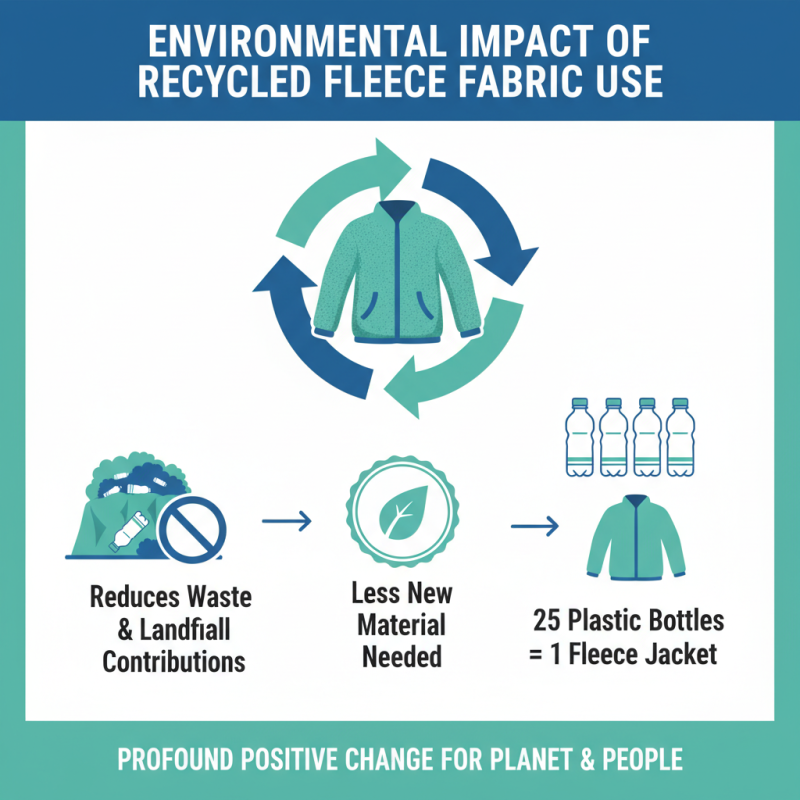
Recycled fleece fabric is made from post-consumer plastic bottles. This process reduces waste and minimizes the need for new materials. Using recycled fleece helps decrease landfill contributions significantly. It takes about 25 plastic bottles to create one fleece jacket. Thus, the fabric has a profound impact on both the environment and consumer habits.
The production of recycled fleece fabric also conserves energy and water. Traditional fleece is made from petroleum-based fibers, which require substantial resources to produce. In contrast, recycled fleece uses up to 76% less energy and 90% less water. This makes it a sustainable alternative. However, not all recycled materials are equal. Some manufacturers may still use harmful dyes and processes.
Tips for choosing recycled fleece: Look for certifications that verify sustainability. Check if the product is made from 100% recycled materials. Also, consider the life cycle of the fleece. Durable products that are designed to last help reduce overall waste.
Not every recycled product is perfect. Some fleece items may shed microplastics when washed. This can pollute water systems. The less we wash synthetic materials, the better. If you opt for recycled fleece, remember to wash responsibly.