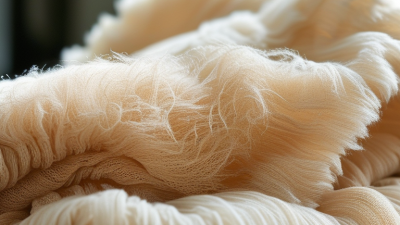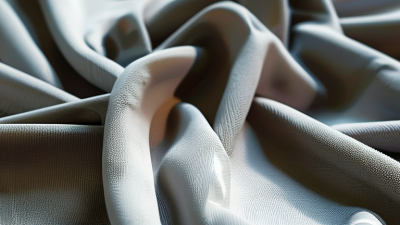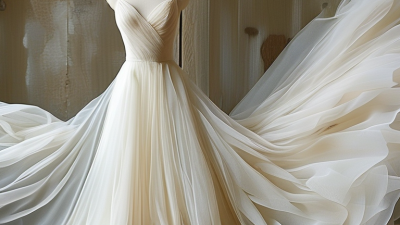
Choosing the best China Floral Print Silk Fabric supplier requires more than comparing attractive catalogs. Buyers must examine fiber content, printing precision, colorfastness, and production consistency. A rose motif may look vivid online, yet appear dull under showroom lighting.
The International Sericultural Commission reports that China remains the world’s leading silk producer, contributing roughly three-quarters of global raw silk output in recent years. Textile Exchange’s Materials Market Report also shows silk remains a very small share of worldwide fiber production, below 0.2%. That scarcity makes traceability and quality control especially important. Small differences matter.
Amanda Briggs-Goode, author of Printed Textile Design, states, “Printed textile design must balance creativity with commercial awareness.” Her point applies directly to Floral Print Silk Fabric sourcing. A dependable supplier should offer clear momme specifications, tested reactive or acid dyes, stable pattern registration, and documented inspection procedures. These details separate a beautiful sample from reliable bulk production.
China has many capable suppliers, but no factory excels at everything. Some offer exceptional digital printing but limited customization. Others provide strong weaving quality yet slower sampling. Buyers should request a physical swatch, wash-test the fabric, inspect the reverse side, and verify shipment records before committing. Supplier websites are useful, but they are not proof.
This guide compares China’s leading Floral Print Silk Fabric suppliers through material quality, design capability, certifications, minimum order quantities, communication, and export experience. The ranking may still require personal verification. That is the honest part.
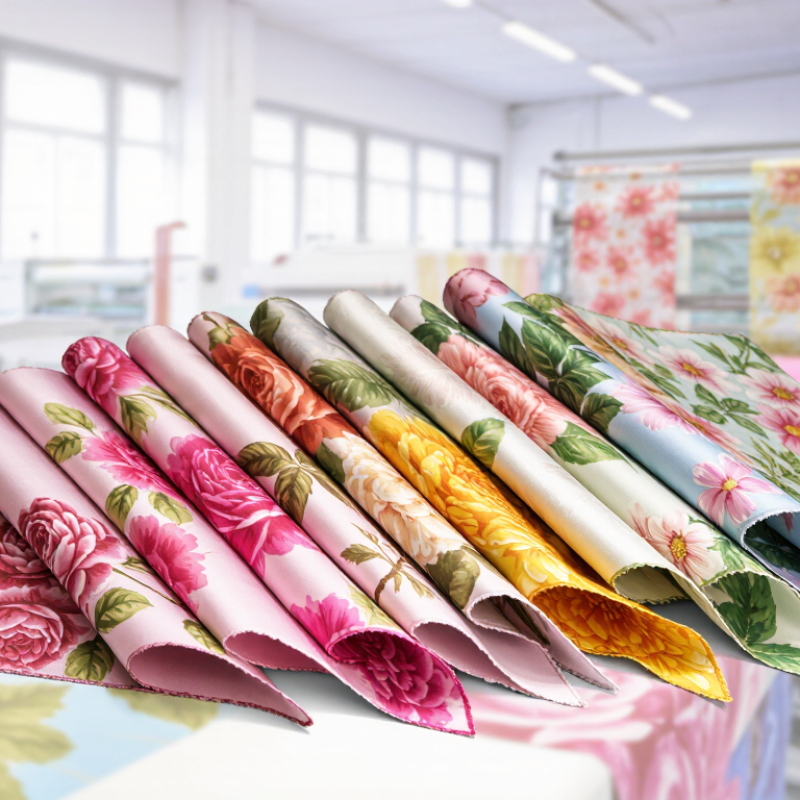
China’s floral print silk fabric industry combines traditional silk weaving with precise, modern printing. Suppliers commonly offer charmeuse, crepe de chine, twill, and heavier silk satin. Each fabric changes how floral colors appear. A soft watercolor rose may look elegant on charmeuse but lose definition on loosely woven cloth. Experienced buyers inspect weave density, silk weight, print alignment, and surface smoothness before placing large orders. Typical samples should show fiber content, fabric width, weight, and washing performance. Supplier claims are useful, but physical testing remains more reliable.
Tips: Request a small sample first. Rub the printed surface gently. Check whether colors transfer onto white cotton. Ask for lightfastness and shrinkage information. Compare the approved sample with bulk production. Even careful suppliers can produce slight shade differences between dye lots. This detail is often underestimated.
A dependable supplier should explain production stages clearly, from yarn preparation to finishing and inspection. Questions about printing methods matter. Digital printing supports detailed petals, while rotary printing can suit repeated patterns and larger quantities. Ask how defects are recorded and corrected. Clear inspection records show stronger professional practice. Some suppliers may provide attractive photos but limited technical evidence. That is a warning sign, though not automatic proof of poor quality. Buyers should also examine packaging, lead times, communication speed, and after-sales handling. The best choice depends on fabric performance, design complexity, order volume, and realistic quality expectations.

China’s floral print silk market offers several useful fabric types for apparel and interiors. Silk charmeuse has a glossy face and soft drape. It suits dresses, scarves, and flowing blouses. Its smooth surface can reveal printing flaws, especially in large flowers. Habotai silk feels light and plain. It works well for linings, sleepwear, and delicate summer garments. The fabric may need careful handling.
Crepe de chine has a slightly grainy texture and a gentle, fluid fall. Small floral designs often look refined on this surface. Silk twill feels stronger and shows a subtle diagonal weave. It is practical for scarves, shirts, and structured accessories. Jacquard silk combines woven patterns with printed flowers. This creates more depth, although the finished fabric usually costs more. Digital printing supports detailed petals and soft color changes. Reactive printing may provide stronger color performance on suitable silk bases.
When evaluating Chinese suppliers, request samples from the exact fabric construction. A supplier’s catalog image is not enough. Check weight, width, silk content, colorfastness, shrinkage, and print alignment. Rub a sample with a damp white cloth. The color should transfer minimally. Ask for production records or test reports when available. Experienced suppliers should explain dye methods, finishing treatments, and minimum order quantities clearly. Small differences can affect cutting. I once underestimated how much a dark background changed a floral print’s appearance under warm lighting. Better sampling would have prevented that mistake. Some details still require independent testing.
When evaluating Chinese silk fabric suppliers, begin with evidence rather than attractive catalogs. A polished website proves little. Request recent sample cards, production photos, and clear fabric specifications. Confirm silk type, momme weight, width, weave, printing method, and usable fabric length. For floral designs, inspect how sharply petals align across the fabric. Ask whether the supplier can repeat colors between batches.
Order a small sample before discussing bulk production. Test softness, drape, colorfastness, shrinkage, and print durability after washing. A qualified supplier should provide test reports from a recognized laboratory when requested. Check whether the report matches the exact fabric, not merely a similar item.
I have found that a perfect sample can still hide uneven edges or weak selvages. That mistake is expensive.
Communication also reveals capability. Ask for a written quotation with payment terms, lead time, packaging details, and quality tolerances. Reliable suppliers answer technical questions directly and admit limitations. Visit the factory, if possible, or arrange an independent inspection before shipment. Review production records and confirm who controls printing and finishing.
A lower price may reflect thinner silk, rushed curing, or inconsistent inspection. I once trusted a confident sales promise too quickly. The fabric arrived usable, but its colors differed noticeably from the approved sample.
Keep every approval in writing, including shade references and defect standards.
China’s strongest floral print silk suppliers are concentrated in Zhejiang and Jiangsu. Shengze is known for broad silk production and efficient weaving capacity. Hangzhou offers strong design resources and finishing expertise. Suzhou supports refined jacquard and embroidery development. Guangdong also serves export buyers, especially for flexible, small-batch production.
A capable supplier should explain silk grades, fabric weight, weave structure, and printing limits clearly. Common options include silk charmeuse, habotai, twill, and crepe de chine. Digital printing suits detailed flowers and short runs. Rotary printing can reduce unit costs for larger orders. Skilled teams should control color matching, steaming, washing, and edge stability.
I would request a physical strike-off before approving bulk production. Check flower edges under daylight, not only on a screen. Ask for shrinkage data, colorfastness reports, and inspection records. Reliable factories usually show production samples, testing procedures, and packing standards without vague promises. Some suppliers can arrange custom designs, recycled packaging, and low minimum quantities, but these services may increase costs.
One weakness deserves attention. Supplier websites often show beautiful samples, yet production consistency can vary between batches. Buyers should compare the approved sample with finished rolls and record tolerances in writing. A practical audit should examine dyeing rooms, storage humidity, worker safety, and wastewater controls. That extra time may prevent costly fabric replacement.
Selecting a China-based floral print silk supplier requires more than comparing quotations. Textile Exchange’s Materials Market Report 2024 places silk at well below 1% of global fiber production, so experienced mills may have narrower capacity and longer scheduling windows. Ask for silk origin, momme weight, weave structure, and printing method. Request a production sample, not only a digital image. Examine flower alignment, edge clarity, color variation, and hand feel under daylight. A lower quote can be useful. It can also hide weaker greige silk or rushed finishing.
Set measurable approval standards before placing an order. For apparel fabric, request colorfastness testing for washing, perspiration, and rubbing, aligned with applicable ISO or AATCC methods. Confirm width tolerance, shrinkage, fabric weight, and minimum order quantity in writing. The International Trade Centre’s sustainability guidance emphasizes supply-chain transparency and documented environmental practices; therefore, ask for fiber records, wastewater procedures, and recent test reports. A factory visit or independent audit can reveal storage problems that samples cannot show. Still, audits are snapshots, not proof of perfect performance.
Use a small pilot order first. Check whether the delivered rolls match the approved sample in shade and print repeat. Record defects with photographs and lot numbers. Agree on inspection timing, replacement terms, packaging, and shipment documents before production begins. The Global Organic Textile Standard requires controlled processing and traceability for certified organic materials, but certification claims should be verified through current certificates and scope details. I have found that communication speed matters almost as much as technical skill. Yet fast replies do not guarantee careful work. Leave room for that uncomfortable possibility.