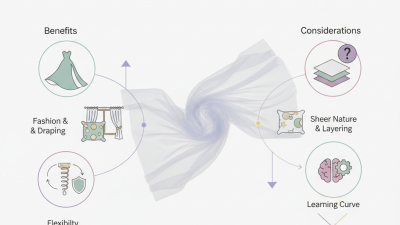
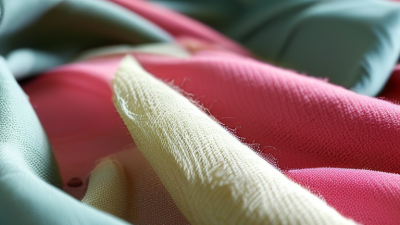
Why Choose Elastic Tulle Fabric for Your Next Project?
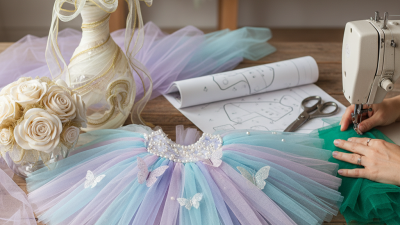
Elastic Tulle Fabric has become a popular choice among designers and crafters alike. Its versatility makes it suitable for various projects, from fluffy tutu skirts to elegant wedding veils. This fabric is lightweight yet strong, offering a unique combination of softness and durability. Designers appreciate how it drapes beautifully, adding volume without excess weight.
Choosing Elastic Tulle Fabric enables creativity to flourish. The fabric easily conforms to different shapes, enhancing any garment's fit. Its elasticity ensures comfort while maintaining style, crucial for any clothing piece. However, working with this material can be challenging. Adequate knowledge about sewing techniques is essential to avoid common pitfalls, like fraying edges or uneven seams.
Incorporating Elastic Tulle Fabric into your work can enhance your creations. It brings a dreamy quality that other materials may lack. Yet, it's vital to balance aesthetics with functionality. Reflecting on your project goals will help you decide if this fabric aligns with your vision. Understanding both the advantages and the challenges can lead to more successful outcomes.
Benefits of Elastic Tulle Fabric in Creative Projects
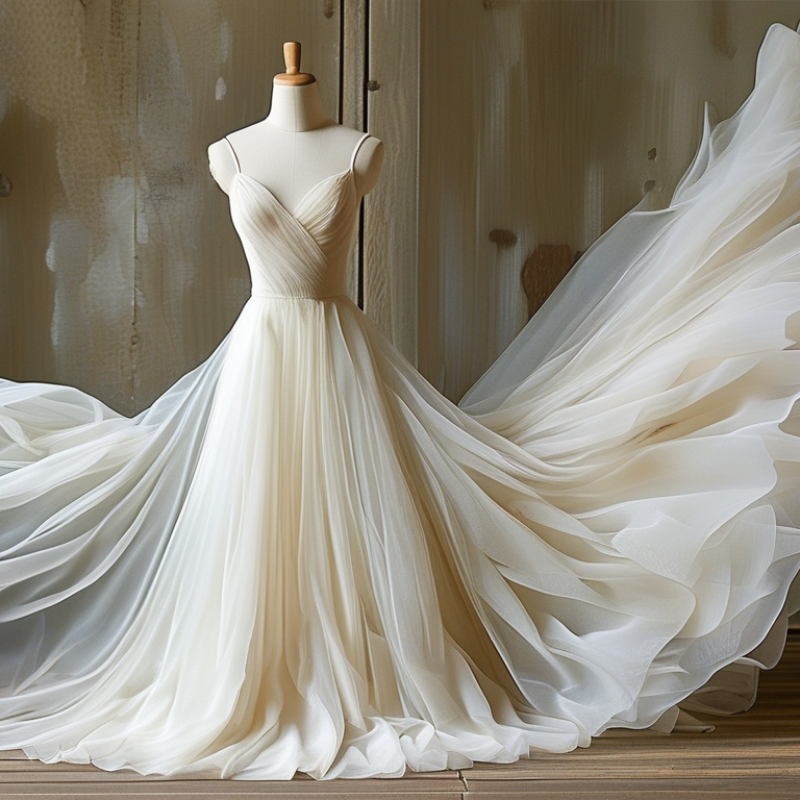
Elastic tulle fabric has become a favored choice among crafters and designers. Its unique blend of stretch and delicacy allows for versatile creative projects. The fabric can easily conform to various shapes, making it perfect for garments and decorations. Whether you’re creating a flowing gown or whimsical decor, this fabric adds a touch of elegance while remaining functional.
One of the standout benefits of elastic tulle is its ability to hold structure. It provides support for designs without losing its airy feel. For instance, it can create voluminous skirts or act as draping accents. This quality means creators can experiment without worrying about the fabric sagging or losing its form. However, not every project will benefit from this material's stretch. It requires thoughtfulness in design to ensure the final piece is cohesive and polished.
Another advantage is its lightweight nature, making it comfortable to wear and easy to handle. This can be particularly beneficial for beginners who may struggle with heavier fabrics. Yet, working with elastic tulle can also present challenges. It may slip and slide during cutting or sewing, so care is needed. Proper preparation is key here. Testing techniques will enhance familiarity and mitigate frustrations.
Versatile Applications of Elastic Tulle: From Fashion to Home Decor
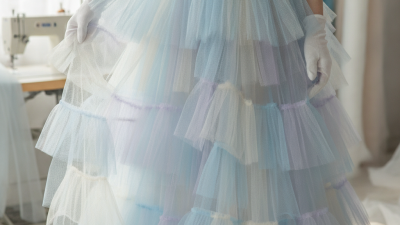
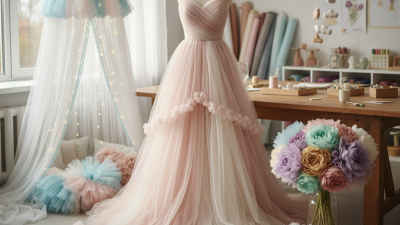
Elastic tulle fabric offers incredible versatility for various applications. Whether you're designing a dress or accessorizing your home, this material proves to be an excellent choice. In fashion, it adds layers and texture to garments, creating eye-catching silhouettes. Designers often use it for skirts and overlays due to its elegant drape.
In home decor, elastic tulle plays a significant role too. It can be used for sheer window treatments, enhancing natural light while maintaining privacy. Upholstery projects benefit from its stretchable nature, allowing for a snug fit on cushions and chairs. Some might find it challenging to work with, as it can fray easily. Careful handling and proper sewing techniques are essential for achieving a polished look.
Beyond fashion and decor, elastic tulle can inspire creativity in events. Use it for whimsical table runners or festive backdrops. The fabric's lightness and movement can elevate any celebration. It’s easy to manipulate, but be prepared for some trial and error during your crafting process. Each project may teach you something new about this adaptable material.
Choosing the Right Weight and Stretch for Your Elastic Tulle Needs
When selecting elastic tulle fabric for your next project, it's essential to consider weight and stretch. A lightweight tulle provides a delicate drape, perfect for layering or adding volume to garments. However, it can also be less durable, which might not suit every purpose. For projects demanding sturdiness, a heavier tulle fabric can offer the necessary support without sacrificing elegance.
The stretch of the fabric is equally important. Some tulle has a significant amount of stretch, making it ideal for fitted designs or activewear. Meanwhile, others provide minimal stretch, ideal for structured pieces. Always test the fabric before making a decision. This step helps identify if it meets your design expectations. If the fabric doesn't behave as intended, it might lead to frustration down the line.
When considering your project, it’s crucial to examine both characteristics closely. Balancing weight and stretch ensures the tulle supports your creative vision. Mistakes can lead to learning opportunities that enhance your skills. Don't be afraid to experiment and adjust based on your experiences with different tulle types. Each project adds to your understanding of fabric dynamics, ultimately benefiting your craftsmanship.
Why Choose Elastic Tulle Fabric for Your Next Project? - Choosing the Right Weight and Stretch for Your Elastic Tulle Needs
| Fabric Weight |
Stretch Percentage |
Best Use Cases |
Care Instructions |
| 30g/m² |
20% |
Lightweight dresses, ballet costumes |
Hand wash cold, hang to dry |
| 50g/m² |
30% |
Costume design, overlays |
Machine wash gentle, tumble dry on low |
| 70g/m² |
40% |
Formal wear, dance costumes |
Spot clean recommended |
| 90g/m² |
50% |
Heavier costumes, tutus |
Dry clean only |
Care and Maintenance Tips for Elastic Tulle Fabric
Caring for elastic tulle fabric is essential for maintaining its quality. Hand washing is often recommended. Use cold water and a gentle detergent. This helps to preserve the elasticity and the delicate structure of the fabric. If you choose to machine wash, select a gentle cycle. Always use a mesh laundry bag to protect it from snags. Avoid bleach as it can discolor or damage the fibers.
Drying elastic tulle requires caution. Air drying is the safest option. Lay it flat on a clean, dry surface. This prevents stretching and maintains its shape. If you must use a dryer, opt for a low heat setting. Keep a close eye on it to avoid overheating. Ironing is another area where attention is needed. Set your iron to a low temperature and place a thin cloth on top. This will help smooth wrinkles without burning the fabric.
Reflecting on its maintenance, remember that elastic tulle can be unforgiving if mishandled. You may encounter fraying or loss of elasticity if not cared for properly. Take your time and treat the fabric with respect. It requires a bit more effort than other materials, but the results can be stunning when done right.
Different Types of Elastic Tulle: A Comprehensive Overview
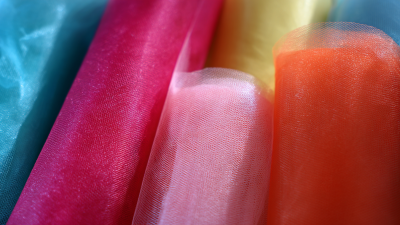
Elastic tulle fabric comes in various types, each serving different needs in the fashion and crafting industries. The sheer quality combined with stretch makes elastic tulle a popular choice for diverse applications, ranging from costumes to formal wear. According to a recent report by Textile World, the demand for versatile fabrics like elastic tulle has increased by 20% over the last five years. This trend is fueled by its adaptability and the global shift towards lightweight garments.
Among its varieties, nylon elastic tulle offers exceptional resilience and a slight sheen, making it ideal for ballet tutus and evening gowns. Polyester elastic tulle is another option, known for its affordability and wide availability. Each type brings distinct characteristics, influencing the final outcome of projects. While elastic tulle's stretch capacity can enhance comfort, it may also present challenges in sewing and pattern alignment. Projects that involve layering requirements can be particularly tricky, leading to potential misalignments if not handled with care.
When selecting elastic tulle, consider both functionality and aesthetics. The fabric's ability to hold shape and provide structure is vital for a polished finish. However, beginners often underestimate the importance of testing samples. Proper testing can prevent unexpected issues during production, ensuring that projects meet both creative and practical standards. Always acknowledge that even with careful planning, flexibility is key, as working with elastic fabrics often requires real-time adjustments for optimal results.
Elastic Tulle Fabric Types Overview