Why Choose Elastic Tulle Fabric for Your Next Project?
Elastic Tulle Fabric is a versatile material that has gained popularity in various creative projects. Its unique combination of stretchiness and lightness makes it a favorite among designers and crafters alike. Whether you are designing costumes, dresses, or home decor, Elastic Tulle Fabric offers endless possibilities.
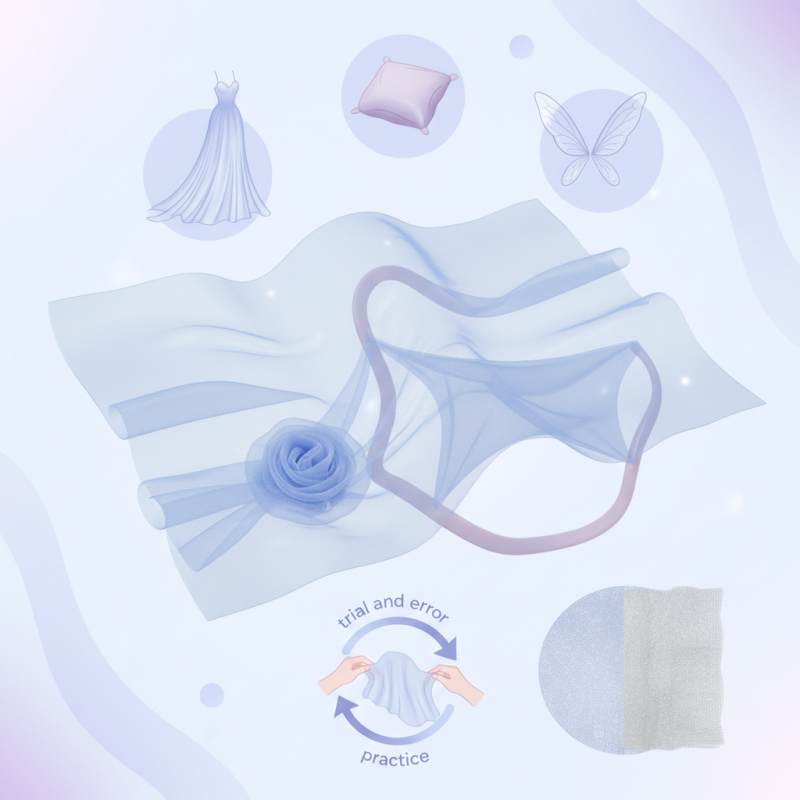
One of the key advantages of this fabric is its adaptability. Elastic Tulle can effortlessly fit diverse shapes and sizes. This flexibility allows for innovative designs that cater to different needs. Working with this fabric may require some trial and error. It’s important to practice techniques like gathering and layering to achieve the desired effect.
Furthermore, the sheer quality of Elastic Tulle Fabric adds a dreamy touch to any project. However, not all tulle is created equal. While some may be more affordable, investing in high-quality tulle can make a significant difference in your final product. Understanding the characteristics of this fabric can elevate your crafting experience and results.
Benefits of Elastic Tulle Fabric for Various Projects
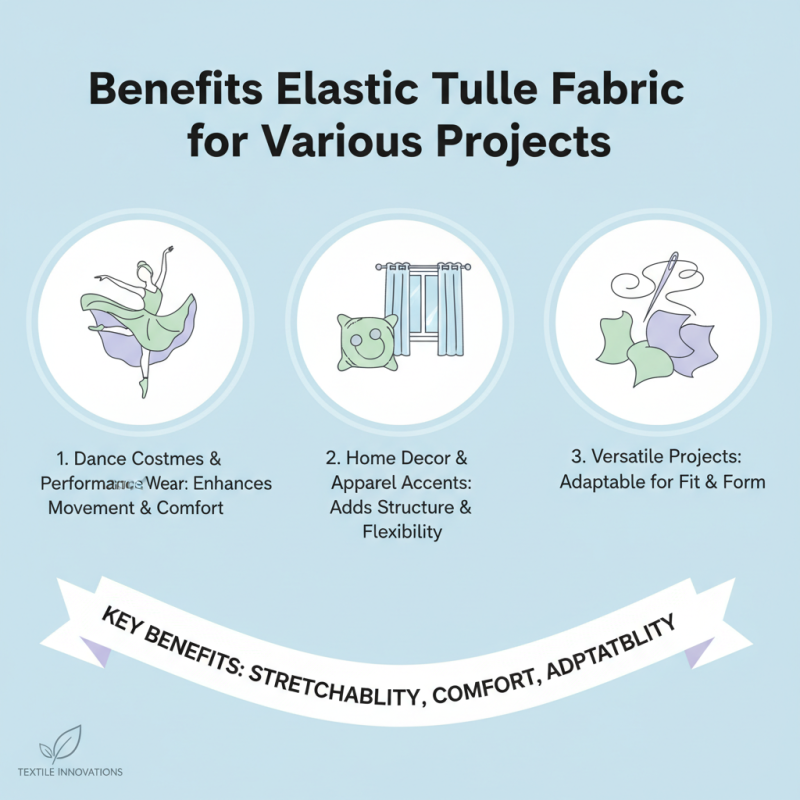
Elastic tulle fabric has gained popularity in various project categories, from dance costumes to home decor. Its stretchability allows for a comfortable fit and enhances movement. According to a study by the Textile Research Journal, tulle’s elasticity can improve the overall experience for wearers, especially in dance and performance settings. This adaptability is particularly valuable for projects that require both structure and flexibility.
Another significant benefit of elastic tulle is its versatility in design applications. It can be used for layering or adding voluminous effects without the usual weight. Reports indicate that designers prefer it for bridal wear and soft furnishings, given its ability to create delicate yet strong silhouettes. However, not every project may benefit from elastic tulle. Users should consider whether its unique properties align with their desired outcome. Sometimes, its sheer nature may not meet the needs of heavier fabrics.
However, working with elastic tulle can be tricky. Sewing techniques must adapt to its stretch, which may not be intuitive for everyone. It could require practice to find the right tension and stitch length. Some crafters find working with this material leads to unexpected challenges, like unravelling during construction. This prompts designers to reflect on their approach and adapt. Embracing imperfections during the creation process can lead to unique, innovative designs.
Comparative Analysis of Elastic Tulle and Other Fabrics
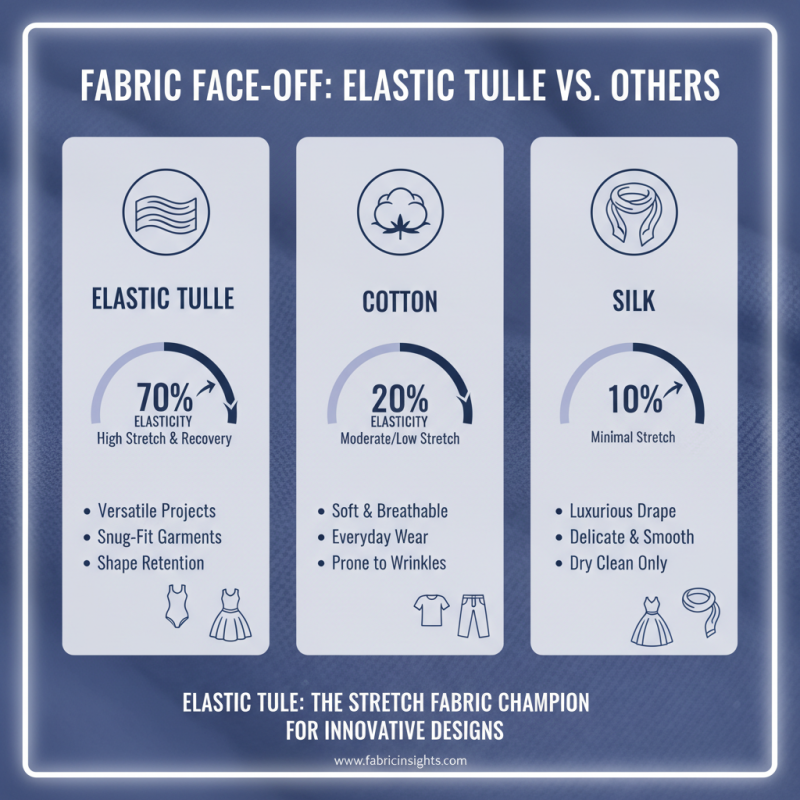
Elastic tulle fabric stands out for its versatility in various projects. When compared to traditional fabrics like cotton or silk, elastic tulle offers unique properties. According to industry reports, elastic tulle has about a 70% elasticity rate, allowing it to stretch and return to its original shape. This elasticity makes it ideal for garments that need to fit snugly.
In contrast, woven fabrics like cotton can lack these flexible properties. Cotton stretches less than 8% and often requires additional design elements to create movement in garments. This can lead to extra costs and complexity in production. Additionally, silk, though luxurious, is less durable and may not hold up well under repeated stretching.
However, elastic tulle is not without its drawbacks. Some users may find its texture less appealing than smoother fabrics. Uneven dyeing can occur, creating color inconsistencies. These imperfections can be frustrating, especially for detailed or high-profile projects. Balancing the benefits of elastic tulle with these potential flaws requires careful planning. Overall, understanding these comparative features is essential for making informed fabric choices.
Applications of Elastic Tulle in Fashion and Crafting
Elastic tulle fabric has emerged as a popular choice in both fashion and crafting. Its flexibility and lightweight nature make it ideal for various applications. According to a report by Market Research Future, the global tulle fabric market is projected to grow at a CAGR of 4.5% from 2021 to 2027. This reflects a rising trend in both the fashion and hobbyist sectors.
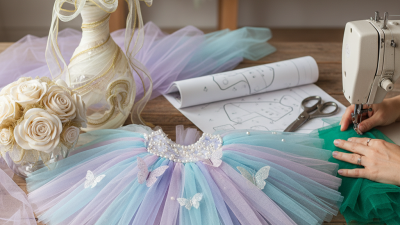
In fashion, elastic tulle is commonly used in skirts, dresses, and overlays. The stretchability provides comfort without sacrificing style. Designers often utilize it to create ethereal silhouettes that flow with movement. Furthermore, tulle's versatility allows for layering, which can enhance visual appeal. In crafting, its applications extend to decorative elements like wreaths, bows, and even costume design. Reports indicate that around 60% of craft enthusiasts prefer using tulle due to its ease of manipulation.
However, there can be challenges. The fabric might fray if not handled carefully. Additionally, some users find it difficult to sew without puckering. These issues spur discussions within crafting communities about techniques to mitigate these problems. Nevertheless, the aesthetic benefits of elastic tulle often outweigh these drawbacks, making it an enduring choice in creative projects.
Why Choose Elastic Tulle Fabric for Your Next Project? - Applications of Elastic Tulle in Fashion and Crafting
| Application |
Description |
Benefits |
| Fashion Design |
Utilized in dresses, skirts, and overlays to add elegance. |
Lightweight, breathable, and drapes beautifully. |
| Costumes |
Perfect for theatrical and dance costumes requiring flexibility. |
Elastic property allows for ease of movement. |
| Crafting |
Used in DIY projects, such as hair accessories and decorations. |
Easy to work with and can be shaped into various forms. |
| Home Decor |
Applied in curtains and table decor for a soft touch. |
Adds a delicate and airy feel to the space. |
| Weddings |
Popular for bridal veils and floral arrangements. |
Provides an ethereal look, enhancing romantic themes. |
Care and Maintenance Tips for Elastic Tulle Fabric
When working with elastic tulle fabric, care and maintenance are essential for preserving its unique qualities. This delicate material often finds its place in various creative projects, but proper handling can be a challenge. According to industry reports, elastic tulle can lose its elasticity after repeated washing if not properly cared for. It is recommended to hand wash in cold water rather than machine wash, as this can reduce wear and maintain the fabric's form.
It is crucial to avoid harsh detergents or bleach. These can compromise the fabric's integrity. Instead, opt for gentle, pH-balanced cleaners. Drying in direct sunlight can weaken fibers, so air drying in a shaded area is preferred. When ironing, use a low-temperature setting. It’s essential to test a small area first, as overheating can cause melting or distortion. Failure to pay attention to these details can lead to disappointing results in your final project.
Despite the care you take, imperfections can occur. Over time, elastic tulle may develop snagged threads or lose its original bounce. Regular inspection helps identify these issues early. Some might feel tempted to ignore maintenance routines. However, neglect leads to a shorter lifespan for your creations. Embracing a careful approach ensures your projects retain their beauty and functionality, contributing to a more successful crafting experience.
Creative Ideas for Using Elastic Tulle in DIY Projects
Elastic tulle fabric has gained popularity for various DIY projects. It adds versatility and a unique aesthetic to creations. According to a recent industry report, the demand for elastic fabrics has surged by 25% over the last five years. This growth reflects their appeal among crafters and designers alike.
Consider using elastic tulle for festive decorations. It works beautifully for table runners or chair sashes. Create a whimsical backdrop for parties by draping it over frames. You might struggle initially with the fabric’s elasticity. Ensure your designs consider the potential stretch. It’s fantastic for flower girl dresses, transforming a simple silhouette into something enchanting.
Another innovative application is in accessories. Elastic tulle can be crafted into headbands or bows, adding a playful touch. A report by the Craft and Hobby Association suggests that projects using elastic materials can enhance creativity. Be mindful that the fabric might fray, requiring extra attention during finishing. Elastic tulle projects provide room for experimentation. Benefits can easily outweigh the challenges if you stay patient and focused.