Who Are the Top Yarn Dyed Dobby Fabric Suppliers in China?
Choosing a Yarn Dyed Dobby Fabric supplier in China takes more than comparing prices or browsing polished product photos. The fabric’s small geometric patterns come from dobby weaving, while yarn dyeing gives the design color before the cloth is woven. That combination can look crisp on a sample card. It still needs to perform on a full production run.
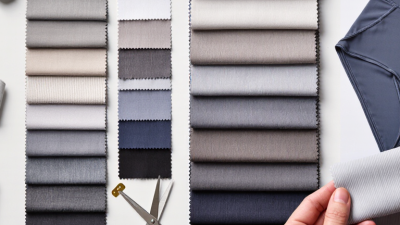
Textile artist and educator Anni Albers wrote, “The most exciting thing about a textile is that it is something between the tactile and the visual.” Her observation is useful here. A swatch’s raised texture and color may impress, but buyers also need to check consistency, shrinkage, colorfastness, and fabric weight. Ask suppliers for technical specifications and recent test results. Request a sample from the actual production lot when possible. Small checks matter.
This guide explores leading Chinese suppliers and the details that help buyers assess them: weaving capabilities, customization options, quality controls, minimum order quantities, and export experience. Compare like with like. A low quote may exclude finishing or packaging, and a sample may not represent bulk production. No shortlist is perfect; supplier information can change, and buyers should verify claims directly. Even a careful review can miss something. That is worth remembering before placing an order.
What Is Yarn-Dyed Dobby Fabric?
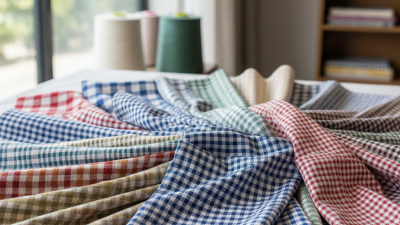
Yarn-dyed dobby fabric is woven from yarns colored before they reach the loom. The dobby mechanism lifts selected warp threads in a planned sequence, creating small patterns such as checks, dots, or subtle diamonds. These designs come from the weave itself, not from a printed layer. Look closely. You may see the motif change slightly as light moves across the surface.
Because the yarns are dyed first, color runs through each yarn rather than sitting only on the fabric face. This can give patterns a clear, woven appearance, though the result depends on yarn quality, dyeing, and loom settings. Dobby structures also vary: some feel crisp and lightweight, while others have a firmer texture or visible floats. “Dobby” alone does not describe the fabric’s full construction.
For a sample, check both sides and rub the surface gently. Inspect whether the pattern is consistent and whether loose threads catch easily. Ask for details about fiber content, weave structure, fabric weight, and colorfastness testing. A small swatch can be misleading, admittedly; bulk production may show slight differences in shade or texture. That deserves a closer look before placing a large order.
How to Evaluate Yarn-Dyed Dobby Fabric Suppliers
When evaluating yarn-dyed dobby fabric suppliers in China, ask how they control shade consistency between sample and bulk production. Request a sample cut and compare it under daylight and indoor lighting. Small color shifts can look obvious across a full shirt or curtain panel. Check the dobby repeat, too; raised patterns should align evenly without broken motifs or loose floats.
Feel the fabric. Check the reverse.
Ask for fabric weight, usable width, fiber composition, shrinkage, and colorfastness test results. Confirm which test method was used and whether the report matches the fabric you plan to order. A report is useful, but it cannot replace inspection. Wash a sample if laundering matters, then measure it after drying. Note any puckering around the woven pattern.
Discuss production details before approving a bulk order. Ask whether the supplier can keep yarn lots and finishing settings consistent, and how defects are recorded. Request a clear sample approval process, realistic lead times, and written tolerances for weight and width. A low sample price may not reflect bulk costs. I would also ask what happens when a batch falls outside agreed limits; vague answers deserve a second look. Supplier claims sound reassuring, but careful records and repeatable checks matter more.
Leading Yarn-Dyed Dobby Fabric Suppliers in China
Leading Yarn-Dyed Dobby Fabric Suppliers in China
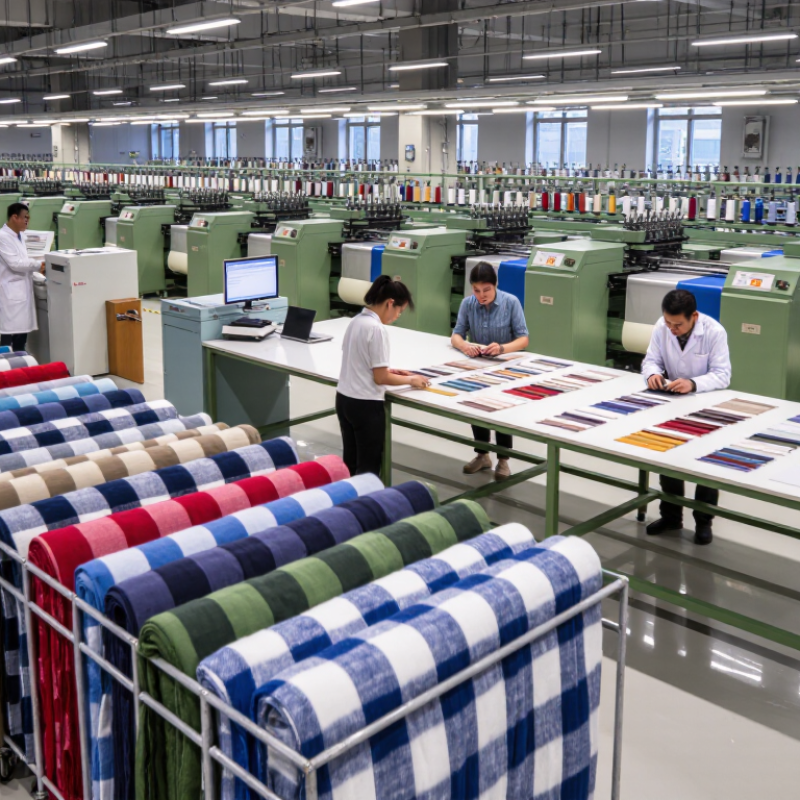
China’s yarn-dyed dobby fabric suppliers serve apparel, home textile, and uniform makers. Dobby looms create small woven patterns, while dyed yarns give the fabric color across its structure. Supplier capabilities can differ in yarn selection, pattern development, and finishing. Ask how each mill controls shade consistency between production lots. A neat sample is useful, but bulk fabric can reveal issues that a swatch cannot.
Compare suppliers using the same brief: fiber content, yarn count, fabric width, pattern repeat, and finish. Request a sample with its specifications, then check the reverse side, hand feel, and color under daylight. For larger orders, discuss inspection points and testing methods before production begins. Clear records help both sides trace changes. Still, specifications do not replace a physical review; texture and drape can feel different than expected.
Tips: Keep a signed sample and record its approved shade, width, and finish. Small details matter. Ask about lead times and minimum order quantities before confirming a schedule.
How to Select and Verify a Chinese Supplier
Choosing a yarn-dyed dobby fabric supplier in China takes more than comparing swatches and prices. Textile Exchange’s Materials Market Report 2024 estimates that global fibre production reached 124 million tonnes in 2023. That scale makes traceability and material claims worth checking, even for a small fabric order. Ask whether the supplier operates the weaving mill or outsources production. Request a recent factory audit, a process flow, and records linking yarn lots to finished rolls. A neat sample can still mislead.
Check the details on the loom, not just in a sales sheet. Compare the approved sample with bulk fabric for colour, dobby repeat, width, weight, and shrinkage. Ask for test reports from an independent laboratory, and confirm the methods used for colourfastness and dimensional change. Match report dates, fabric composition, and lot numbers to your order. Request a small trial run before committing to larger quantities. It may cost more upfront. It can expose uneven yarn tension or pattern drift early.
Tips: Keep one signed sample and one sealed bulk swatch. Photograph roll labels and defects under consistent light. Ask for corrective-action records when a test fails; a clear, documented response is more useful than a quick promise. No sample tells everything. A supplier may also have gaps in its paperwork, so verify claims against the actual production batch.