How to Stretch Softshell Fabric Safely
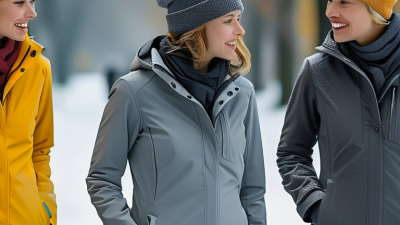
Softshell fabric is built to move, but that does not mean it can be stretched without limits. Stretch Softshell Fabric carefully, because its construction may combine a woven face, a flexible backing, and a water-resistant membrane or coating. Each layer can respond differently to pulling, heat, or moisture. Check the care label before trying any adjustment. Small details matter.
For a minor fit issue, lay the garment flat and use gentle, even hand tension across the area that feels tight. Avoid tugging one seam or forcing the fabric over a sharp object; that can distort stitching or damage the finish. Stop if the material makes a cracking sound, develops pale stress marks, or fails to spring back. That is a warning, not a challenge. A little give may be normal, but lasting deformation is not.
Heat is tempting. Be cautious. A hair dryer, iron, or hot wash may weaken elastic fibers, adhesives, or protective treatments, even when the outer fabric looks unchanged. Do not assume that dampening the garment will make stretching safer. Softshell products vary, so advice that works for one jacket may not suit another. If the fit problem affects a high-stress area, ask a repair professional familiar with technical outerwear. Results can be imperfect, and that deserves honest attention. The safest goal is modest comfort, not a larger garment.
Check the Fiber Blend and Care Label Before Stretching the Softshell
How to Stretch Softshell Fabric Safely
Before trying to stretch a softshell garment, read its care label and check the fiber blend. Polyester with elastane may give slightly, while a membrane or bonded lining can limit movement. The label may also warn against heat, which can damage coatings or weaken adhesive layers. That matters. If the fabric is mostly rigid polyester, forcing it wider may distort the shape rather than create lasting room.
Start with a gentle fit check. Lay the garment flat and look for seams, cuffs, and panels that already feel strained. If the label allows washing, follow its temperature instructions; never use hot water to make the fabric more pliable. After washing, let the garment air-dry, then test a small, hidden area with light pressure. Stop if you hear seam threads crackle, see the surface ripple, or notice the lining separating. A little give is possible, but it is not a promise.
I once assumed a softshell sleeve would loosen after repeated wear. It barely changed, and the tight spot turned out to be the cut, not the fabric. That was a useful correction. Avoid pulling hard on one panel, especially when the garment is wet, since uneven force can leave a permanent bulge. If the care label is missing or the layers look bonded, ask a qualified repair professional before attempting alterations.
How to Stretch Softshell Fabric Safely — Check the Fiber Blend and Care Label Before Stretching the Softshell
| What to Check |
What It Can Tell You |
Safer Approach |
Avoid |
| Care label |
Washing, drying, ironing, and other care limits for the finished garment. |
Follow the garment label first. If it permits washing, use the stated temperature and cycle. |
Using heat, soaking, or machine drying when the label prohibits it. |
| Fiber blend |
Polyester or nylon may form the face fabric; elastane (also called spandex) may add stretch. The exact construction varies. |
Read the full fiber percentages, but treat them as a clue—not a guarantee of how far the garment can stretch. |
Assuming every softshell contains elastane or will stretch substantially. |
| Fabric construction |
Softshell may combine a woven outer face with a membrane, coating, or inner backing. Some fabrics rely on mechanical stretch rather than elastane. |
Test a small, inconspicuous area by gently flexing it in the direction it naturally gives. |
Pulling hard across seams, laminates, or coated areas. |
| Fit problem |
Tightness may come from sizing, seam placement, or pattern shape—not fabric that needs stretching. |
Try the garment over the layers it is designed to fit and identify where movement is restricted. |
Trying to permanently enlarge a garment by force; this can distort its shape or damage seams. |
| Gentle movement test |
A brief, controlled test can show whether the fabric has comfortable give and recovery. |
With the garment off, apply light, even tension for a few seconds, then release and check whether it returns to shape. |
Using weights, clamps, sharp objects, or repeated strong pulling. |
| Warmth and moisture |
Heat can affect synthetic fibers, elastane, coatings, and bonded layers; effects depend on the materials and care instructions. |
Use only the washing or drying method allowed by the care label. Do not use heat as a stretching technique. |
Hot water, a hot iron, a hair dryer, or a heater to force the fabric wider. |
| Water-repellent finish or membrane |
Some softshell garments have a water-repellent treatment or weather-resistant layer that can be affected by unsuitable care. |
Use only cleaning and reproofing methods compatible with the label and garment construction. |
Bleach, fabric softener, or unapproved chemicals that may affect performance or finishes. |
| After the test |
Persistent rippling, whitening, seam strain, or a change in surface texture can signal damage. |
Stop if any of these signs appear. For a costly or technical garment, ask a qualified alteration professional about fit adjustments. |
Continuing to pull once the fabric or seams show signs of stress. |
Key point: Softshell fabrics differ in fiber content and construction. Gentle flexing may reveal existing give, but it cannot reliably or safely create a larger permanent fit. The care label and the garment’s construction should guide every care decision.
Record Panel Dimensions and Assess Stretch with ASTM D3107
Before cutting, record each panel’s width and length at fixed reference points. Mark the fabric’s lengthwise and crosswise directions, and note the face side, laminate, and measurement locations. ASTM D3107 measures stretch, growth, and recovery in woven fabrics made with stretch yarns; it may not suit every knitted or laminated softshell. Check the construction before treating its results as a pass-or-fail score.
Condition specimens in the standard textile atmosphere described in ASTM D1776: 21°C ±1°C and 65% ±2% relative humidity. Then assess stretch using the applicable ASTM D3107 procedure and record the load, gauge length, and direction tested. Calculate extension as change in gauge length divided by original gauge length, multiplied by 100. For example, a 100 mm gauge length that reaches 118 mm shows 18% extension under that test condition. That is an example, not a recommended softshell target. Test gently. Pulling harder can distort the result.
Keep the raw measurements beside the calculated percentages, and repeat tests on separate specimens when material allows. Note seams, coatings, and panel placement; they can affect how a finished piece behaves. A fabric may stretch well but recover poorly, leaving a sleeve longer after wear. ASTM D3107 distinguishes stretch from growth and recovery, so record each reported result rather than relying on one number. Small differences matter. Recheck any panel that shifts during marking, and document the irregularity instead of quietly discarding it.
Test a Hidden Area Using ISO 20932-1 Stretch-Recovery Methods
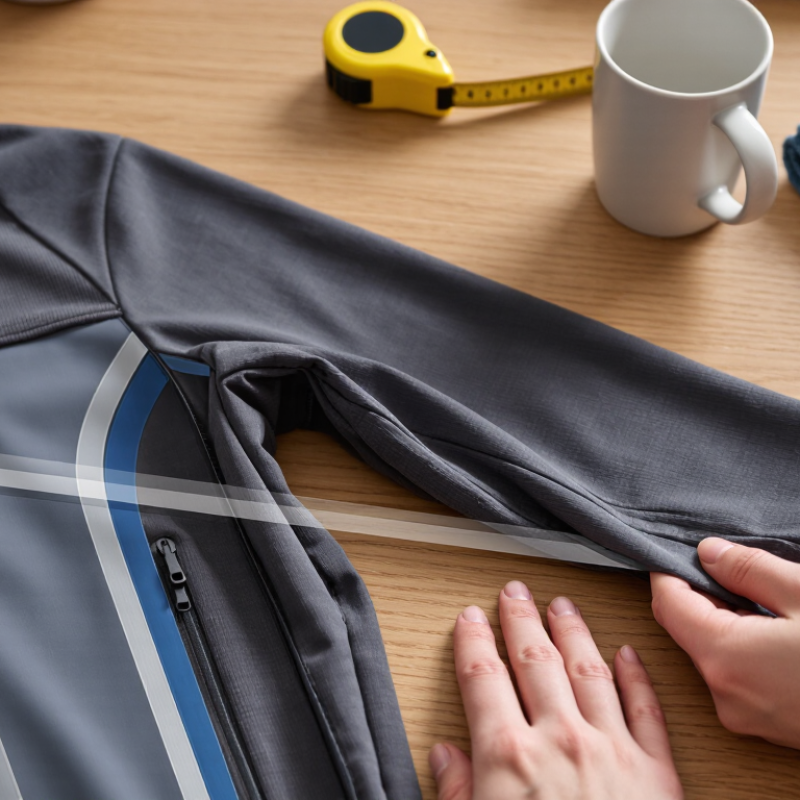
Before stretching a softshell garment, choose a hidden area such as an inner hem allowance. Check the care label and inspect the fabric for loose threads, peeling layers, or existing damage.
ISO 20932-1 describes strip-test methods for assessing textile stretch and recovery under controlled conditions. A small garment check can borrow that logic, but it is not a formal ISO test.
Mark two points a few centimeters apart, without pinning through a membrane or coating. Measure the distance, then apply a gentle, consistent pull along the fabric’s intended stretch direction. Never jerk it. Hold briefly, release, and note how quickly the marks return toward their original spacing.
Repeat only once or twice; excessive cycling may stress bonded layers. A ruler and phone photo help, though hand-applied force is difficult to standardize.
Look for lasting length change, rippling, whitening, seam distortion, or a crackling sound. Stop if anything appears. Softshell constructions vary, so recovery in one panel may not predict behavior elsewhere. This check is imperfect, and that matters: it can flag obvious risk, not certify performance. If the hidden area stays smooth and recovers well, test movement gently while wearing the garment before relying on a stronger stretch.
Apply Slow, Even Tension Along the Fabric’s Stretch Direction
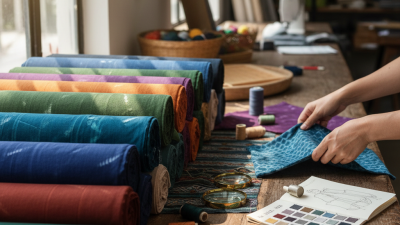
Softshell fabric often combines a stretchy outer face with a bonded or brushed inner layer, so it may not respond like a plain knit. Check the care label and test an inconspicuous area. Lay the garment on a clean, flat surface. Gently pull across both directions to find where it gives most. Don’t yank. Small movements are safer.
Work with the fabric relaxed and dry unless its care instructions say otherwise. Hold the area on both sides, then apply slow, even tension along its stretch direction. Pull only until you feel mild resistance. Pause briefly, release, and let the fabric rest. Repeat a few times, moving your hands outward to spread the force instead of concentrating it in one spot. Keep tension away from seams, pocket corners, cuffs, and closures. Those areas can distort first. It is easy to overdo it.
Check the fit after each round rather than aiming for a dramatic change. Softshell may spring back when released, and stretching cannot reliably fix shrinkage or a stiffened laminate. Stop if you hear crackling, see ripples, or notice layers separating. I would rather accept a little less room than risk weakening the fabric. Let it lie flat, then reassess once relaxed. If it still feels tight, a qualified garment repairer may be safer than stronger pulling.
How to Stretch Softshell Fabric Safely
Apply slow, even tension along the fabric’s stretch direction.
Suggested timing for a gentle swatch test—not a universal fabric specification. Use light hand tension, stop if the fabric resists, and check that it returns to shape after resting.
Allow the Fabric to Recover Flat, Then Recheck Its Dimensions
After stretching softshell fabric, lay it flat on a clean table without weights or clips. Give it time. A practical check is to wait 30 minutes, then measure the same points again with a flexible tape. Mark the original width and length lightly, or record them before testing. Keep the fabric dry and at room temperature; moisture and heat can affect some laminated or elastane-containing materials. The 30-minute pause is a workshop check, not a universal standard. If the panel still looks rippled, wait longer rather than pulling it flat.
Textile Exchange’s 2024 Materials Market Report estimates that global fiber production reached 124 million tonnes in 2023. That figure does not predict how one softshell will recover: backing, finish, and fiber blend all matter. ISO 20932-1:2018 describes methods for measuring textile elasticity, but a home check is less controlled. Be consistent. Measure without tugging, and compare the relaxed dimensions with your original notes. If the size keeps changing between checks, your test conditions may be uneven—or the fabric may not fully recover. That part is easy to miss.