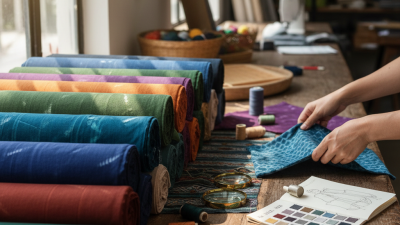
Dyeing Stripes On Fabric for bulk orders requires more than selecting two attractive colors. It demands controlled preparation, repeatable chemistry, and careful production planning. A stripe can shift when fabric tension changes, dye uptake varies, or the drying temperature moves slightly. Small errors become highly visible across thousands of meters.
The global fiber industry produced about 124 million tonnes in 2023, according to Textile Exchange’s Materials Market Report 2024. That volume highlights the pressure on mills to improve consistency, resource efficiency, and traceability. Grand View Research also estimates that the global textile dyes market will continue expanding through 2030. Buyers now expect stable shades, reliable colorfastness, and documented processes, not merely a successful laboratory sample.
S. M. Burkinshaw, author of Chemical Principles of Synthetic Fibre Dyeing, defines dyeing as “the coloration of a textile material.” The definition sounds simple. Production is not. For bulk striped fabric, technicians must confirm fiber composition, stripe width, dye class, liquor ratio, and wash-off performance before approval. A practical trial should show the fabric moving through the machine, not resting perfectly flat on a table. That detail is often overlooked.
This guide explains how to prepare, dye, inspect, and scale striped fabric without losing visual balance. It also examines common failures, including bleeding at stripe boundaries and uneven repeat alignment. Some recommendations may need adjustment. Every mill has different equipment, water chemistry, and operator experience. That uncertainty deserves attention, because a process that works beautifully today may still fail during a larger production run.
Choosing the right fabric comes before selecting the dye. Cotton usually accepts fiber-reactive dyes with strong wash durability. Polyester requires disperse dyes and controlled heat fixation. Blended fabrics are less predictable. Their fibers may absorb color at different rates. Textile Exchange’s Materials Market Report 2024 estimates global fiber production reached 124 million tonnes in 2023. This scale makes material efficiency important during bulk development. A small shade error can create thousands of rejected meters.
Define the stripe repeat, width, direction, and placement before sampling. For example, specify a 12-millimeter navy stripe beside a 4-millimeter cream stripe. Record tolerances, such as ±1 millimeter for stripe width. Request lab dips, wash tests, and lightfastness checks before approving production. ISO 105-C06 is commonly used to assess colorfastness to domestic and commercial laundering. The easy assumption is that a successful sample guarantees bulk consistency. It does not. Machine tension, dye-bath movement, and fabric moisture can change the final appearance.
Tips: Keep one approved reference swatch from every dye lot. Photograph stripes under neutral lighting. Test the fabric after washing, pressing, and cutting. Ask the dye house to document temperature, time, pH, and liquor ratio. For recycled or mixed fibers, allow extra sampling time. A visually attractive stripe may still fail rubbing tests. That detail is easy to miss.
How To Dye Stripes On Fabric For Bulk Orders?
Preparing the fabric correctly controls shade variation and stripe accuracy. Start by checking fiber content, fabric weight, width, moisture, and shrinkage. Record these results for every production lot. Textile Exchange’s 2024 Materials Market Report states that global fiber production reached 124 million tonnes in 2023. That scale makes waste prevention essential during bulk preparation.
Scour and pre-shrink the fabric using the planned production recipe. Then inspect it under consistent lighting. Remove oil marks, loose fibers, and weaving defects before layout. Measure twice. Keep samples.
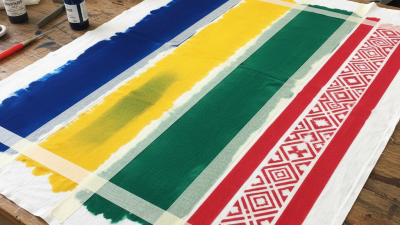
For stripe design, mark the fabric grain and define the stripe repeat in millimeters. Divide the repeat across the usable width, not the nominal width. This prevents uneven side stripes after cutting. A 60-millimeter repeat may shift when fabric relaxes, so test it after washing and drying. Place registration marks along both selvedges. They help operators align screens, rollers, or resist sections accurately.
Prepare a small trial roll before approving thousands of meters. Compare the center, edges, and beginning of the roll. Color measurement should follow a documented light source and agreed ΔE tolerance, consistent with professional color evaluation practices described by AATCC EP9. I still find that a visually attractive sample can fail after finishing. That mistake is expensive. Review shrinkage, crocking, and wash fastness before scaling. Also record dye-bath temperature, timing, pH, and fabric speed. A missing entry can make a repeat order surprisingly difficult.
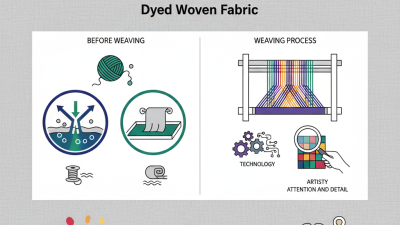
Industrial stripe dyeing starts with fiber selection and controlled fabric preparation. Cotton usually needs scouring and bleaching before reactive dye application. Polyester requires disperse dyes and higher fixation temperatures. The wrong dye system can create weak color and poor washing performance.
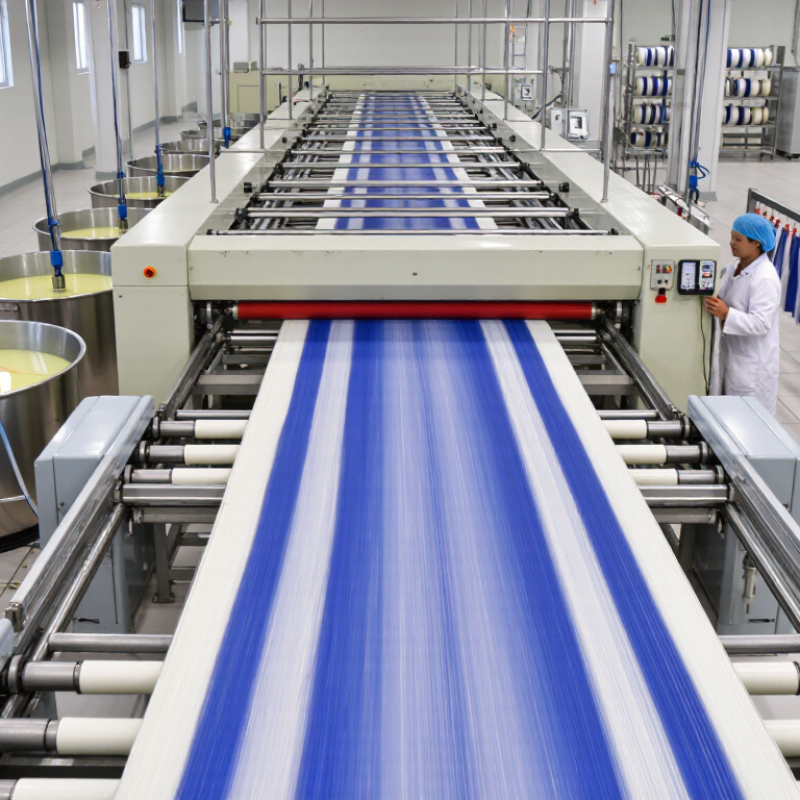
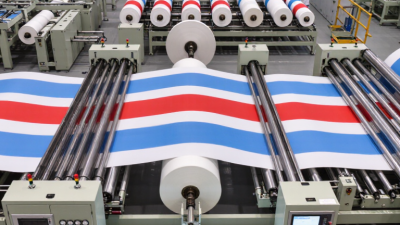
For bulk production, a rotary screen or engraved roller applies each stripe continuously. The design file must define stripe width, spacing, and color sequence precisely. During a trial run, technicians check fabric tension, screen alignment, dye viscosity, and machine speed. Even a small tension change can shift a stripe by several millimeters. That matters.
After application, the fabric enters steaming or heat fixation, depending on the fiber and dye type. A controlled washing stage removes unfixed color without dulling the stripes. Operators should inspect the first rolls under daylight and standard artificial light. They can measure shade differences with a spectrophotometer and check stripe edges for bleeding.
Bulk orders need documented settings, retained samples, and lot-by-lot inspection. Experienced teams also monitor moisture, drying temperature, and fabric shrinkage. Some defects appear only after washing. That is easy to overlook. A practical production plan leaves room for adjustment because the first industrial trial may not match the laboratory sample perfectly.
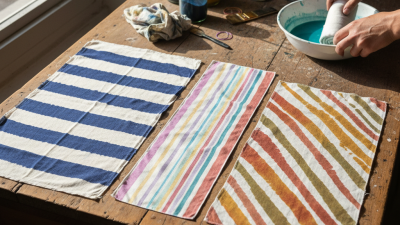
After dyeing striped fabric, rinse each batch with cool or lukewarm water until the runoff looks nearly clear. Keep the water flow gentle to protect sharp stripe edges. For cotton, a mild detergent can remove loose dye from the surface. Follow the dye supplier’s fiber instructions carefully. Heat and chemicals vary by fabric type. Test one sample first.
Bulk orders need consistent checking. Compare rinsed swatches under daylight, not only under factory lights. Record water temperature, rinse time, and detergent amount for every lot. Small differences can change stripe brightness. I have seen a batch look perfect when wet, then appear noticeably lighter after drying. That mistake is easy to miss.
Dry the fabric evenly, without folding damp layers together. A low-temperature dryer may suit some fibers, while air drying protects others. Set the color only with a compatible method, such as controlled heat or steaming. Never assume higher heat creates better permanence. It can shrink fabric or blur the stripe boundaries. After treatment, wash a test piece, rub it with a white cloth, and inspect color transfer. Results may still vary across fiber blends, so allow time for another adjustment before approving full production.
A practical process profile for reactive-dyed cotton stripes. Rinsing removes unfixed dye, drying prepares the fabric for finishing, and heat setting helps stabilize the final color and fabric dimensions.
Typical reference values: rinse at approximately 40–60°C, dry at approximately 100–120°C, and heat-set at approximately 150–180°C. Actual settings should be confirmed through laboratory trials according to fiber content, dye class, fabric weight, and production equipment.
Bulk stripe dyeing starts with controlled inspection, not packing. Check stripe width, color alignment, surface marks, and roll tension under neutral lighting. Measure every production lot against the approved lab dip and stripe map. Small shifts can become obvious across a long garment panel. The 2024 Textile Exchange Materials Market Report recorded global fiber production at 124 million metric tonnes in 2023. That scale makes traceability essential, especially when several dye lots serve one order. Record machine settings, batch numbers, fabric weight, and operator observations.
Testing must imitate real handling. Use AATCC 8 for dry and wet crocking, and ISO 105-C06 for domestic and commercial laundering colorfastness. Test both dark stripes and pale grounds. They may behave differently. Check shrinkage after washing, skew, pilling, and dimensional stability before release. Our first inspection is not always right. Rechecking a questionable roll can prevent expensive rework. Lab results also need context; a pass result cannot replace careful visual review.
Tips: Cut samples from the beginning, middle, and end of each roll. Photograph stripe registration beside a calibrated ruler. Pack rolls with waterproof wrapping, clear lot labels, and matching inspection records. Separate different dye lots. Do not stack heavy rolls on delicate surfaces. Leave enough space for barcode scanning. One overlooked label can slow an entire shipment.