How to Choose Recycled Nylon Fabric for Sustainable Fashion?
In recent years, the fashion industry has faced increasing scrutiny regarding sustainability. As consumers demand eco-friendly options, brands are exploring materials like Recycled Nylon Fabric. Data from the Textile Exchange indicates that the global recycled nylon market is projected to grow significantly, reaching a value of $10 billion by 2027. This shift shows a rising recognition of the environmental impact of traditional textile production.
Recycled Nylon Fabric, derived from post-consumer waste, offers a compelling alternative. It requires 80% less water and reduces greenhouse gas emissions by 90% compared to virgin nylon production. Yet, not all recycled fabrics are created equal. Some brands may prioritize profit over genuine sustainability, leading to greenwashing—when brands mislead consumers about their environmental efforts.
Choosing the right recycled nylon often requires careful consideration. Key factors include origin, production processes, and certifications. Shoppers should be aware that while recycled options exist, quality and durability may vary. As the industry evolves, ongoing evaluation of recycled materials' life cycle will be essential to ensure true sustainability in fashion.

Understanding Recycled Nylon Fabric: An Introduction to Sustainable Materials
Recycled nylon fabric is gaining traction in sustainable fashion. It offers an eco-friendly alternative to traditional nylon. Made from post-consumer waste, this material reduces landfill contributions. It also conserves natural resources. However, understanding its properties is essential.
To choose the right recycled nylon, assess its origin. Fabrics sourced from discarded fishing nets or industrial plastic are ideal. Look for certifications verifying the recycling process. These endorsements enhance reliability. Consider the fabric's texture and durability. Some recycled options may feel less robust.
Fashion designers often grapple with sourcing sustainable materials. It's challenging to balance quality and eco-friendliness. Each choice has potential weaknesses. Sometimes, recycled nylon lacks the sheen of virgin nylon. Be prepared for variations in feel and appearance. Reflecting on these aspects can lead to better decisions in ethical fashion.
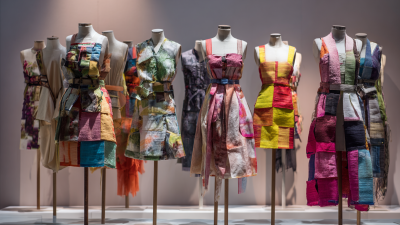
Recycled Nylon Fabric Usage in Sustainable Fashion
Key Characteristics to Look for in Recycled Nylon Fabrics
When selecting recycled nylon fabric, it is crucial to consider key characteristics. Look for durability and resiliency. Quality recycled nylon should resist wear and tear. Fabrics that break down quickly may compromise your garment's lifespan. Check the thickness and weight. Thicker fabrics often provide better shape retention, while lightweight options can be more suitable for activewear.
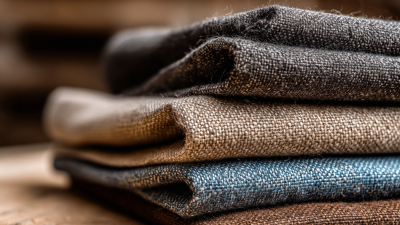
Another important factor is the texture. Some recycled nylons are smooth and soft, while others may feel rough. Choose a texture that aligns with your fashion goals. A soft fabric can enhance comfort, but it may not always be the most durable choice. Always consider how the fabric will feel against the skin.
Lastly, sustainability claims should be reviewed critically. Certifications can indicate trusted sources. However, avoid relying solely on labels. Conducting research on the process used to recycle nylon is wise. Transparency in sourcing and production can often reflect a brand’s true commitment to sustainability. This approach helps in making informed decisions, fostering a responsible fashion industry.
Evaluating the Environmental Impact of Recycled Nylon Production
Recycled nylon fabric plays a significant role in sustainable fashion. Understanding its environmental impact is essential. According to the Textile Exchange's 2021 Sustainability Report, producing recycled nylon uses approximately 90% less water than virgin nylon. This substantial reduction means fewer resources are strained in the production process.
However, the production of recycled nylon isn't without challenges. The process can release microplastics into the environment, impacting marine life. An estimated 2.2 million tons of plastic pollution end up in oceans each year. It's crucial to source recycled nylon that employs advanced filtration systems to minimize this risk.
Furthermore, energy consumption is a concern. While recycled nylon requires less energy than virgin materials, the carbon footprint remains significant. The Global Fashion Agenda has highlighted that shifting to 100% recycled materials could cut greenhouse gas emissions by up to 50%. We must carefully evaluate the manufacturing processes of recycled fabrics. Sustainable practices are essential for truly eco-friendly options in fashion.
Comparison of Recycled Nylon with Other Sustainable Fabrics
Recycled nylon fabric has gained attention in sustainable fashion. It is made from post-consumer waste like fishing nets and fabric scraps. This process reduces landfill waste and conserves resources. Comparing recycled nylon to other sustainable fabrics reveals both advantages and drawbacks.
Cotton is a popular alternative, but it requires vast amounts of water. In contrast, recycled nylon uses less water in its production. However, recycled nylon can come with concerns about durability. Some may question whether it can withstand regular wear. Sourcing practices can vary, making transparency essential.
Choosing recycled nylon involves careful consideration. Look for certifications that prove the fabric's sustainability. Investigate the supply chain to ensure ethical sourcing. Opt for brands committed to transparency in their processes. Remember, not all recycled materials are created equal.
Tips: Pay attention to fabric care. This may affect the longevity of your garment. Evaluate the brand's overall environmental impact. Consider your buying habits and their alignment with sustainability values. Each decision contributes to a larger goal of fashion sustainability.
Best Practices for Sourcing Recycled Nylon in Fashion Design
When sourcing recycled nylon fabric for sustainable fashion, it’s crucial to embrace best practices. Recycled nylon mainly comes from post-consumer waste and industrial scraps, turning pollution into resource. The Global Recycling Foundation states that recycling one ton of nylon can save up to 7.5 barrels of oil, highlighting the environmental benefits.
Evaluating suppliers is key. Look for those who share transparency in their sourcing methods. Verify whether they adhere to industry standards like the Global Recycled Standard (GRS). This certification ensures that the recycled content is accurately tracked and verified. Reports indicate that 60% of consumers prefer brands with clear sustainability practices. Brands must acknowledge this trend and adapt.
Quality control is vital yet often overlooked. Some recycled fabrics may compromise durability. It's essential to test fabrics for performance and longevity. Conducting wear tests can help identify potential issues. Reflecting on the balance between sustainability and quality is necessary. There’s a constant challenge of meeting consumer demands while ensuring responsible sourcing.