What Makes Yarn Dyed Cotton Fabric Ideal for Global Buyers?
Yarn Dyed Cotton Fabric has gained significant attention among global buyers. This fabric stands out due to its vibrant colors and superior quality. As textile expert Dr. Lydia Chen states, "Yarn dyed fabrics maintain their brilliance and longevity, making them a top choice for fashionable apparel."
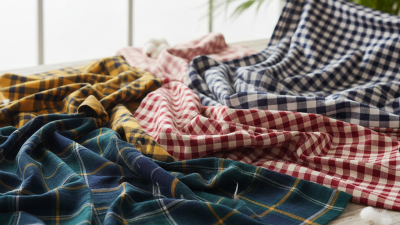
The process of yarn dyeing infuses color into the fabric at its core. This ensures that colors remain vibrant even after multiple washes. Buyers appreciate the durability and aesthetic appeal of such fabrics. Brands can offer varied designs without compromising quality.
However, the market does face challenges. Sourcing high-quality raw cotton is essential but sometimes difficult. Additionally, the dyeing process can have environmental impacts that need to be addressed. Reflecting on these issues can lead to more sustainable practices in the yarn-dyed cotton industry. Emphasizing both quality and responsibility is crucial for long-term success.
Benefits of Yarn Dyed Cotton Fabric for Global Market Accessibility
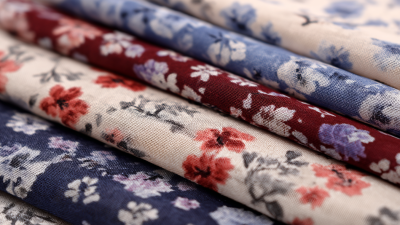
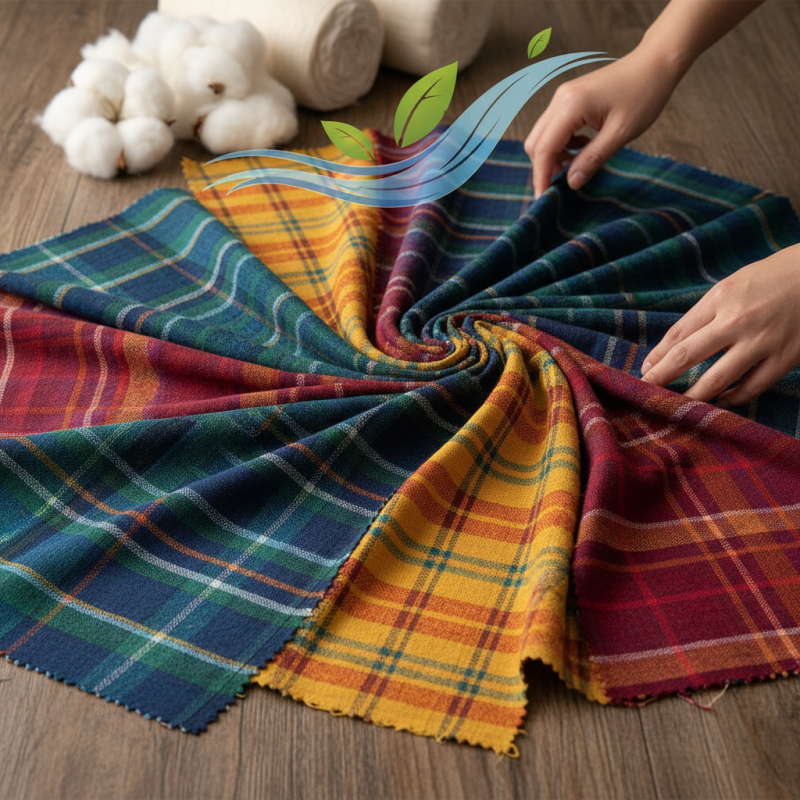
Yarn dyed cotton fabric is truly a favorite among global buyers due to its numerous benefits. This fabric type is celebrated for its vibrant colors and long-lasting durability. The dyeing process happens before weaving, resulting in colors that penetrate deeply into the fibers. This characteristic ensures the fabric retains its brightness, even after multiple washes.
When considering yarn dyed cotton fabric, buyers can enjoy enhanced design possibilities. With a wide range of color combinations, this fabric suits diverse fashion trends. The fabric’s textured appearance adds depth to products. Additionally, its breathability makes it perfect for various climates, appealing to a global audience.
**Tip:** Always examine colorfastness. Testing a small swatch can prevent dissatisfaction later.
Moreover, sustainability plays a crucial role in the fabric's appeal. Yarn dyed cotton is often woven from natural fibers, making it a more eco-friendly option. This aspect aligns well with the growing demand for sustainable products in the market. However, sourcing and production practices can vary, prompting a careful look at suppliers' ethics.
**Tip:** Look for certifications that indicate sustainability practices.
Global buyers appreciate versatility, and yarn dyed cotton delivers. From home textiles to fashion apparel, this fabric adapts to various uses. Though its benefits are numerous, the market can be competitive. Thus, buyers must stay informed about trends and innovations in fabric technology.
Quality and Durability: Key Attributes of Yarn Dyed Cotton Fabric
Yarn dyed cotton fabric has surged in popularity among global buyers, primarily due to its quality and durability. This fabric, crafted by dyeing yarn before weaving, offers deeper colors and greater resistance to fading. According to textile industry reports, dyed fibers retain their vibrancy even after multiple washes, leading to a longer lifespan. This durability proves essential for manufacturers aiming to reduce waste and boost sustainability.
In addition to its robust qualities, yarn dyed cotton is versatile, making it suitable for various applications, from apparel to home textiles. A recent survey showed that buyers prioritize fabric longevity, with over 70% indicating that durability directly influences their purchasing decisions. The meticulous dyeing process allows for intricate patterns and textures, adding visual appeal and marketability to the final products.
Tips for selecting the right yarn dyed cotton fabric: Always check the thread count, as higher counts indicate better quality. It’s also wise to read reviews and seek samples before making bulk purchases. Consider the environmental impact too; opting for sustainably sourced cotton can enhance your brand's reputation. Remember, the choice of fabric can significantly impact consumer satisfaction and loyalty.
Versatile Applications of Yarn Dyed Cotton in Fashion and Home Textiles
Yarn dyed cotton fabric has gained significant traction in the fashion and home textile industries. This popularity stems from its vibrant colors and unique patterns, offering versatility in various applications. According to a report by the Global Textile Industry, the market for cotton fabrics is projected to reach $95 billion by 2027, with yarn dyed options making up a considerable segment.
In the fashion sector, yarn dyed cotton is ideal for creating garments that stand out. Brands increasingly favor this type of fabric for dresses, shirts, and accessories. A survey by the Cotton Incorporated Lifestyle Monitor™ indicates that 74% of consumers prefer cotton for its comfort and breathability. The fabric's ability to retain color intensity after multiple washes adds to its appeal. However, the challenge remains in ensuring eco-friendly dyeing processes to cater to sustainability-conscious buyers.
Home textiles also benefit from yarn dyed cotton. Curtains, upholstery, and bed linens showcase its rich hues and patterns. The forecast for home textiles indicates a steady growth rate of 4.5% from 2023 to 2028 in premium segments. Yet, not all buyers consider durability and maintenance. Some yarn dyed cotton fabrics may fade over time, leading to a potential disconnect between expectation and reality. This invites reflection on improving the dyeing techniques used in production.
What Makes Yarn Dyed Cotton Fabric Ideal for Global Buyers?
Sustainability Aspects of Yarn Dyed Cotton Fabric Production and Use
Yarn dyed cotton fabric stands out in the textile industry, particularly for its sustainability. The production process reduces water usage by up to 50% compared to traditional dyeing methods. This significant reduction is vital, especially when considering the textile industry's global water consumption, which accounts for approximately 20% of industrial water pollution.
Cotton, being a natural fiber, is biodegradable. When discarded, it decomposes more quickly than synthetic fabrics, lessening its environmental impact. According to the Global Cotton Sustainability Index, cotton farming now embraces more eco-friendly practices, promoting organic cultivation and minimizing chemical use. This shift signals a responsible approach to sourcing raw materials.
Tips: Always check for certifications. Look for organic and eco-friendly labels. They indicate sustainable practices in production. Also, consider the lifecycle of the fabric. It’s essential to opt for products that prioritize longevity and recyclability. With awareness, consumers can make choices that support a greener planet while enjoying high-quality textiles.
Trends Driving Global Demand for Yarn Dyed Cotton Fabrics
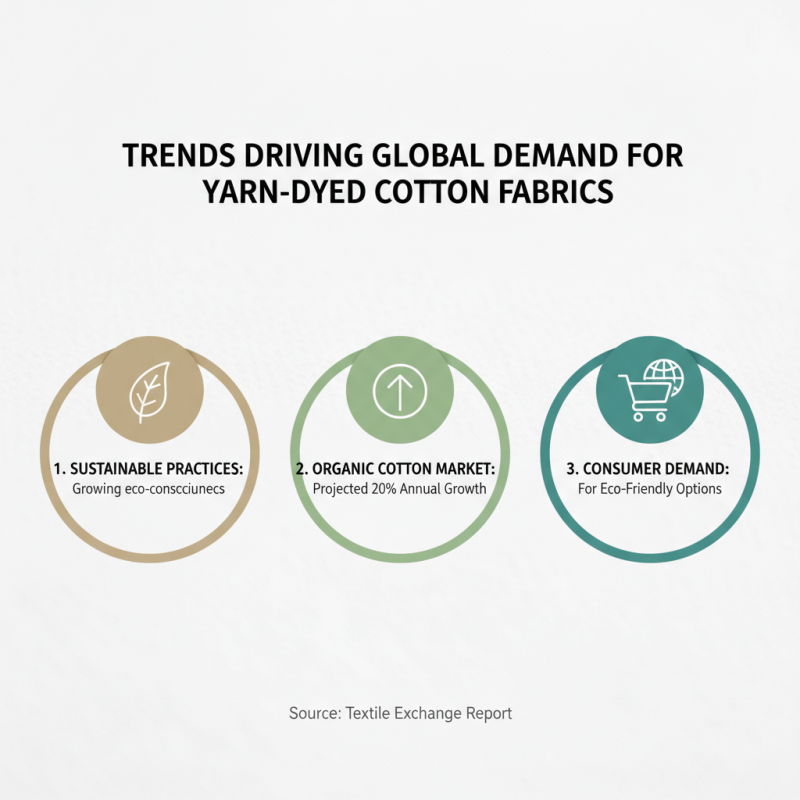
Yarn dyed cotton fabrics are increasingly popular among global buyers. The demand is influenced by various trends, including the rising awareness of sustainable practices. According to a report from the Textile Exchange, the organic cotton market is projected to grow by 20% annually. Consumers are seeking eco-friendly options that reduce environmental impact.
Another key factor is the versatility of yarn dyed fabrics. They can be utilized in fashion, home textiles, and other industries. A survey by Market Research Future indicates that the global market for cotton fabrics is expected to reach $150 billion by 2025. This growth aligns with the trend of personalization. Brands are shifting towards unique, customized products to attract niche markets.
**Tips:** Consider the type of dyeing techniques that appeal to your target audience. Exploring traditional methods can enhance the appeal of the final product. Stay informed about current trends to remain competitive in this evolving market. Continuously assess buyer preferences to adapt accordingly.