Unlocking Sustainability: The Transformative Advantages of Recycled Canvas Fabric in Modern Fashion
In recent years, the fashion industry has faced increasing scrutiny over its environmental impact, prompting a shift towards more sustainable practices. One of the most promising innovations in this movement is the use of Recycled Canvas Fabric. This material, derived from waste textiles, not only reduces landfill contributions but also lowers the consumption of raw resources, making it a beacon of hope for eco-conscious designers and consumers alike.
By harnessing the potential of Recycled Canvas Fabric, brands can embrace a more circular economy, transforming waste into high-quality, stylish products that resonate with modern values. This article explores the transformative advantages that Recycled Canvas Fabric brings to contemporary fashion, highlighting how it fosters creativity while promoting sustainability and ethical production practices.
In doing so, we aim to illuminate the path towards a more responsible and innovative future in fashion.
The Environmental Impact of Traditional Fabrics in Fashion
The environmental impact of traditional fabrics in fashion is significant, with the production processes contributing to pollution and resource depletion. Conventional materials like cotton and polyester require vast amounts of water and energy, resulting in greenhouse gas emissions and waste. For instance, it takes approximately 7,000 liters of water to produce just one kilogram of cotton, highlighting the industry's heavy reliance on natural resources. Additionally, the dyeing and finishing processes often involve toxic chemicals that contaminate waterways, posing threats to marine life and ecosystems.
Tips for Sustainable Fashion Choices:
- Opt for brands that prioritize eco-friendly materials, like recycled canvas, which utilize less water and energy during production.
- Embrace second-hand fashion; thrift shopping decreases demand for new fabrics and helps reduce waste.
- Look for clothing with certifications that indicate sustainable practices, ensuring your purchases contribute positively to the environment.
Transitioning to sustainable practices can not only mitigate the adverse effects associated with traditional fabrics but also promote a more responsible fashion industry. By choosing alternatives that prioritize environmental health, consumers can play a crucial role in diminishing the negative footprint of their wardrobe.
Recycled Canvas Fabric: A Sustainable Alternative to Fast Fashion
Recycled canvas fabric serves as a remarkable sustainable alternative to fast fashion, aligning with the urgent need to revolutionize the clothing industry. Data shows that the textile industry contributes to approximately 10% of global carbon emissions, making the shift towards eco-friendly materials essential for reducing environmental impact. By utilizing recycled canvas, which repurposes existing materials rather than relying on virgin resources, brands can significantly lower waste and emissions associated with production processes.
The movement towards sustainability is not only about the fabrics used but also the underlying systems of production. Reports indicate that embracing a circular economy in textiles could potentially cut down fashion waste by up to 80%. This is achievable through innovative recycling technologies and design practices that focus on sustainability from the outset. As more brands commit to using sustainable materials, recycled canvas is proving to be a vital player in the transformation of the fashion landscape, paving the way for a more environmentally responsible approach to clothing production.
Economic Benefits of Using Recycled Materials in Apparel Production
The use of recycled materials in apparel production presents significant economic benefits that are increasingly recognized in the fashion industry. According to a report by McKinsey & Company, the sustainable fashion market could reach $8.25 billion by 2025, driven largely by consumer demand for eco-friendly products. Brands that integrate recycled materials, such as recycled canvas fabric, into their production processes not only reduce material costs but also tap into a growing market of environmentally conscious consumers. Additionally, using recycled materials can lower production expenses by approximately 30%, as they can often be sourced for less than virgin materials.
Furthermore, transitioning to recycled canvas fabric can enhance brand loyalty and customer engagement. A survey conducted by Nielsen indicates that 66% of global consumers are willing to pay more for sustainable brands. This shift not only attracts new customers but also fosters a strong emotional connection with existing ones, as consumers increasingly prioritize brands that align with their values. Importantly, as companies embrace sustainability, they can significantly reduce their carbon footprints and overall environmental impact, which positions them favorably in a competitive marketplace that is shifting towards sustainability.
Consumer Trends: The Growing Demand for Eco-Friendly Fashion
As sustainability becomes a focal point in consumer decision-making, the demand for
eco-friendly fashion is experiencing a significant surge.
According to a recent report by McKinsey, 67% of consumers consider the use of
sustainable materials to be a key factor in their purchasing decisions. This shift is
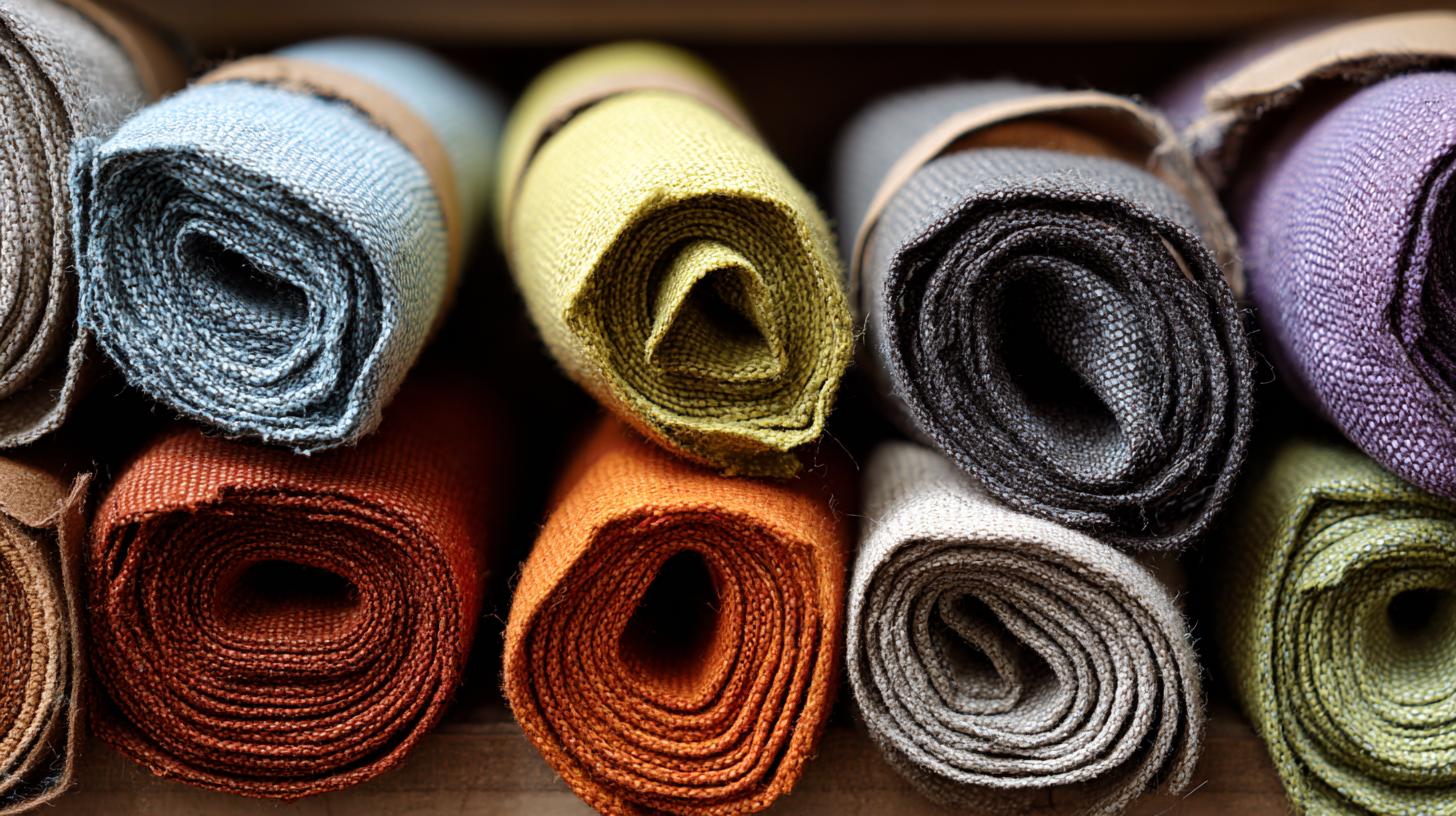
particularly evident in the growing popularity of recycled canvas fabric,
which offers not only an environmentally friendly alternative to conventional textiles but also
the versatility and durability that modern fashion demands.
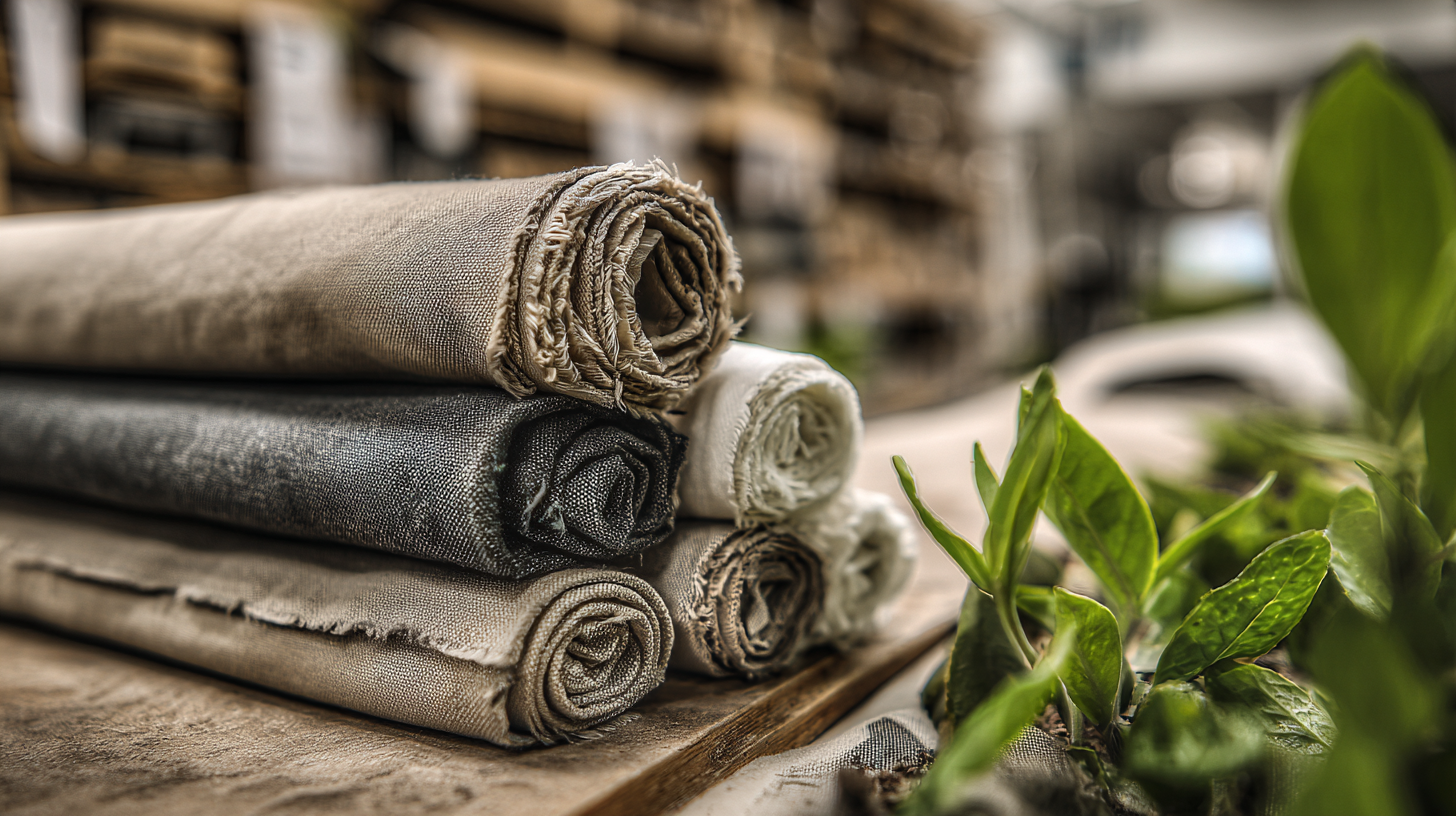
Brands are responding to this trend by integrating recycled canvas into their collections.
A survey by Nielsen indicates that 73% of global millennials
are willing to pay more for sustainable products, highlighting the lucrative potential for
companies that prioritize eco-conscious materials.
Additionally, the global sustainable fashion market is projected to reach
$8.25 billion by 2023, driven by a newfound
consumer focus on ethical practices. The adoption of recycled canvas fabric not only reduces
waste but also demonstrates a brand's commitment to sustainability, catering to a market
that increasingly values eco-friendly initiatives and seeks to make a positive environmental
impact through their fashion choices.
Innovative Design Possibilities with Recycled Canvas Fabric
Recycled canvas fabric is revolutionizing the fashion industry by offering innovative design possibilities that align with sustainability principles. According to a 2021 report by the Textile Exchange, the use of recycled textiles can reduce carbon emissions by approximately 45% compared to virgin materials. This significant reduction not only addresses environmental concerns but also provides designers with unique aesthetic choices. The texture and durability of recycled canvas facilitate a harmonious blend of function and style, making it an attractive option for brands aiming to implement eco-conscious practices.
Moreover, the versatility of recycled canvas allows for a myriad of design applications, from chic handbags to sturdy apparel. With the global demand for sustainable fashion reaching $8.25 billion by 2024, as reported by Grand View Research, brands that leverage recycled materials can tap into a growing market of environmentally aware consumers. By creatively integrating recycled canvas into their collections, designers can showcase their commitment to sustainability while exploring bold patterns and colors, thereby transforming the traditional canvas into a canvas of endless possibilities.
Unlocking Sustainability: The Impact of Recycled Canvas Fabric in Modern Fashion
This chart illustrates the various environmental benefits associated with the use of recycled canvas fabric in modern fashion, highlighting significant improvements in waste reduction, water savings, energy savings, and carbon footprint reduction.