2025 Top 5 Trends in Space Dye Fabric You Need to Know
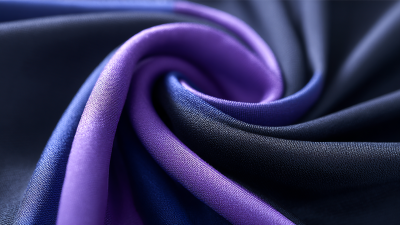
As we approach 2025, the textile industry is witnessing a significant shift towards innovative materials that enhance both aesthetics and functionality. One of the most captivating advancements in this domain is the emergence of Space Dye Fabric, a technique that creates multi-colored patterns through a unique dyeing process. According to a report by Research and Markets, the global fabric dyeing market is projected to reach $2.5 billion by 2026, with space dyeing techniques playing a crucial role in driving this growth.
The adaptability of Space Dye Fabric not only allows for a wide range of colors and designs but also caters to evolving consumer preferences for personalization and sustainable fashion. A recent survey by Textile World indicated that over 60% of consumers are willing to pay a premium for customized fabric options, highlighting the increasing demand for unique textile solutions. As we explore the top trends surrounding Space Dye Fabric in 2025, it's essential to understand how this innovative material will shape the future of fashion and functional apparel, setting the standard for creativity and environmental consciousness in the textile industry.
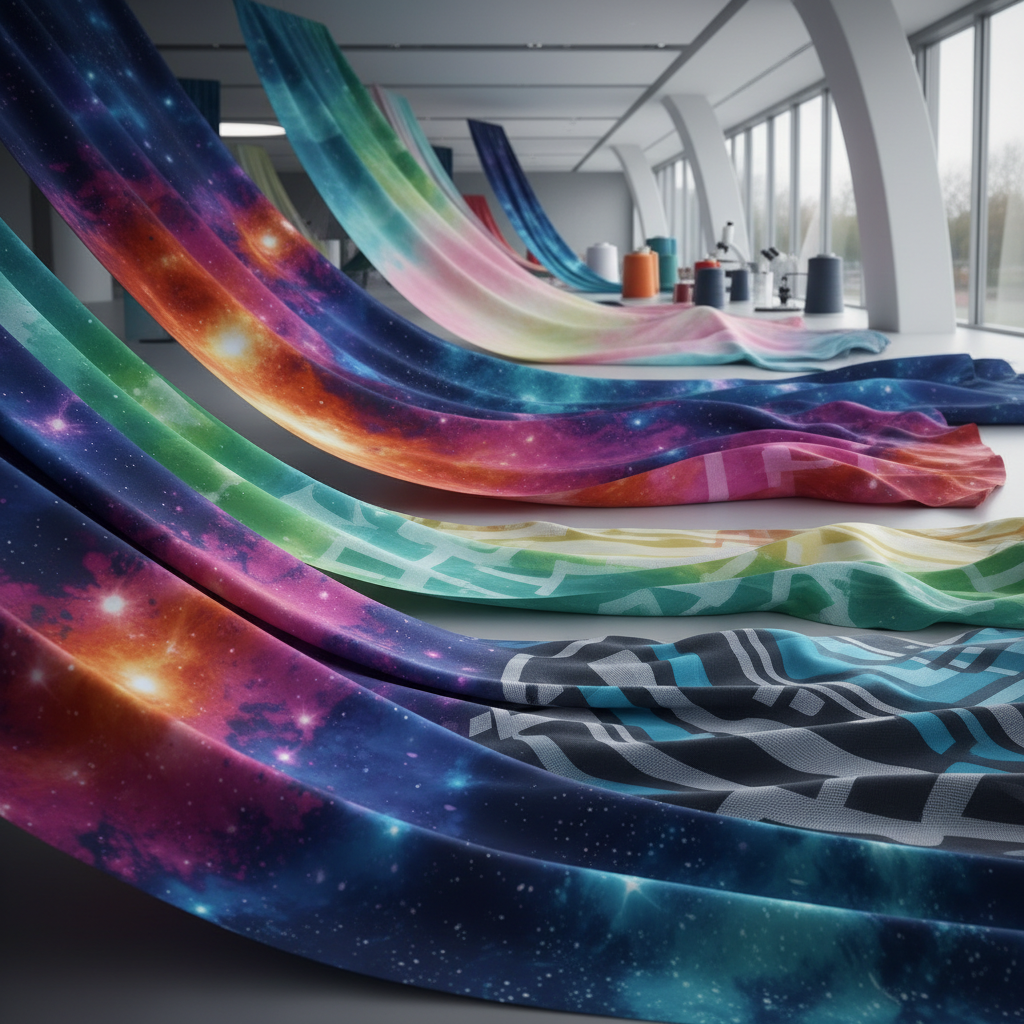
Emerging Color Techniques in Space Dye Fabric for 2025
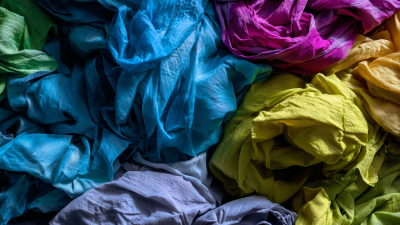
The world of space dye fabric is evolving rapidly as we approach 2025. Emerging color techniques are redefining the boundaries of textile design, offering striking patterns that combine vibrant hues and subtle gradients. According to a recent report by Technavio, the global textile industry is projected to grow at a CAGR of 4.3% from 2021 to 2025, driven in part by innovative dyeing techniques. Space dyeing allows for a unique play of colors and textures that appeals to both consumers and manufacturers alike.
One of the most exciting trends is the introduction of eco-friendly dyeing methods. Brands are increasingly adopting sustainable practices, utilizing natural dyes derived from plant-based sources. This not only reduces environmental impact but also caters to the rising consumer demand for eco-conscious products. In fact, a study by the Textile Exchange revealed that 79% of millennials are willing to pay more for sustainable fabrics, making this an essential trend to watch.
Tips: When exploring space dye fabrics, consider the versatility they offer—perfect for athleisure and casual wear. Additionally, keep an eye on brands that prioritize sustainability; they can provide not only aesthetic appeal but also align with ethical consumerism. Embrace the vibrant possibilities that 2025 holds in the realm of space dye fabric, as color innovation continues to flourish in the industry.
Sustainability Trends Shaping Space Dye Fabric Production
Sustainability is becoming a central focus in the textile industry, and space dye fabric production is no exception. With environmental concerns at the forefront of consumers' minds, manufacturers are increasingly adopting eco-friendly practices. According to a report by the Textile Exchange, 50% of global fiber production in 2021 was made from recycled materials, a figure that's expected to rise significantly by 2025. This shift represents a growing commitment to sustainable sourcing and production methods, which are crucial for reducing the carbon footprint associated with space dyeing processes.
Moreover, advancements in dyeing technology play a vital role in enhancing sustainability in space dye fabric. Innovations like digital printing and waterless dyeing techniques not only minimize waste but also drastically reduce water usage—up to 90% less compared to traditional methods, according to the Sustainable Apparel Coalition. As brands recognize the importance of these sustainable practices, consumers are becoming more informed and discerning, leading to a rise in demand for responsibly-produced space dye fabrics. The industry's commitment to sustainability is set to reshape the landscape of textile production, driving forward a new era of eco-conscious fashion.
Innovative Applications of Space Dye Fabric in Fashion and Textiles
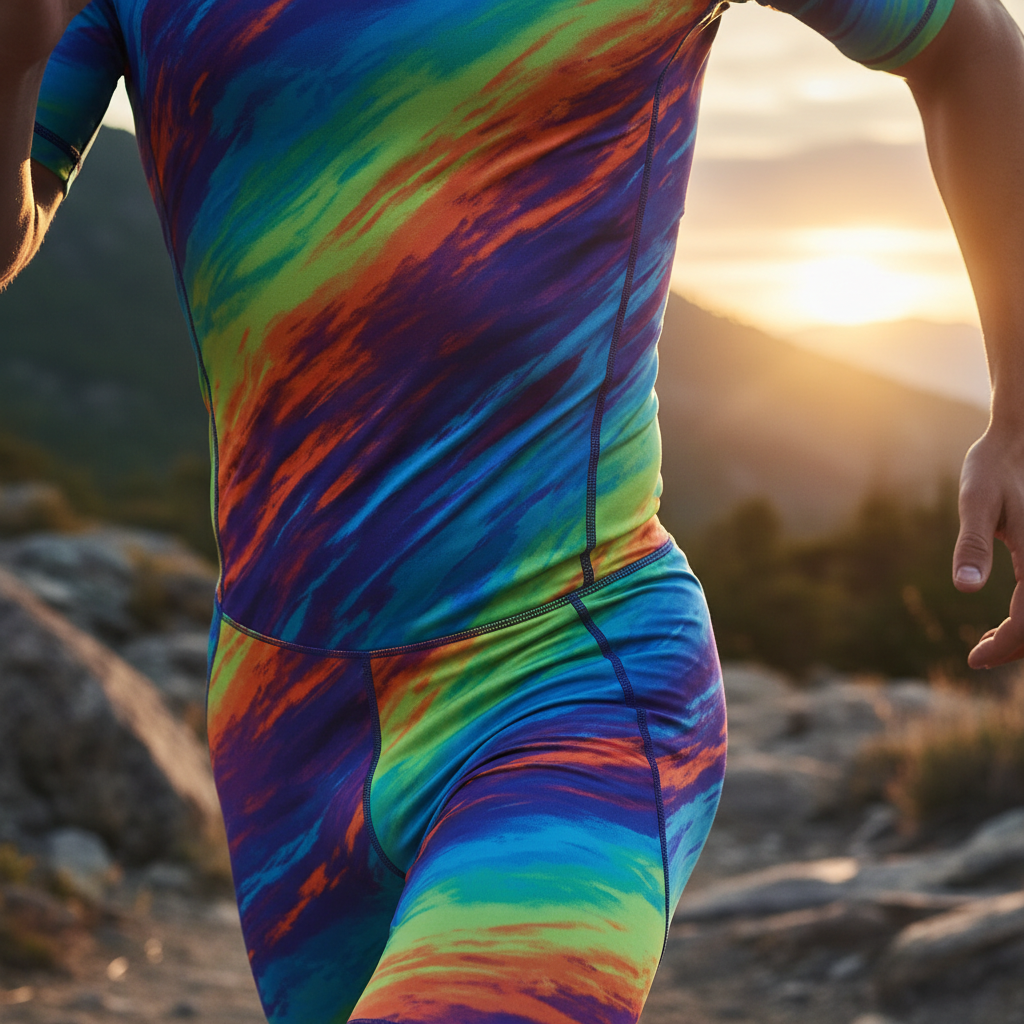
Space dye fabric is making waves in the fashion and textile industries due to its unique and innovative applications. This method of dying creates vibrant, multicolored patterns that can add depth and dimension to a variety of garments and textiles. One of the most exciting applications is in activewear, where the dynamic patterns not only enhance visual appeal but also serve a functional purpose, such as camouflage effects or ergonomic designs that complement movement. Brands are increasingly embracing this technique to differentiate their products, allowing consumers to express individuality through striking color combinations.
In addition to activewear, space dye fabric is finding its way into home textiles, such as upholstery and curtains. The ability to produce intricate, soft gradients makes it ideal for creating cozy and inviting environments. Designers appreciate the versatility of space dyeing; it can be applied to everything from luxe home decor to casual clothing. As sustainability becomes a priority in the textile industry, space dyeing methods are also evolving to use eco-friendly dyes and processes, ensuring that these vibrant fabrics not only look good but are also kinder to the planet. This innovative approach to dyeing is set to redefine the aesthetics and functionality of textiles in the coming years.
Consumer Preferences Driving the Future of Space Dye Patterns
As we approach 2025, the textile industry is witnessing a significant transformation fueled by consumer preferences, especially in the realm of space dye fabric. These patterns, characterized by their vibrant, multi-colored blends, are increasingly sought after for their dynamic aesthetics and ability to evoke emotions. Shoppers today are drawn to fabrics that not only appeal visually but also resonate with their personal style and sustainability values. The rise in eco-conscious shopping has encouraged brands to embrace space dye techniques that minimize waste while producing stunning designs, effectively marrying consumer desires with responsible manufacturing practices.
When selecting space dye fabrics, consider the following tips to make the best choice for your needs. First, pay attention to the color palette; choose shades that complement your existing wardrobe to ensure versatility. Next, evaluate the fabric’s texture and durability, as these characteristics can greatly affect your overall satisfaction. Lastly, support brands that prioritize sustainable sourcing and ethical production methods, as this aligns with a growing demand for environmentally friendly fashion.
With these insights, industry stakeholders can better navigate the evolving preferences shaping the future of space dye patterns, ensuring they remain relevant in a competitive market. The convergence of fashion and sustainability is not just a trend; it is becoming a guiding principle for both consumers and producers alike.
2025 Top 5 Trends in Space Dye Fabric
This chart illustrates the projected consumer preferences for various space dye patterns in 2025. The data represents the percentage of consumers who favor each trend.
The Role of Technology in Advancing Space Dye Fabric Designs
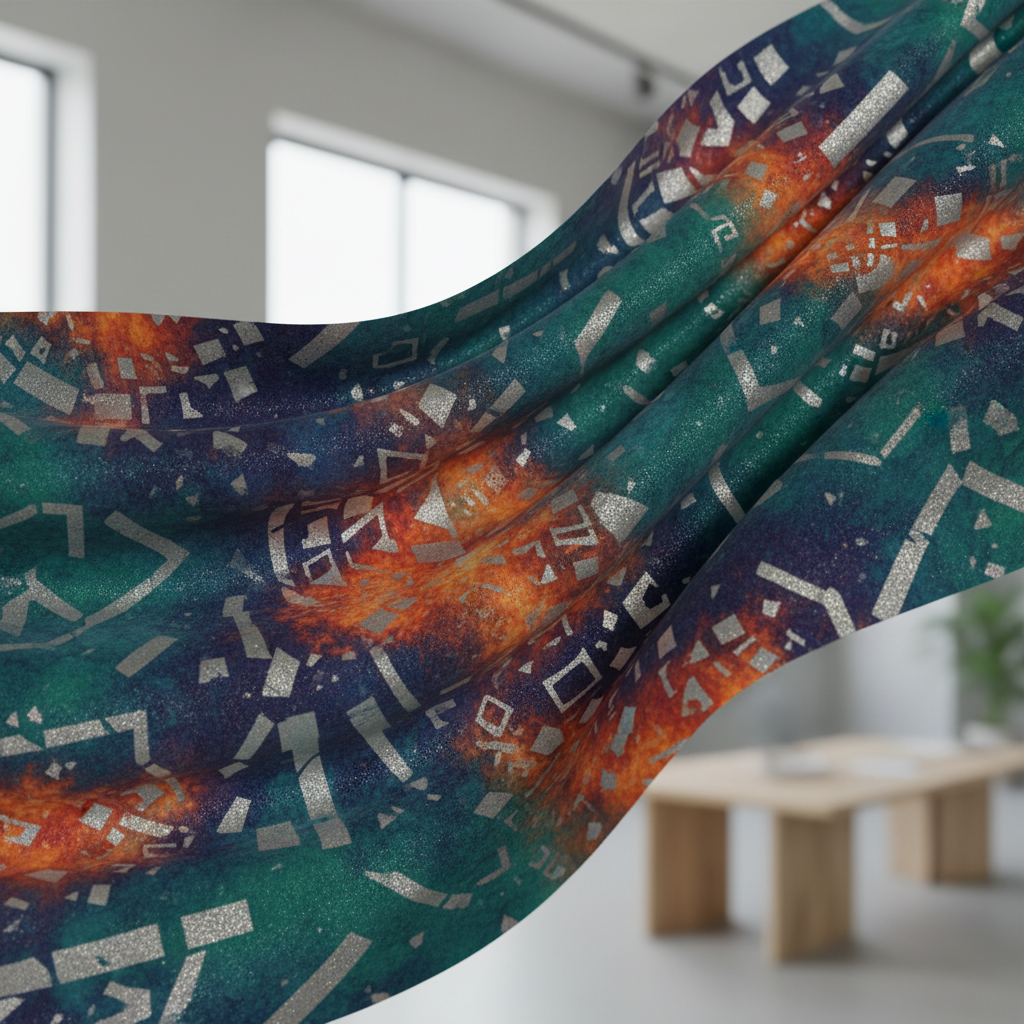
The advancements in technology have significantly influenced the evolution of space dye fabric designs, paving the way for innovative patterns and sustainable practices.
Enhanced digital printing technologies allow designers to create intricate, multi-hued patterns that were once difficult to achieve. These innovations enable the manipulation of dye patterns in real time, giving designers greater flexibility and efficiency in their creation processes.
Furthermore, the precision and reduced waste associated with digital printing contribute to more eco-friendly production methods, aligning with the industry's shift towards sustainability.
Another emerging trend in the space dye fabric market is the integration of smart textiles that incorporate technology into the fibers themselves. This can include features such as moisture-wicking, temperature regulation, or even color-changing capabilities based on environmental stimuli.
As these technologies become more advanced and accessible, they present an exciting opportunity for space dye fabrics, allowing for designs that are not only visually appealing but also functional.
This intersection of technology and fashion is set to redefine consumer expectations, driving demand for more interactive and responsive textiles in the years ahead.