Top Tips for Sourcing Space Dye Fabric Globally?
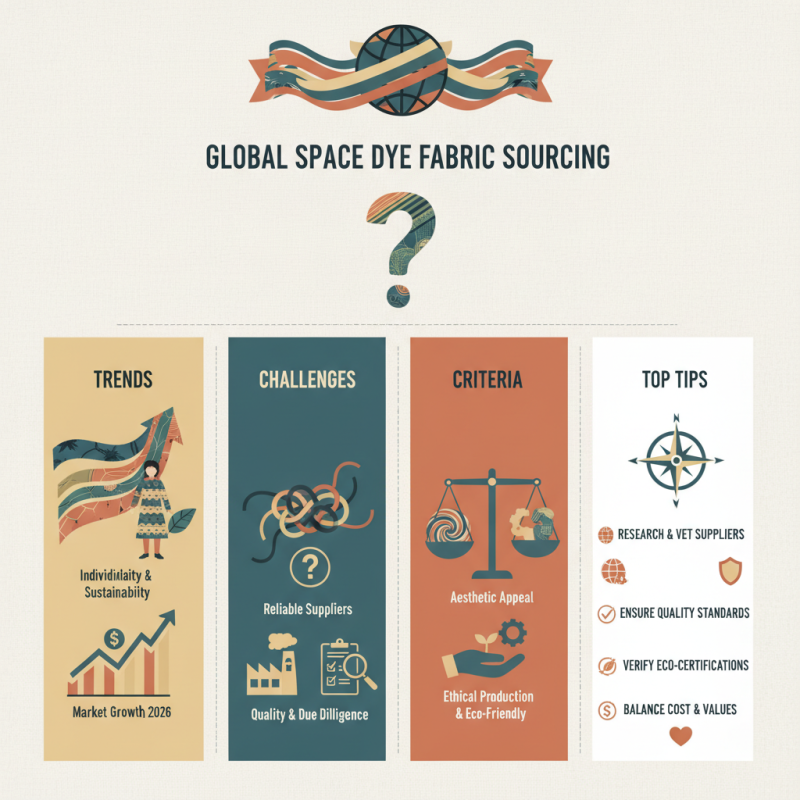
Sourcing Space Dye Fabric has become increasingly important in the textile industry. This unique fabric offers vibrant, multicolored patterns that appeal to consumers' desire for individuality. According to a recent market report by Allied Market Research, the global textile market for dyed fabrics is expected to reach $70 billion by 2026, driven by trends in fashion and interior design.
Expert in textile manufacturing, Dr. Emily Chen, emphasizes, "The demand for Space Dye Fabric reflects shifting consumer preferences towards personalization and sustainability." Many brands face challenges in finding reliable suppliers. It's essential to conduct due diligence in sourcing to ensure quality.
The market dynamics have shifted with consumer interests leaning towards eco-friendly practices. Nevertheless, not all suppliers meet these standards. As businesses explore global options, they must consider both quality and ethical production practices. Sourcing Space Dye Fabric successfully requires balancing aesthetic appeal with responsible manufacturing, a task that is often easier said than done.
Understanding Space Dye Fabric and Its Unique Characteristics
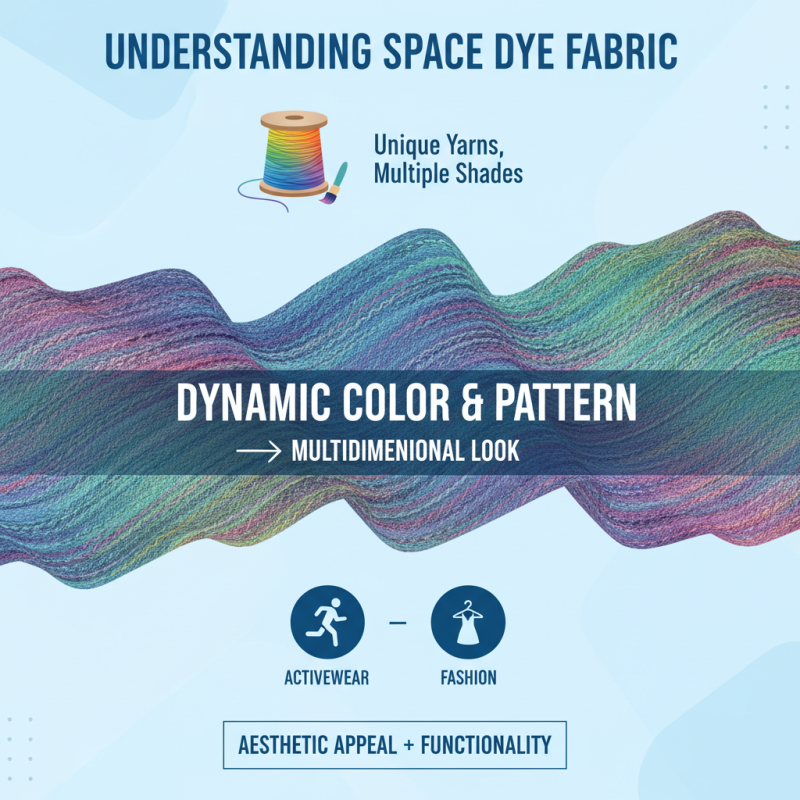
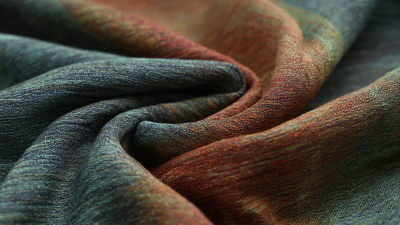
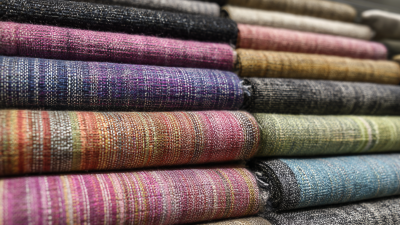
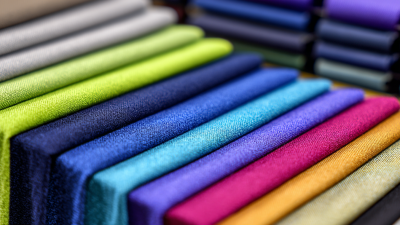
Space dye fabric is captivating due to its vibrant colors and unique patterns. The technique involves dyeing yarns using multiple shades, creating a multidimensional look. This fabric is popular in activewear and fashion, providing both aesthetic appeal and functionality.
According to a recent industry report by Research and Markets, the global textile dyeing market is projected to grow by 4.2% annually. This growth includes innovations in space dyeing technology. Fabric manufacturers are increasingly focusing on sustainable dyeing methods. However, challenges remain. Achieving color consistency across batches can be tricky, often leading to variations that upset production timelines.
Additionally, sourcing space dye fabric requires understanding both textile characteristics and market trends. Some suppliers might not provide accurate information about their dye processes. This can lead to discrepancies in quality. Buyers should actively seek out certification and transparency from manufacturers. Engaging with industry networks can provide insights into reliable suppliers and their dyeing practices. Seeking expert recommendations can help navigate these complexities effectively.
Identifying Reliable Global Suppliers for Space Dye Fabric
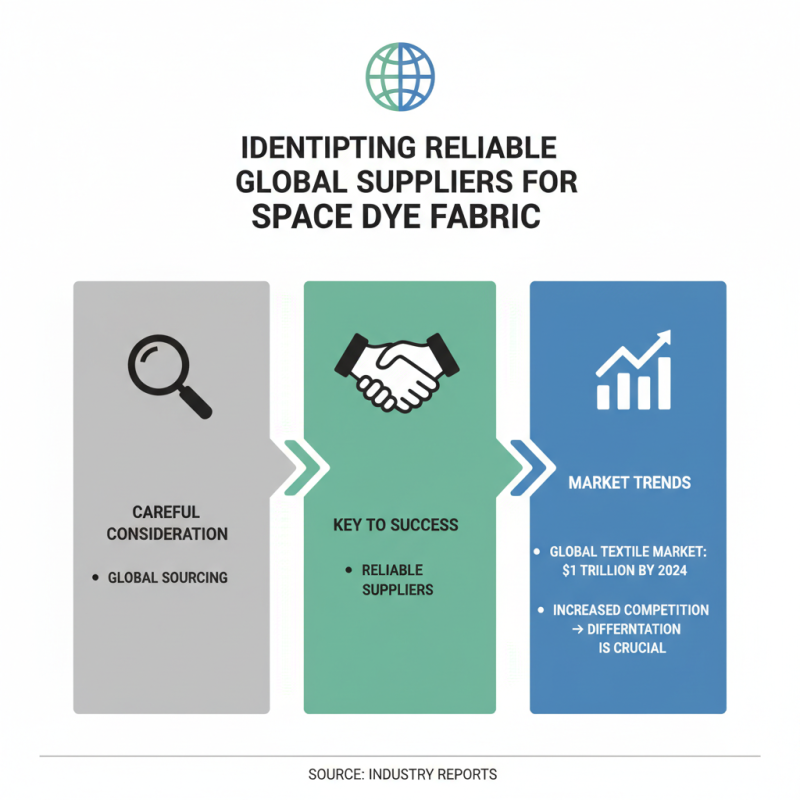
Sourcing space dye fabric globally requires careful consideration. One key to success is identifying reliable suppliers. The global textile market is projected to reach $1 trillion by 2024, according to industry reports. This growth increases competition among suppliers, making it crucial to differentiate between them.
Evaluate suppliers based on their production capabilities and quality assurance processes. Request samples to assess fabric texture and color consistency. Reliable suppliers often provide certifications, such as OEKO-TEX or GOTS. These certifications confirm adherence to environmental and safety standards. Yet, not every supplier may disclose this information openly.
Moreover, communication is vital. Engage with suppliers through multiple channels. This approach helps gauge their responsiveness and professionalism. Check online reviews and testimonials as well, but be wary of potential biases. Suppliers with a strong social media presence usually share customer feedback more transparently. Ultimately, sourcing space dye fabric involves diligence and informed choices.
Evaluating Quality Standards in Space Dye Fabric Production
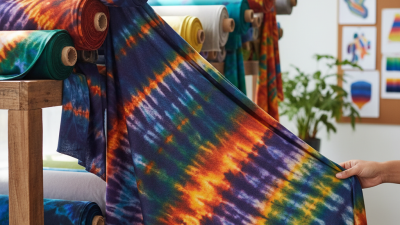
When sourcing space dye fabric globally, quality standards are paramount. It is crucial to evaluate the manufacturing processes. The artwork on the fabric often reflects the methods used. Consider the dyeing techniques employed. Are they eco-friendly?
Sustainable practices can affect not just quality but also market acceptance.
Pay close attention to the texture of the fabric. Does it feel soft against the skin? Quality fabric should have a certain heft to it. Inspect the dye penetration. Quality dyes should not fade or run easily. Poor dyeing can lead to disappointing results, especially in fashion applications.
Supplier transparency also matters. Can they provide certifications? Those documents validate their adherence to industry standards. Engage with manufacturers who are willing to share their processes. Ask for samples before committing. This can reveal nuances that are not apparent in discussions. Evaluating these aspects helps in identifying reliable sources.
Leveraging Technology for Efficient Sourcing of Space Dye Fabric
In today's fast-paced textile industry, leveraging technology can greatly enhance the sourcing of space dye fabric. Digital platforms allow for streamlined communication with manufacturers worldwide. This ensures that you can easily access a variety of fabrics, colors, and patterns, facilitating quicker decision-making.
When sourcing space dye fabric, consider using advanced software tools for inventory management. These can provide real-time updates on stock levels and expedite the ordering process. Another option is participating in virtual trade shows. They offer insights into the latest trends while connecting you with suppliers that meet your specific needs.
Be mindful of the need for quality control. Not all suppliers maintain the same standards. Regular checks and clear communication are crucial. Moreover, diversifying your supplier base may reduce risks associated with dependency on a single source. Assessing these factors can lead to more effective sourcing strategies.
Global Sourcing Trends for Space Dye Fabric
Navigating Import Regulations and Shipping for Space Dye Fabric
Importing space dye fabric can be complex. Knowing regulations is essential. Each country has unique rules that can impact shipping. For instance, customs regulations often require detailed documentation. Accurate labeling helps avoid delays. It may seem tedious, but this step ensures smoother processing. Researching local requirements prevents unexpected fees.
Shipping is another critical aspect. Consider using reliable logistics partners. They offer valuable insight into the best routes. Some carriers specialize in textile shipments. Their expertise can save time and money. Be aware of potential customs inspections; they can happen without warning. Prepare for this possibility by keeping all paperwork organized.
Building relationships with international suppliers matters. Communication is vital. Misunderstandings can lead to costly mistakes. When sourcing from multiple countries, it’s key to stay updated on global market trends. This knowledge may guide your purchasing decisions. Flexibility is important too. Conditions can change rapidly, affecting your supply chain. Adjusting plans quickly can foster resilience in your business operations.