Top 5 Tips for Choosing Recycled Fleece Fabric?
Choosing the right fabric is essential for any sewing project. Recycled fleece fabric has gained popularity due to its eco-friendly benefits. Made from repurposed materials, it helps reduce waste and support sustainable practices.
When selecting the best recycled fleece fabric, consider quality and feel. Touching the fabric can reveal its softness and warmth. Not all recycled fleece is created equal; some may be rough or thin. Look for brands that prioritize ethical sourcing and quality production.
Design plays a vital role too. The color and pattern should align with your project needs. Remember, a vivid design can elevate a simple garment. It's okay to feel unsure during this process. Reflect on your choices and trust your instincts. Finding the perfect recycled fleece fabric is a journey, not just a destination.
Understanding Recycled Fleece Fabric: Benefits and Features
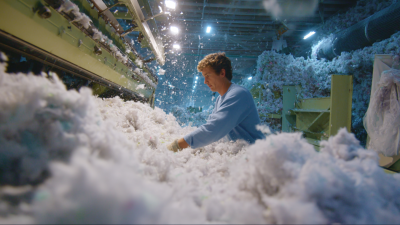
Recycled fleece fabric is gaining popularity for its eco-friendly qualities. It is primarily made from recycled plastic bottles. This process reduces waste in landfills and conserves natural resources. The fabric feels soft and comfortable, making it a great choice for clothing and other textile products.
One of the benefits of recycled fleece is its durability. It holds up well through multiple washes and wears. However, some recycled fleeces may not perform as well as conventional fabrics. This is a point worth considering. The warmth provided by recycled fleece is excellent, yet it can sometimes be heavier than expected.
When choosing recycled fleece, look for specifics—like weight and texture. Some variations may feel rough or less breathable. Not all recycled fleece is created equal. Investigating the manufacturing process can shed light on its environmental impact. In some cases, the use of dyes and chemicals can lessen its sustainability. Always question the details when shopping for recycled fleece.
Evaluating the Environmental Impact of Recycled Fleece Fabric
When selecting recycled fleece fabric, understanding its environmental impact is crucial. Recycled fleece is made from post-consumer plastic bottles. This process reduces plastic waste and gives new life to materials that might otherwise pollute our planet. However, the recycling process is not without flaws. Energy is consumed in transforming old materials into new fabric.
Consider the impact of production. Even with recycled content, the manufacturing process can produce emissions. Water usage is another important factor. Finding a fabric with minimal water consumption is vital for sustainability. Engaging with suppliers who prioritize eco-friendly practices can help mitigate these issues.
The longevity of recycled fleece is also worth exploring. While it serves as a great alternative to virgin fleece, its durability can vary. Poor-quality fleece may wear out quicker, potentially leading to more waste. Researching the lifespan of the fabric can inform smarter buying choices. Balancing eco-friendliness with quality is an ongoing challenge for conscious consumers.
Top 5 Tips for Choosing Recycled Fleece Fabric
| Tip |
Description |
Environmental Impact |
Recycling Process |
| 1. Check Material Composition |
Ensure the fleece is made from at least 50% recycled materials. |
Reduces landfill waste and conserves natural resources. |
Plastic bottles or old fleece items are often used. |
| 2. Look for Certifications |
Seek out certifications that verify recycled content. |
Assures products meet environmental standards. |
Certifications like Global Recycled Standard are beneficial. |
| 3. Evaluate Durability |
Choose fabrics that can withstand multiple washes and wear. |
Long lifespan reduces the need for frequent replacements. |
High-quality recycling processes enhance durability. |
| 4. Assess Softness and Comfort |
Test for a soft texture suitable for clothing. |
Consumer satisfaction encourages sustainable choices. |
Fleece is often recycled using softening treatments. |
| 5. Research Brand Practices |
Understand how brands source and recycle their materials. |
Transparent practices promote responsible consumption. |
Brands may have their own recycling initiatives. |
Identifying Quality Indicators in Recycled Fleece Materials
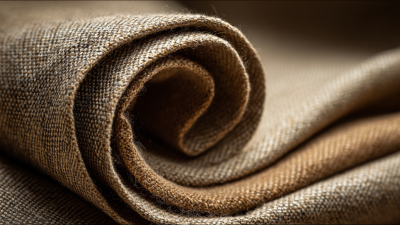
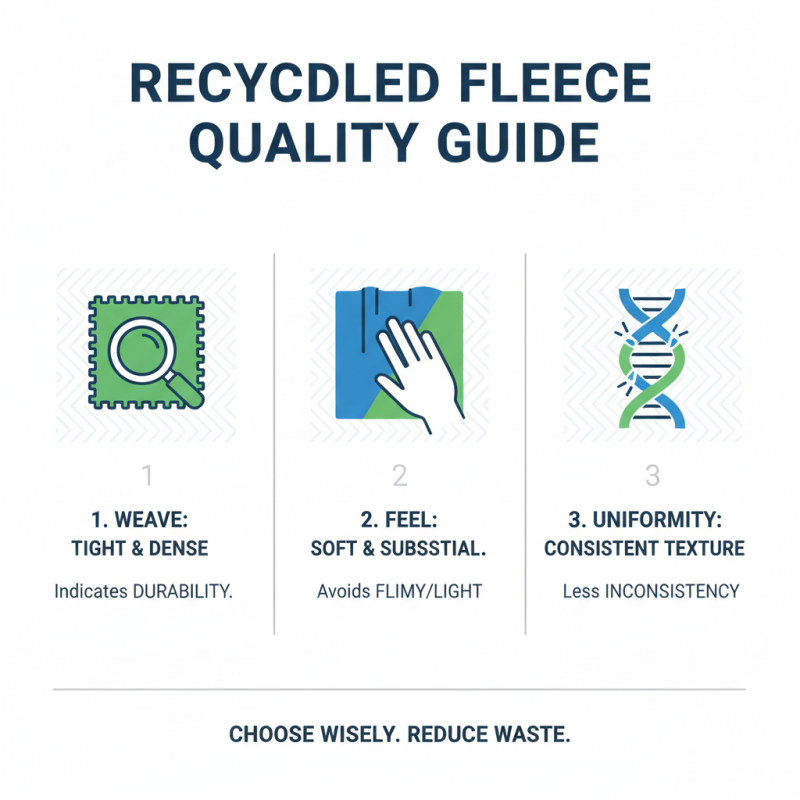
When choosing recycled fleece fabric, quality indicators matter. Look closely at the weave. A tight weave suggests durability. If the fabric feels lightweight and flimsy, think again. Quality fleece should feel soft but substantial. Sometimes, recycled materials might have inconsistency, which can affect the final product.
Next, examine the texture closely. High-quality fleece has a smooth finish. If you notice pilling or rough patches, it may indicate poor processing. Recycled materials can sometimes hold onto rough fibers. This might affect comfort, so trust your touch. Also, consider the color. Bright, vivid hues often indicate better dyeing processes.
Finally, check for certifications. While not perfect signs of quality, certifications can guide your choices. They may offer insight into the sustainability practices of the manufacturer. Remember, not all recycled fleece meets the same standards. Keep looking until you find the right balance of quality and eco-friendliness.
Considering Fabric Composition and Durability for Usage
When choosing recycled fleece fabric, focus on its composition. Recycled materials often contain shredded plastic bottles or discarded textiles. Check the percentages of these materials. Higher recycled content usually means a lesser environmental impact. A blend of synthetic fibers can increase durability, but make sure it feels soft against the skin.
Durability is key for various applications. Some fabrics are tougher and withstand wear and tear better than others. Consider the intended use: will it be for outdoor activities or casual wear? The fabric should resist pilling and fading. Look for reviews on durability and how it holds up after multiple washes.
Selecting the right fleece is not easy. Sometimes, what seems durable isn't. Softness can trick us into thinking it will last. It’s wise to test fabric in person if possible. Quality varies widely among recycled options, so don’t skip this step. Reflect on what you really need from your fabric to make a thoughtful choice.
Exploring Color Options and Patterns in Recycled Fleece Choices
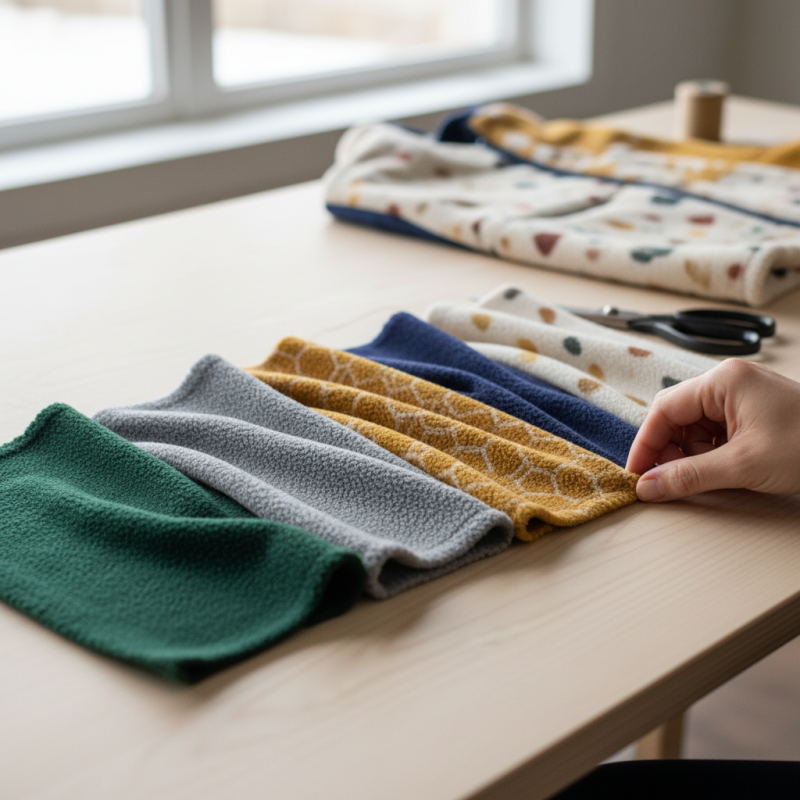
When exploring recycled fleece fabric, color options and patterns can significantly impact your choice.
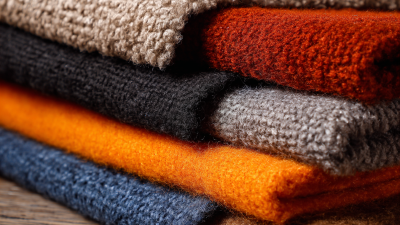
Bright hues attract attention and can uplift your mood.
Pastel shades offer a softer aesthetic that many find calming.
Dark colors, like navy or charcoal, provide a classic touch.
You might think about your personal style when making selections, but trends can also sway your decisions.
Patterns add another layer of excitement to your fabric choice.
Geometric shapes can create a modern vibe.
Floral prints often convey a sense of warmth and nature.
Stripes can evoke a laid-back, casual feeling. However,
remember that busy patterns might clash with other elements in your project.
Your fabric choice should resonate with your vision, but be mindful of how it integrates with your overall design.
It’s easy to overlook the environmental impact of color choices in synthetic fabrics.
The dyeing process can be harmful. Opting for fabrics with low-impact dyes is a sound strategy.
Nevertheless, some colors may fade over time, so consider durability as well.
Balancing aesthetics with sustainability requires thoughtful consideration.
Your choices matter, as they contribute to the bigger picture of eco-friendly fashion.