Leave Your Message

Top 10 Types of Microfiber Stretch Fabric for Global Buyers?

Microfiber Stretch Fabric is moving beyond basic sportswear. It now serves swimwear, lingerie, uniforms, travel garments, and fitted home textiles. Buyers are comparing softness, recovery, opacity, abrasion resistance, and color stability before placing large orders. Small differences matter. A fabric that feels smooth on a showroom table may lose shape after repeated washing.

The Textile Exchange 2024 Materials Market Report reported approximately 124 million tonnes of global fiber production in 2023. Polyester remained the dominant fiber group, representing roughly 59% of output. This scale highlights a difficult question: how can suppliers deliver stretch, durability, and comfort while reducing material impact? The report also encourages stronger traceability and recycled-fiber adoption. However, recycled content alone does not guarantee better performance.

Dr. Subhash K. Batra, a recognized textile technology expert, has described textiles as “the second skin of humans.” That practical idea guides this review. Every fabric should be judged against real use, not attractive specifications alone. The following ranking examines ten Microfiber Stretch Fabric types for global buyers, including nylon-spandex, polyester-spandex, recycled blends, brushed constructions, and high-recovery options. Tests should include stretch recovery, pilling, colorfastness, and dimensional change after washing. Supplier claims need verification. Samples can disappoint. Certification can also be incomplete. Therefore, this guide combines commercial suitability, technical evidence, and careful buyer judgment.
Top 10 Types of Microfiber Stretch Fabric for Global Buyers?

What Is Microfiber Stretch Fabric and How Is It Made?

Microfiber stretch fabric is a lightweight textile made from extremely fine synthetic filaments. Polyester or polyamide commonly forms the microfiber base. Elastane adds controlled stretch and recovery.

Its soft hand feels almost suede-like. The dense yarn structure also supports smooth surfaces, clear printing, and quick drying. Yet softness alone does not prove quality.

Global buyers should check fiber composition, fabric weight, width, stretch percentage, and recovery after repeated extension. These details affect leggings, swimwear, linings, uniforms, and fitted sports garments differently.

Manufacturing begins with polymer melting and fine filament spinning. The filaments are drawn, combined, and knitted or woven with elastic yarn. Heat setting stabilizes the fabric’s dimensions. Dyeing, washing, and finishing then adjust color, handle, moisture movement, and surface appearance.

Skilled mills monitor temperature, tension, and dye penetration throughout production. A small tension error can create uneven width or visible stripes.

Not every four-way stretch fabric performs equally. Some stretch well crosswise but recover slowly lengthwise. Buyers should request test reports, sample rolls, and wash results before approving bulk production.

I would also inspect the fabric under direct light, because tiny flaws often disappear indoors. That extra check can reveal barre, needle lines, or inconsistent sheen. Specifications help, but practical testing remains essential.
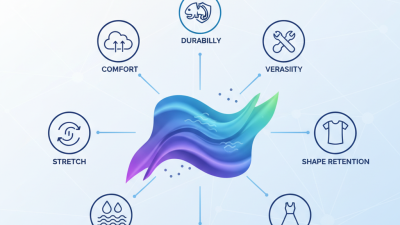
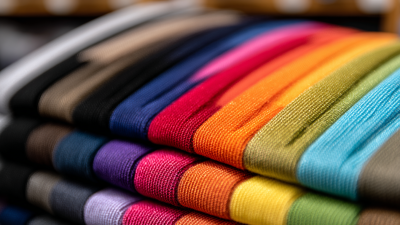
How Are the Main Types of Microfiber Stretch Fabric Classified?

Microfiber stretch fabric is best classified by fiber blend, fabric structure, and finishing method. The fiber group includes polyester microfiber, nylon microfiber, and blended microfiber. Polyester usually offers stable color, quick drying, and lower production cost. Nylon often feels softer and provides stronger recovery. Blended versions balance touch, durability, and price. The balance is not always predictable.

The structure creates another useful classification. Single jersey feels light and flexible, making it suitable for sportswear and fitted garments. Interlock offers a smoother surface and greater thickness. Tricot provides a firm, fine-knit base for lingerie, linings, and performance apparel. Warp-knit microfiber can resist deformation during repeated wear. Circular-knit microfiber usually gives more comfortable stretch. Buyers should check stretch percentage, recovery after washing, and fabric weight before approval.

Finishing creates the remaining performance categories. Brushed microfiber has a warm, peach-like surface. Moisture-management fabric moves perspiration away from the skin. Four-way stretch fabric extends across the width and length. Some materials combine several finishes, but marketing terms can cause confusion. A soft hand does not always mean high durability. Testing should include abrasion, colorfastness, dimensional stability, and pilling resistance. In my experience, sample inspection under real movement reveals weaknesses that laboratory data may miss. Keep the intended end use clear. Waistbands, swimwear, uniforms, and active tops need different recovery levels. A fabric may fit two groups. That is normal, not a classification failure.

What Are the Top 10 Types for Global Buyers?

For global buyers, the top 10 microfiber stretch fabric types are nylon-spandex tricot, polyester-spandex jersey, recycled polyester-spandex, brushed microfiber, microfiber suede, warp-knit microfiber, weft-knit microfiber, four-way stretch microfiber, moisture-wicking microfiber, and chlorine-resistant microfiber. Each serves a different purchasing need. Nylon-spandex offers soft recovery, while polyester blends usually reduce cost. Recycled polyester can support sustainability targets, but buyers should verify certification documents and chain-of-custody records.

Textile Exchange’s Materials Market Report 2024 estimated global fiber production at 124 million tonnes in 2023. Polyester represented about 57% of total output, showing its importance in global sourcing. Stretch percentages still require physical testing. A fabric labeled “four-way stretch” may lose recovery after repeated washing. Fabric weight, denier, pilling resistance, colorfastness, and seam performance deserve equal attention. No fabric wins every test. That is easy to forget.

Tips: Request 30–50 centimeter samples before bulk approval. Test stretch after washing, not only on arrival. For swimwear, test chlorine resistance and shade change. For sportswear, check sweat absorption, drying speed, and odor-control claims. Global buyers should compare laboratory reports with actual fabric behavior. Sometimes the cheaper fabric performs better, but not always. Weather, end use, and care instructions can change the result. Specification sheets need clearer limits, especially for recovery and pilling.

Top 10 Types of Microfiber Stretch Fabric for Global Buyers? - What Are the Top 10 Types for Global Buyers?
No. Microfiber Stretch Fabric Type Typical Fiber Composition Common Construction Typical Fabric Weight Stretch Profile Main Performance Characteristics Typical Global Applications Key Buyer Considerations
1 Nylon-Spandex Microfiber Jersey Approximately 70–85% nylon and 15–30% elastane Fine-gauge circular-knit jersey 140–220 g/m² Four-way stretch; high recovery when elastane quality and finishing are controlled Soft hand feel, smooth surface, good abrasion resistance, body-conforming fit, and relatively low moisture regain Activewear, swimwear, shapewear, base layers, dancewear, and underwear Check chlorine and salt-water resistance for swimwear, colorfastness, pilling, elastane content, and recovery after repeated washing
2 Polyester-Spandex Microfiber Jersey Approximately 75–92% polyester and 8–25% elastane Circular-knit jersey or interlock 130–240 g/m² Two-way or four-way stretch, depending on knit structure and elastane ratio Good color retention, quick drying, dimensional stability, and generally lower cost than nylon-based alternatives Sportswear, leggings, uniforms, fashion tops, children’s apparel, and compression garments Specify moisture-management finish, colorfastness to washing and perspiration, odor-control claims, and pilling resistance
3 Microfiber Tricot Stretch Fabric Usually polyester or nylon with 5–20% elastane Warp-knit tricot with a fine, stable face 120–210 g/m² Moderate two-way or four-way stretch with good shape stability Smooth appearance, low snag tendency compared with many loose knits, stable edges, and a clean drape Lingerie, linings, sports tops, swimwear, dancewear, and lightweight performance apparel Review fabric width, edge curling, snag resistance, stretch direction, and suitability for cutting and sewing operations
4 Microfiber Interlock Stretch Fabric Commonly polyester-spandex or nylon-spandex blends Double-knit interlock construction 180–300 g/m² Balanced two-way or four-way stretch with a stable recovery profile Denser than single jersey, smooth on both sides, less transparent, comfortable, and suitable for structured garments Leggings, yoga wear, tracksuits, children’s garments, uniforms, and everyday basics Compare opacity, spirality, shrinkage, weight tolerance, and stretch recovery after laundering
5 Microfiber Brushed Stretch Fabric Typically polyester-spandex or nylon-spandex Knitted fabric with a mechanically brushed inner or outer surface 180–320 g/m² Usually four-way stretch, with recovery influenced by brushing depth and elastane percentage Soft fleece-like hand, improved warmth, comfortable next-to-skin feel, and moderate moisture transport Winter leggings, thermal base layers, loungewear, cycling apparel, and cold-weather sportswear Assess shedding, pilling, color migration, brush uniformity, drying time, and performance after repeated washing
6 Microfiber Mesh Stretch Fabric Polyester or nylon with approximately 5–20% elastane Open-hole knitted mesh or engineered power mesh 80–180 g/m² Two-way or four-way stretch; support level varies with mesh density and yarn arrangement High breathability, low weight, fast drying, and useful ventilation or body-contouring properties Sports panels, ventilation zones, lingerie, shapewear, dancewear, and lightweight linings Confirm hole size, snag resistance, bursting strength, transparency, stretch recovery, and compatibility with seam finishes
7 Microfiber Powernet Stretch Fabric Often nylon-spandex or polyester-spandex, with a relatively high elastane share Firm warp-knit or engineered mesh construction 160–280 g/m² Firm multidirectional stretch with strong compression and recovery High support, body shaping, controlled compression, dimensional stability, and good resistance to deformation Shapewear, support panels, compression garments, dancewear, and performance undergarments Request tested compression levels, elongation and recovery data, skin comfort, seam strength, and wash durability
8 Microfiber Suede-Like Stretch Fabric Usually polyester microfiber with 3–15% elastane Knitted or woven base with a brushed, sanded, or sueded surface 180–320 g/m² Two-way or four-way stretch depending on the base fabric Peach-soft touch, matte appearance, relatively good coverage, and a premium suede-like visual effect Fashion apparel, fitted jackets, skirts, trousers, footwear panels, and accessories Check nap direction, shade variation, crocking, seam slippage, abrasion resistance, and cleaning instructions
9 Microfiber Rib Stretch Fabric Polyester-spandex, nylon-spandex, or blended microfiber yarns Rib-knit structure such as 1×1 or 2×2 rib 170–300 g/m² High crosswise stretch; lengthwise recovery depends on rib ratio and elastane content Textured vertical appearance, comfortable expansion, good recovery, and useful body-hugging performance Neckbands, cuffs, fitted tops, underwear, casualwear, and stretch fashion garments Verify rib relaxation, torque, shrinkage, recovery after washing, and whether the structure meets the required fit standard
10 Microfiber Laminated Stretch Fabric Stretch microfiber face fabric combined with a polyurethane or breathable membrane layer Two-layer or three-layer laminated construction 220–420 g/m² Two-way or four-way stretch, depending on the face fabric and membrane design Wind resistance, water resistance or waterproof performance, improved protection, and retained garment flexibility Outdoor apparel, softshell garments, protective sportswear, workwear, and travel clothing Request hydrostatic-head, breathability, peel-strength, seam-taping, wash-cycle, and low-temperature flexibility test results

How Do the Ten Types Differ in Performance and Applications?

Microfiber stretch fabrics differ through fiber content, knit structure, weight, and finishing. Polyester-spandex jersey feels light and dries quickly, making it suitable for shirts and base layers. Nylon-spandex tricot offers smoother recovery and stronger abrasion resistance for swimwear and activewear. Recycled polyester versions can reduce reliance on virgin feedstock, although dye consistency may require closer quality checks. Textile Exchange’s Materials Market Report 2024 reported that polyester represented about 57% of global fiber production in 2023, showing why sourcing decisions matter at scale.

Structure changes performance sharply. Brushed microfiber traps more air and feels warmer against skin. Interlock fabric provides a stable, opaque surface for leggings and uniforms. Warp-knit microfiber resists laddering and keeps its shape under repeated movement. Open mesh improves ventilation around the back and underarms, but it sacrifices coverage. Compression microfiber uses high elastane content and firm recovery; it needs controlled testing after washing. Moisture-wicking fabric spreads perspiration across the surface, while chlorine-resistant fabric is better for frequent pool exposure. The Global Fashion Agenda’s 2024 materials analysis also stresses that recycled content alone does not prove lower impact; processing and durability remain important.

Performance is not absolute. A 180 GSM nylon blend may outlast a lighter polyester blend, yet feel less breathable. Buyers should request GSM, stretch percentage, recovery results, pilling data, colorfastness, and wash-cycle reports. Small trial lots help. Lab results can still miss real gym conditions, especially rough seams, sunscreen, and hard water. Choose for the final use, not the swatch alone.

How Can Global Buyers Evaluate Quality, Compliance, and Cost?

Global buyers often compare microfiber stretch fabric by fiber content alone. That approach is incomplete. Nylon-spandex usually offers a smooth hand and strong recovery. Polyester-spandex can reduce cost and improve color stability. Recycled polyester blends may support sustainability goals, but claims need verification. Warp-knit fabric feels stable, while circular-knit fabric often provides softer drape. Brushed, cooling, and moisture-management finishes create different performance profiles.

Quality starts with measurable requirements. Request fabric weight, width, stretch percentage, recovery rate, pilling results, and colorfastness data. Test samples after washing, not only when new. A swatch can mislead. I have seen attractive fabric lose shape after repeated laundering. Check roll consistency, edge curling, shade variation, and needle lines under bright inspection lights. Independent laboratory testing adds credibility, especially for skin-contact products. Supplier records should identify the fiber source, dye process, and production lot.

Compliance depends on the destination market and product use. Ask for current chemical safety documents, restricted-substance declarations, and traceability records. Do not accept vague claims such as “eco-friendly.” Request evidence for recycled content and responsible wastewater treatment. Cost evaluation should include fabric price, testing, freight, duties, cutting waste, and expected returns. A cheaper roll may become expensive after shrinkage or uneven dyeing. Compare quotations using the same specifications. Leave room for uncertainty; estimates are rarely perfect. Small pilot orders reveal problems before full production.

Top 10 Types of Microfiber Stretch Fabric for Global Buyers

Typical elastane content is a practical first indicator of stretch potential. Higher percentages generally provide greater elasticity, while final quality, compliance, and cost also depend on fiber denier, GSM, recovery, colorfastness, restricted-substance testing, and production volume.

Buyer note: The chart shows midpoint values from common commercial specification ranges. Actual composition should be confirmed through a laboratory fiber-content test and supplier technical data sheet before purchase.