Top 10 Georgette Floral Print Fabrics for Global Buyers?
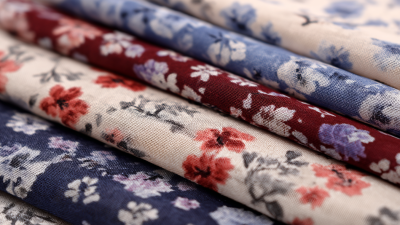
In the world of fashion, Georgette Floral Print Fabric holds a special place. Its delicate texture and vibrant designs make it a favorite among designers and consumers alike. This fabric adds an elegant touch to any garment, from dresses to blouses. The combination of softness and breathability offers comfort without compromising style.
Global buyers are increasingly turning to Georgette Floral Print Fabric due to its versatility. Different floral patterns cater to various tastes and occasions. However, the quality can vary significantly among suppliers. Buyers must be discerning and seek trusted sources. Selecting the right fabric can make all the difference in end products.
As trends evolve, so does the demand for unique prints. Some may rush to follow popular styles, sacrificing quality. It's essential to strike a balance between trendiness and durability. This guide will explore ten standout options in Georgette Floral Print Fabrics. Each selection is not only beautiful but also reliable. The journey to finding the perfect fabric begins here.
The Evolution of Georgette Fabrics in Floral Prints
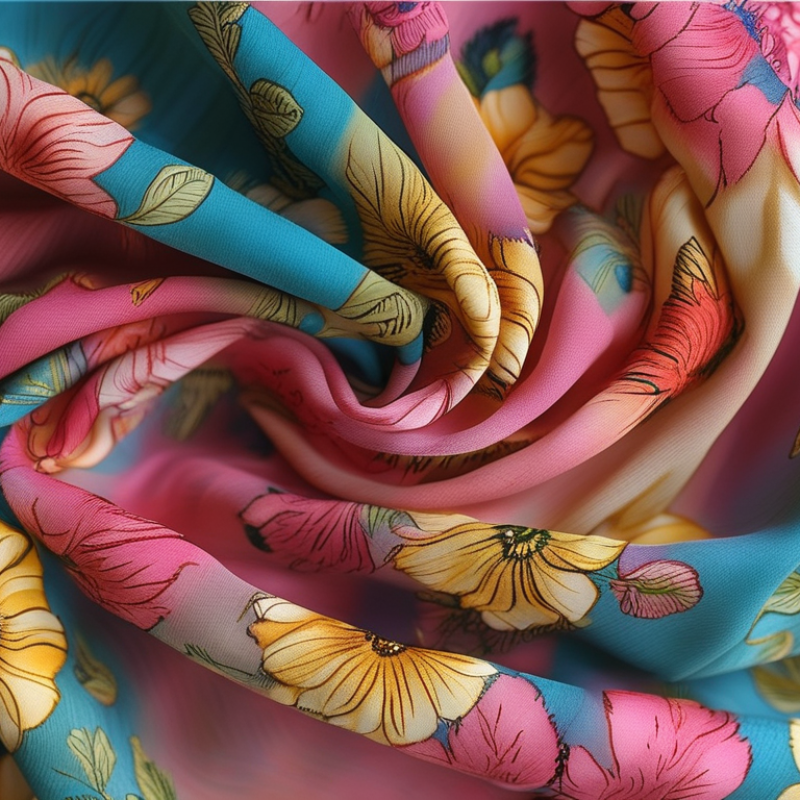
The evolution of georgette fabrics has played a significant role in the world of floral prints. Initially developed in the early 20th century, georgette was prized for its lightweight and sheer qualities. Over time, advancements in textile technology enhanced the fabric’s durability and design versatility. According to industry reports, the global georgette fabric market is expected to grow by 6.2% annually, driven by increasing demand for floral prints in both casual and formal wear.
In recent years, floral prints on georgette have become a favorite among designers. Vibrant patterns now dominate runways across the globe. The ease of draping and the fabric's natural flow enhance the appeal of floral designs. However, not all georgette fabrics are created equal. Some lower-quality options may lose shape or color after several washes. This has raised concerns about sustainability and product longevity in fast fashion.
The consumer's choice increasingly hinges on fabric quality and print artistry. Reports indicate that 65% of buyers prioritize sustainable fabrics. This shift prompts manufacturers to rethink their sourcing strategies. They must balance aesthetic appeal with responsible practices. As georgette fabric continues to evolve, the dialogue around quality and sustainability grows more critical. It reflects a broader trend seeking lasting beauty in fashion.
Key Characteristics of Georgette Floral Print Fabrics
Georgette floral print fabrics hold a significant position in the textile industry due to their unique characteristics. The soft, lightweight texture is ideal for various garments, including dresses and blouses. This fabric drapes beautifully, making it a preferred choice for designers. According to a recent industry report, the global demand for georgette fabrics has seen a growth of over 6% annually.
One key characteristic of georgette floral print fabrics is their breathability. This feature allows for comfortable wear, particularly in warm climates. Moreover, the vibrant floral patterns offer versatility, appealing to various consumer preferences. Reports indicate that floral designs account for around 30% of all printed fabrics sold globally. However, achieving consistent quality in floral prints remains a challenge for manufacturers. The dyeing process can lead to color discrepancies, which may affect customer satisfaction.
Sustainability is another pressing point in the georgette fabric market. While there is a demand for eco-friendly textiles, not all manufacturers adhere to sustainable practices. Many fabrics are still produced using harmful chemicals, raising concerns. Industry studies suggest that over 50% of consumers are now considering sustainability when making fabric purchases. This growing concern reflects a shift in consumer behavior that manufacturers must address.
Top Global Suppliers of Georgette Floral Prints and Their Market Share
The market for georgette floral print fabrics has witnessed significant growth. Recent reports indicate that the global fabric market is projected to reach approximately $600 billion by 2025. Georgette fabrics, known for their lightweight and flowy characteristics, comprise a notable segment. The floral prints have become increasingly popular among consumers looking for vibrant and stylish options.
Key suppliers in this sector vary by region. The Asian market, particularly countries like India and China, dominates the production landscape. Reports reveal that these countries account for nearly 70% of global market share. However, challenges such as fluctuating raw material costs and environmental regulations pose risks for these suppliers. Buyers often have limited information on sustainable sourcing.
Additionally, emerging markets in Africa and South America are gaining traction. While they currently hold a smaller percentage of the market, their potential for growth is substantial. These regions face logistical challenges, yet reports suggest a shift towards more diverse sourcing channels. The dynamics of this market remain complex and evolving.
Top 10 Georgette Floral Print Fabrics - Market Share Visualization
This bar chart visualizes the market share of the top 10 Georgette floral print fabrics available globally, showcasing the distribution and popularity among global buyers.
Sustainability Trends in Georgette Fabric Production
Sustainability is becoming essential in fabric production. Georgette fabric, known for its lightweight and flowy nature, is no exception. To meet global demand, manufacturers are seeking eco-friendly processes. This involves using organic materials and reducing water consumption. Yet, not all manufacturers adhere to these practices. Some still prioritize cost over sustainability.
The sourcing of raw materials is crucial for sustainable georgette. Organic cotton and recycled fibers are gaining popularity. However, challenges remain in ensuring that these materials are produced ethically. Global buyers need to consider the entire supply chain. Transparency is vital. Without it, claims of sustainability can be misleading.
Innovation plays a significant role in the production of sustainable georgette. New dyeing techniques reduce chemical waste. Some producers are experimenting with natural dyes, which can be less harmful. While progress is being made, there is still much work to do. Balancing style with sustainability remains a challenge for designers and manufacturers alike.
Emerging Design Trends in Georgette Floral Fabrics for 2024
As we approach 2024, the fashion industry anticipates innovative trends in Georgette floral fabrics. Emerging design patterns show a shift towards bolder color palettes and intricate floral designs. Recent industry reports indicate that the demand for lightweight, breathable fabrics is growing. Georgette’s popularity is rising, especially for spring and summer collections. The global market for Georgette fabrics is projected to reach $1.5 billion by 2025, according to a study by Market Research Future.
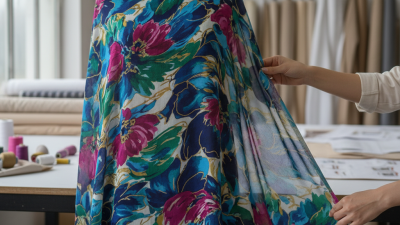
Textile designers are pushing boundaries by integrating digital printing techniques. This allows for more vibrant patterns that stand out in today's competitive market. According to a survey by Statista, 65% of consumers prefer unique designs over traditional floral prints. Designs are evolving to incorporate eco-friendly materials as buyers become more environmentally conscious. However, sourcing sustainable fabrics without compromising quality remains a challenge for many manufacturers.
Despite these advancements, some patterns can overwhelm the fabric’s lightweight appeal. Striking a balance between bold designs and the softness of Georgette is crucial. Plus, the fast fashion model pressures designers to produce quickly, often at the cost of quality. Reflecting on these challenges may guide future innovations in the floral fabric sector.