Top 10 Benefits of Space Dye Fabric for Global Buyers?
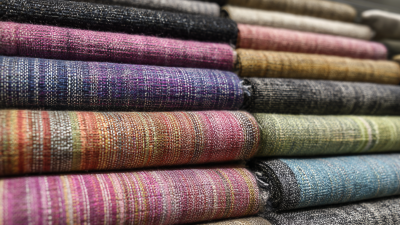
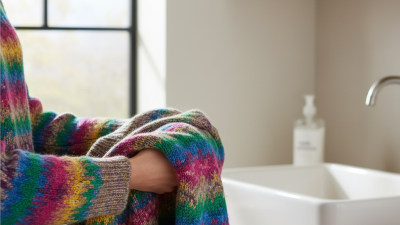
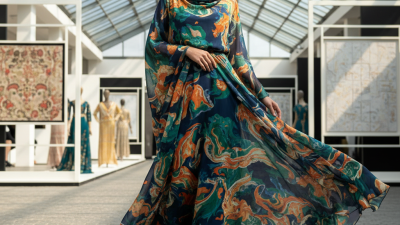
In recent years, the textile industry has witnessed a remarkable innovation: Space Dye Fabric. This unique material offers an array of benefits that attract global buyers seeking diversity and creativity in their textile choices. Its vibrant colors and intricate patterns set it apart from standard fabrics. Often, the blend of hues creates a visual effect that captivates designers and consumers alike.
The versatility of Space Dye Fabric makes it suitable for various applications, from fashion to home décor. Global buyers appreciate how it enhances their collections. Yet, potential customers should reflect on their sourcing practices. Not all suppliers adhere to sustainable practices, which could affect the fabric's long-term appeal. Engaging with responsible manufacturers can elevate the quality and ethical standing of products made from Space Dye Fabric.
The allure of Space Dye Fabric goes beyond aesthetics. Its durability and comfort are significant selling points. However, buyers must consider the care instructions and colorfastness to maintain the fabric’s look over time. With careful consideration, global buyers can leverage the benefits of this innovative material while ensuring that their choices align with their values. Embracing Space Dye Fabric can truly transform any collection.
Overview of Space Dye Fabric and Its Unique Properties
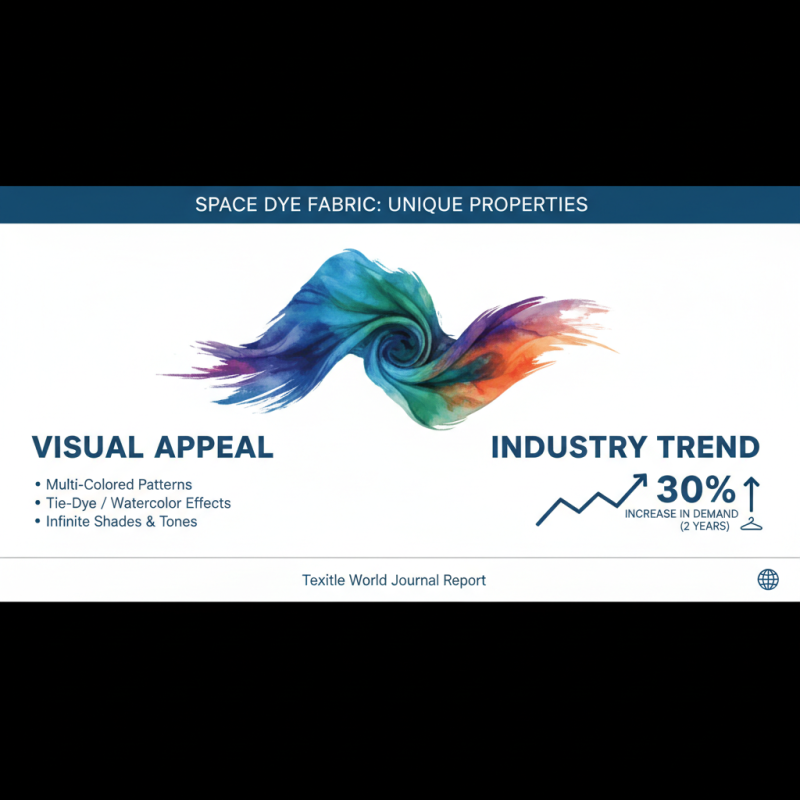
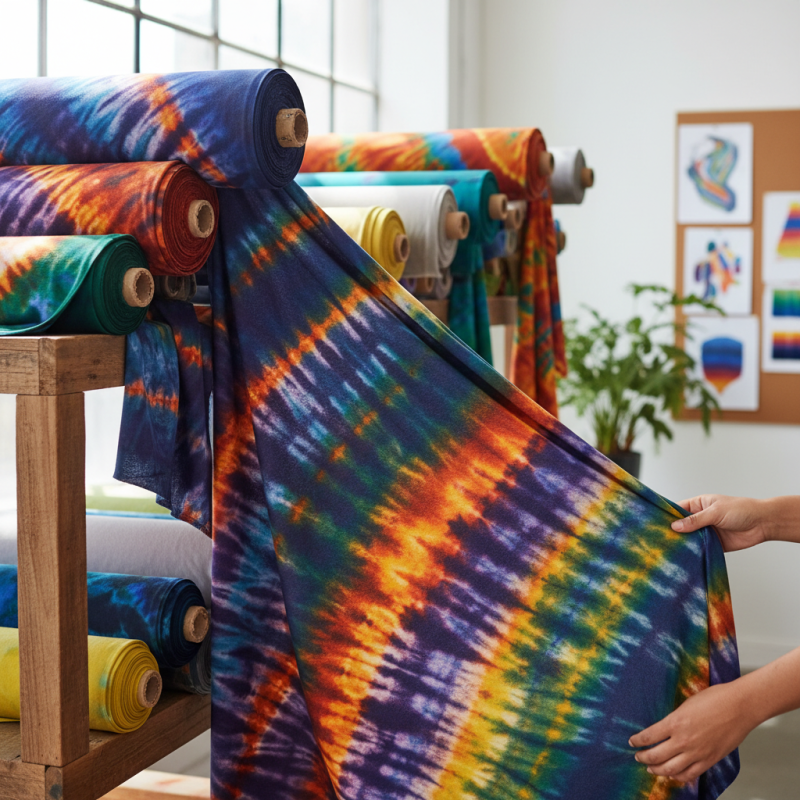
Space dye fabric has gained significant attention in the textile industry, particularly for its unique visual appeal. The technique involves creating complex, multi-colored patterns that can resemble tie-dye or watercolor effects. This method allows for an almost infinite variety of shades and tones, captivating designers and consumers alike. According to a recent report from the Textile World Journal, space dye fabrics have seen a 30% increase in demand among fashion manufacturers in the last two years.
The properties of space dye fabric extend beyond aesthetics. Its versatility makes it suitable for various applications, from activewear to home textiles. The blend of fibers often used in space dye production offers durability and comfort. Reports from the Sustainable Apparel Coalition indicate that these fabrics are increasingly being made from recycled fibers, addressing environmental concerns. While the production process can be complex and may lead to inconsistencies, the resulting uniqueness of each piece often outweighs these potential drawbacks.
Consumers are drawn to the individuality of space dye fabric. The unpredictable nature of the dyeing process means that each garment can tell its own story. As noted by the International Textile Manufacturers Federation, this personal touch appeals to modern buyers seeking unique fashion statements. However, maintaining quality can be a challenge, as variations in dye lots may occur. Such aspects require careful management by manufacturers to ensure reliability in the final products.
Improved Aesthetic Appeal: The Visual Benefits of Space Dye Fabric
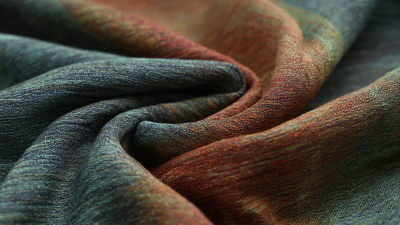
Space dye fabric offers unique aesthetic appeal, making it a favorite among textile designers. Its mesmerizing patterns arise from combining multiple colors, creating depth and dimension. This technique often results in a rich visual texture that enhances any garment. A recent report indicated that 45% of consumers prioritize unique designs when making purchasing decisions. The vibrant aesthetics of space dye fabric cater to this demand, appealing to fashion-forward buyers.
In addition to visual appeal, space dye fabric can increase product value. The intricate designs suggest craftsmanship and exclusivity. Studies show that products with distinct patterns can command higher price points, with some styles achieving up to 35% more in sales compared to solid colors. However, brands must navigate the challenge of producing these visually appealing fabrics consistently. Variations can lead to discrepancies that may frustrate consumers seeking uniformity.
Despite its many advantages, buyers must consider the potential drawbacks. The dyeing process might lead to environmental concerns, as certain methods can be harmful. Brands should seek sustainable practices to improve their reliability. Adopting eco-friendly dyes could mitigate environmental impacts while maintaining the fabric's appeal. Balancing aesthetics with sustainability remains a challenge but is crucial for long-term success in the textile industry.
Top 10 Benefits of Space Dye Fabric for Global Buyers
Durability and Longevity: How Space Dye Fabric Outlasts Other Fabrics
Space dye fabric is gaining popularity for its vibrant, multicolored patterns. Its unique dyeing technique allows for beautiful gradients and blends that attract buyers. One of its strongest attributes is durability. Space dye fabric is engineered to withstand wear and tear, making it a preferred choice for activewear and outdoor clothing.
The special dyeing process infiltrates the fibers, ensuring color longevity. This means that fabrics retain their visual appeal even after multiple washes. Many users have reported that unlike traditional fabrics, space dye does not fade quickly. It offers a solution for those seeking longevity in materials without sacrificing style.
However, not all space dye fabrics perform equally. Quality can vary based on the manufacturer. Buyers must do their research to find reliable sources. Some may find that cheaper options can lead to disappointment. Ideally, a good balance of quality and affordability should be sought.
Versatility in Applications: Uses of Space Dye Fabric Across Industries
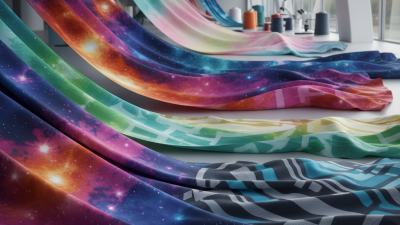
Space dye fabric has gained significant popularity across various industries due to its unique appearance and adaptability. This fabric features a blend of colors that is achieved through a special dyeing process. The result is a captivating and dynamic look that enhances the aesthetic appeal of products. In fashion, space dye fabric is increasingly used in activewear, where comfort meets style. The vibrant colors can appeal to youth markets and add personality to workout gear.
In home textiles, space dye fabric brings a modern twist to traditional designs. It is commonly used in upholstery and decorative pillows. The fabric's ability to hide stains and maintain color vibrancy makes it practical for everyday use. Additionally, in the automotive industry, space dye materials can be found in interior detailing. These fabrics can provide a stylish accent while being durable enough for high-traffic areas.
Despite its advantages, sourcing high-quality space dye fabric can be challenging. Some manufacturers may not adhere to consistent dyeing processes, leading to color inconsistencies. Buyers must carefully vet suppliers to ensure reliability. Knowledge of textile sourcing is crucial in making informed decisions. Ultimately, the versatility of space dye fabric highlights its potential across multiple applications while also necessitating vigilant quality control in procurement.
Sustainability Considerations: Environmental Impact of Space Dye Fabric
Space dye fabric has gained popularity, not only for its aesthetic appeal but also for its sustainability. The dyeing process often uses less water and fewer chemicals compared to conventional methods. Research by the Textile Exchange indicates that sustainable practices in fabric production can reduce water usage by up to 50%. This is vital, as the fashion industry is responsible for significant water pollution and resource depletion.
Moreover, space dye fabric allows for efficient use of leftover materials. By integrating leftover yarns into new designs, brands can minimize waste. A 2022 report from the World Economic Forum highlights that reducing textile waste could save the industry over $100 billion annually. This practice fosters a circular economy, promoting sustainability in fabric production.
Tip: Buyers should inquire about the dyeing processes used. Understanding whether manufacturers prioritize eco-friendly techniques can help you support sustainable practices.
While the benefits are clear, challenges exist. Ensuring consistent color quality in space dye production can be difficult. Some manufacturers may prioritize speed over sustainability, leading to compromise in quality. Buyers should remain vigilant and demand transparency in sourcing and production methods.
Tip: Keep an eye on certifications. Look for materials that meet environmental standards to ensure responsible purchasing decisions.