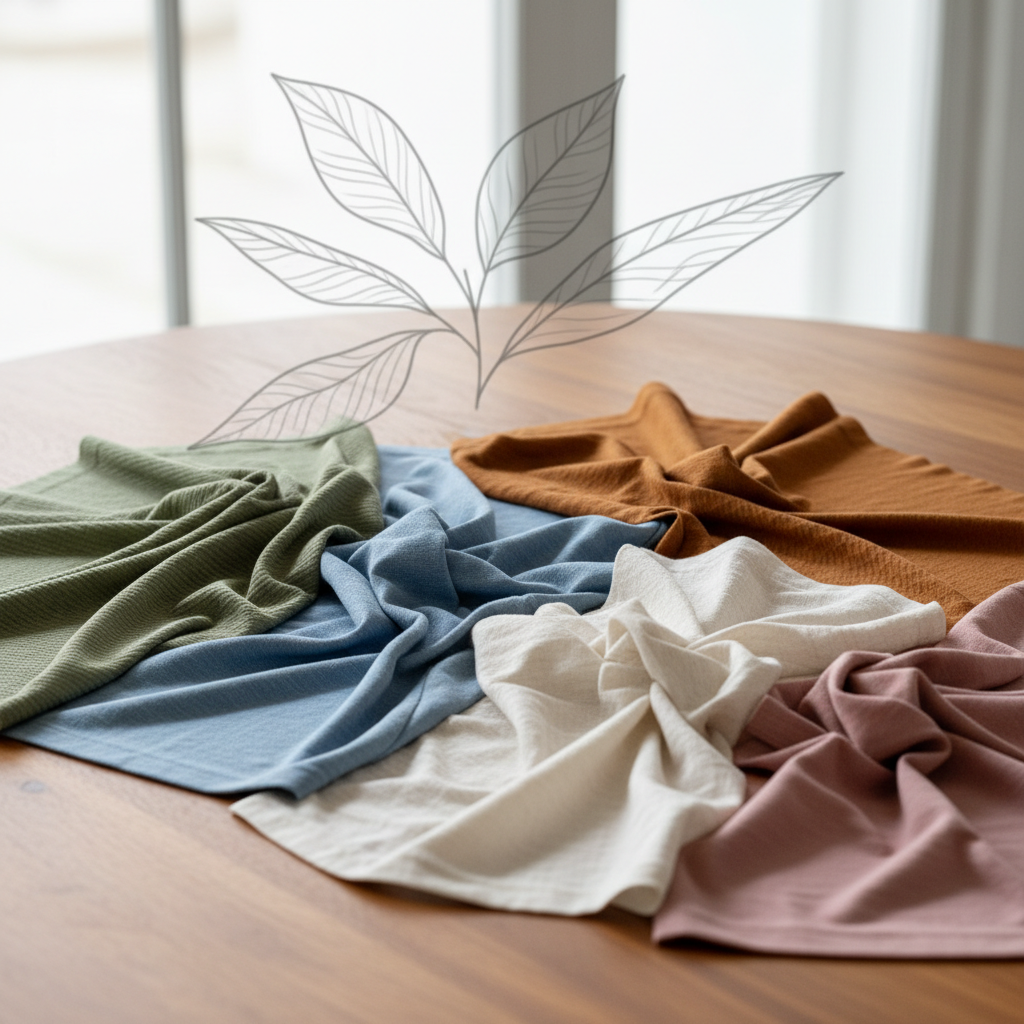
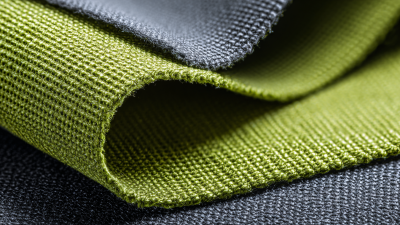
2025 Top 5 Natural Stretch Fabric Innovations for Ultimate Comfort
In recent years, the demand for comfortable, versatile fabrics has surged, leading to remarkable innovations in the textile industry. As consumers prioritize both style and functionality, the emergence of Natural Stretch Fabric has transformed the way we think about our clothing choices. This innovative material not only offers exceptional flexibility but also embodies sustainability, making it a preferred option for eco-conscious consumers.
In this article, we will explore the Top 5 Natural Stretch Fabric innovations poised to redefine comfort in 2025. From performance-driven designs that support active lifestyles to everyday wear that blends elegance with practicality, these advancements highlight the ongoing evolution of textiles. Join us as we delve into the latest breakthroughs and discover how Natural Stretch Fabric is set to enhance our wardrobes and elevate our comfort levels like never before.
The Rise of Sustainable Fabrics: Market Insights for 2025
The rise of sustainable fabrics is reshaping the fashion accessories market, projected to grow from $117.523 billion in 2024 to $123.117 billion in 2025, with a remarkable CAGR of 4.76% leading up to a projected $178 billion by 2033. This shift reflects a growing consumer demand for eco-friendly and ethically produced textiles, aligning with the broader global movement towards sustainability. As industries adapt to the changing climate and environmental conditions, innovative natural stretch fabrics are at the forefront, offering enhanced comfort while minimizing environmental impact.
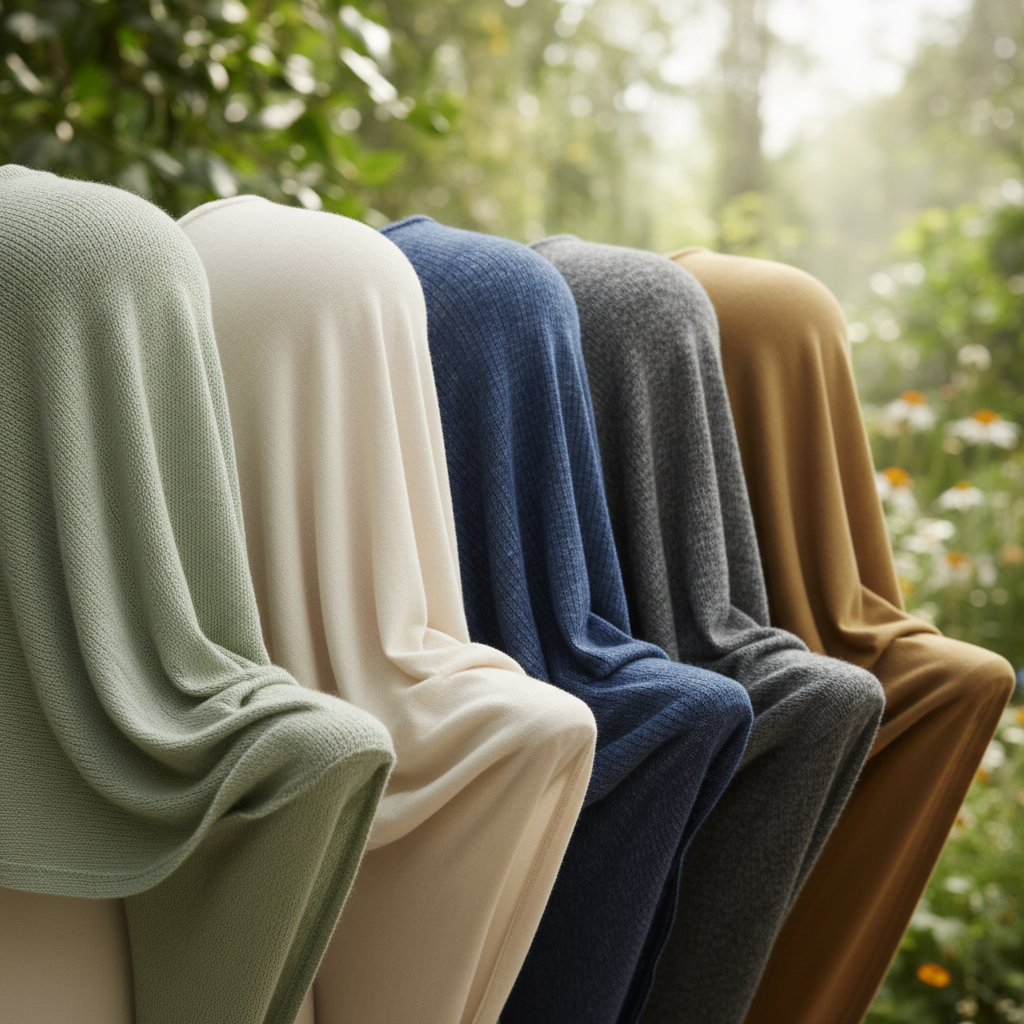
The successful 2025 WGSN Fashion Future Conference highlights how digital transformations are redefining consumer behavior and prompting a return to values centered on sustainability and aesthetics. As brands pivot towards integrating sustainable practices, the innovation of materials and textile technologies plays a critical role in meeting consumer expectations for both luxury and comfort. The focus on natural stretch fabrics not only caters to these demands but also signifies a larger trend in the fashion industry, where adaptive creativity meets social responsibility.
Innovations in Natural Stretch Textiles: Key Players and Technologies
Natural stretch fabrics are making significant strides in the textile industry, driven by a variety of innovations from key players focused on enhancing comfort and sustainability.
Notably, brands like Lenzing and Tencel are pioneering the development of eco-friendly fibers that maintain elasticity while remaining biodegradable.
Their advancements in modal and lyocell technologies allow for the creation of fabrics that not only stretch comfortably but also reduce environmental impact during production and disposal.
In addition to these innovations in fiber technology, companies such as Invista are focusing on integrating advanced knitting techniques to achieve optimal stretch and recovery in their textiles.
By utilizing innovative machinery and unique knit patterns, brands can produce garments that move seamlessly with the body, providing superior comfort throughout the day.
These innovations are paving the way for a new era of natural stretch textiles that cater to the growing consumer demand for both performance and eco-consciousness in the fashion industry.
Consumer Preferences: The Demand for Comfort and Flexibility in Apparel
As the demand for comfort and flexibility in apparel continues to rise, the market landscape for hoodies and sweatshirts is evolving rapidly. Consumers are increasingly prioritizing natural stretch fabrics that offer enhanced comfort and versatility. This trend is largely driven by a shift in lifestyle preferences, where individuals seek clothing that can seamlessly transition from casual wear to semi-formal settings, thereby catering to both function and style.
Recent market forecasts indicate that the global hoodies and sweatshirts market will experience significant growth over the next few years, escalating from $241.11 billion in 2025 to an impressive $381.40 billion by 2032. This robust growth suggests that brands are responding to consumer desires by innovating in fabric technology, focusing on materials that not only provide stretch but also ensure breathability and durability. As such, the future of apparel will likely see a stronger emphasis on fabrics that enhance the wearer's comfort while supporting active lifestyles.
2025 Top 5 Natural Stretch Fabric Innovations for Ultimate Comfort
| Fabric Innovation |
Key Features |
Comfort Level |
Flexibility Rating |
Sustainability Score |
| Organic Cotton Blend |
Breathable, soft texture |
8/10 |
9/10 |
High |
| Bamboo Fabric |
Moisture-wicking, antibacterial |
9/10 |
8/10 |
Medium |
| Tencel Lyocell |
Soft, eco-friendly production |
9/10 |
10/10 |
High |
| Hemp-Cotton Blend |
Durable, UV resistant |
7/10 |
8/10 |
Medium |
| Recycled Polyester Blend |
Lightweight, quick-drying |
8/10 |
7/10 |
High |
Impact of Eco-friendly Materials on Production Costs and Sustainability Goals
The integration of eco-friendly materials in the production of natural stretch fabrics is significantly altering the landscape of the textile industry. By utilizing sustainable fibers such as organic cotton, Tencel, and recycled polyester, manufacturers are not only able to reduce their carbon footprint but also enhance their appeal to environmentally conscious consumers. This shift towards sustainability often leads to increased production costs initially; however, these expenses can be mitigated over time through the adoption of scalable processes and advancements in technology.
Moreover, the long-term benefits of using eco-friendly materials extend beyond cost considerations. Brands that prioritize sustainability are likely to cultivate a loyal customer base and improve their market positioning. As consumers become more aware of environmental issues, the demand for responsibly sourced materials continues to rise. Consequently, this has led to innovative practices in production that align with sustainability goals, fostering a cycle of ecological responsibility and economic viability in the textile sector. As the industry progresses towards the year 2025, these innovations in natural stretch fabrics will play a crucial role in shaping a more sustainable and comfortable future for fabrics.
Future Trends: Integration of Technology in Natural Fabric Development
As we move towards 2025, the textile industry is increasingly integrating technology into the development of natural stretch fabrics, paving the way for innovative solutions that enhance comfort and performance. One significant trend is the use of smart textiles that can adapt to environmental conditions. For instance, fabrics that regulate temperature or moisture can provide wearers with the ultimate comfort experience, whether they're hiking in the heat or bundled up in colder weather.
Tips for consumers looking to incorporate these innovative fabrics into their wardrobes include focusing on brands that highlight sustainability in their production processes. Look for natural fibers combined with smart technology, such as moisture-wicking capabilities or odor-resistant features. Additionally, paying attention to how these fabrics are sourced can lead to more environmentally friendly choices, as many companies are now prioritizing eco-conscious practices.
Moreover, advancements in fabric dyeing techniques, which utilize less water and non-toxic materials, not only minimize environmental impact but also enhance the overall feel and durability of the fabrics. Choosing garments made from such innovative materials ensures comfort while contributing to a more sustainable future. Stay informed about emerging brands and technologies that prioritize these developments in natural stretch fabrics to elevate both your fashion and ethical standards.
2025 Top 5 Natural Stretch Fabric Innovations for Ultimate Comfort
This chart illustrates the projected growth and popularity of various natural stretch fabrics in 2025, highlighting key innovations that enhance comfort.