Top Tips for Sourcing Recycled Polyester Fabric Globally?
As the demand for sustainable fashion grows, the sourcing of Recycled Polyester Fabric becomes increasingly vital. According to the Global Recycling Foundation, around 87% of plastic waste is not recycled, highlighting the need for innovative solutions. Utilizing recycled polyester can significantly reduce the environmental footprint. This material results in lower energy consumption and fewer carbon emissions compared to virgin polyester, addressing pressing ecological concerns.
However, challenges exist. Not every supplier meets rigorous standards for quality and sustainability. The Recycled Content Certification, for example, ensures products meet specific environmental criteria. It's essential to verify the credentials of suppliers, as some may claim eco-friendliness without substantial evidence. Knowledge about manufacturing processes and material sourcing is crucial for making informed decisions.
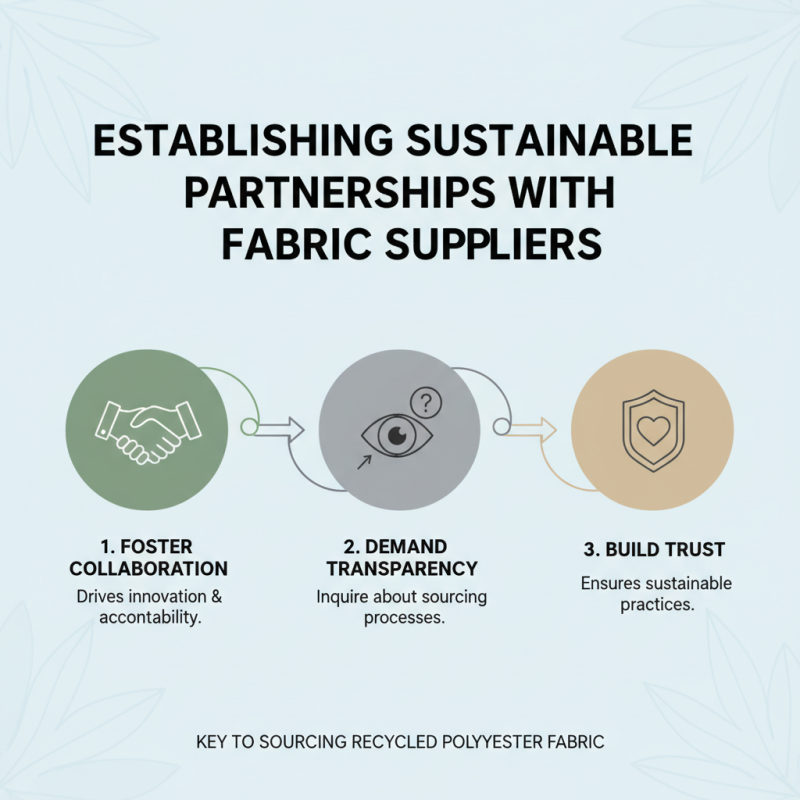
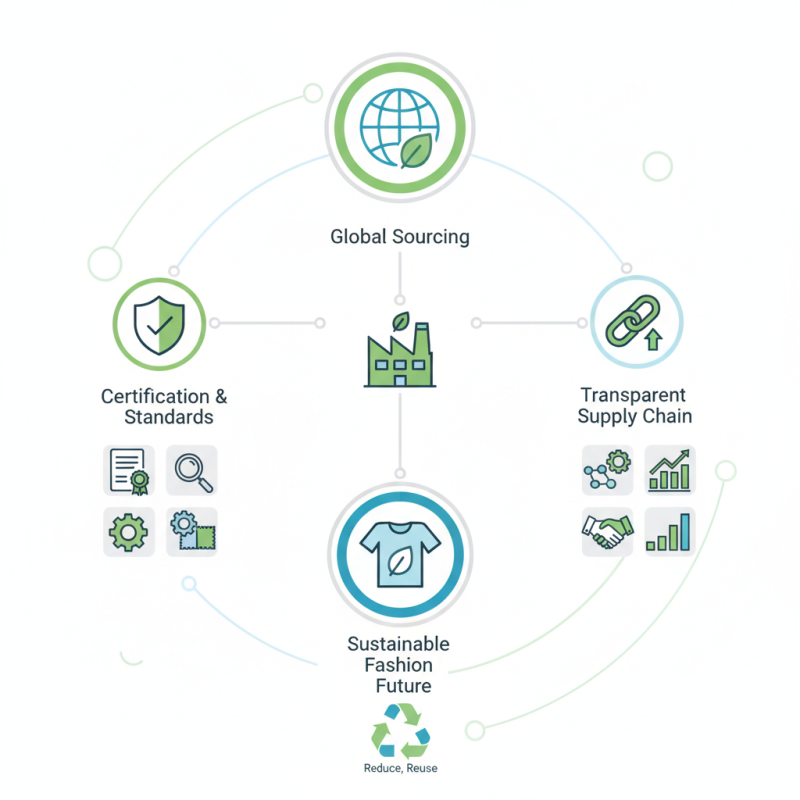
Investing time to research suppliers internationally can foster better partnerships. Various reports indicate the importance of establishing a transparent supply chain. Transparency builds trust and can enhance brand reputation. Sourcing responsibly is not just a trend; it’s a necessity for the future of the fashion industry.
Understanding Recycled Polyester: Types and Benefits
Recycled polyester is a sustainable alternative to virgin polyester. It is made from post-consumer plastic bottles and waste materials. This process reduces landfill waste and conserves resources. According to a report by the Textile Exchange, the global market for recycled polyester is expected to reach 34 million tons by 2024. This growth emphasizes the increasing demand for eco-friendly fibers.
Understanding the different types of recycled polyester is crucial. There are two main types: mechanically recycled and chemically recycled. Mechanically recycled polyester retains more of the original material's properties. Chemically recycled polyester, however, can offer higher quality and better performance, recovering the raw material fully. There’s an ongoing debate about which method is more efficient. Some experts argue mechanically recycled polyester leads to greater energy savings. Others highlight the purity of chemically recycled products.
The benefits of using recycled polyester go beyond environmental impact. It often costs less than virgin polyester as raw material prices fluctuate. However, the current infrastructure for recycling varies globally, creating inconsistencies. Some regions excel in recycling practices, while others lag behind. This disparity creates challenges for sourcing high-quality recycled polyester fabric consistently. Balancing quality and sustainability remains a complex issue in the industry.
Top Tips for Sourcing Recycled Polyester Fabric Globally
| Tip |
Details |
Benefits |
| Understand Material Types |
Different types of recycled polyester, including rPET sourced from post-consumer waste. |
Informed sourcing increases sustainability and quality. |
| Evaluate Certifications |
Check for certifications like Global Recycled Standard (GRS). |
Ensures transparency and ethical sourcing practices. |
| Research Suppliers |
Look for reputable suppliers with a track record in sustainable practices. |
Reduces risks related to quality and compliance issues. |
| Assess Price vs. Quality |
Balance cost with the quality and performance of the fabrics. |
Finding the right value fosters long-term partnerships. |
| Request Samples |
Always ask for samples to assess the texture, color, and durability. |
Ensures satisfaction with the final product quality. |
Identifying Reliable Suppliers for Recycled Polyester Fabric
Identifying reliable suppliers for recycled polyester fabric is crucial. Start by researching potential suppliers thoroughly. Look for certifications that indicate eco-friendly practices. Verify their commitment to sustainability. Explore their production processes to ensure ethical standards are upheld.
Engaging in direct conversations with suppliers can reveal a lot. Ask them about their sourcing methods and quality control processes. This dialogue helps assess their transparency. Trust can be built through open communication. Consider visiting suppliers if possible. Seeing their operations firsthand can provide valuable insight.
Not all suppliers deliver consistently high-quality materials. It’s essential to review samples before making bulk orders. Testing the fabric for durability and performance is necessary. Feedback from previous clients can also inform your decision. Sourcing recycled polyester fabric requires diligence and a keen eye for detail.
Recycled Polyester Fabric Sourcing Analysis
This chart illustrates the volume of recycled polyester fabric sourced from different global regions over the last year. The data reflects the growing interest and investment in sustainable materials across various markets.
Evaluating Quality Standards in Sourcing Recycled Fabrics
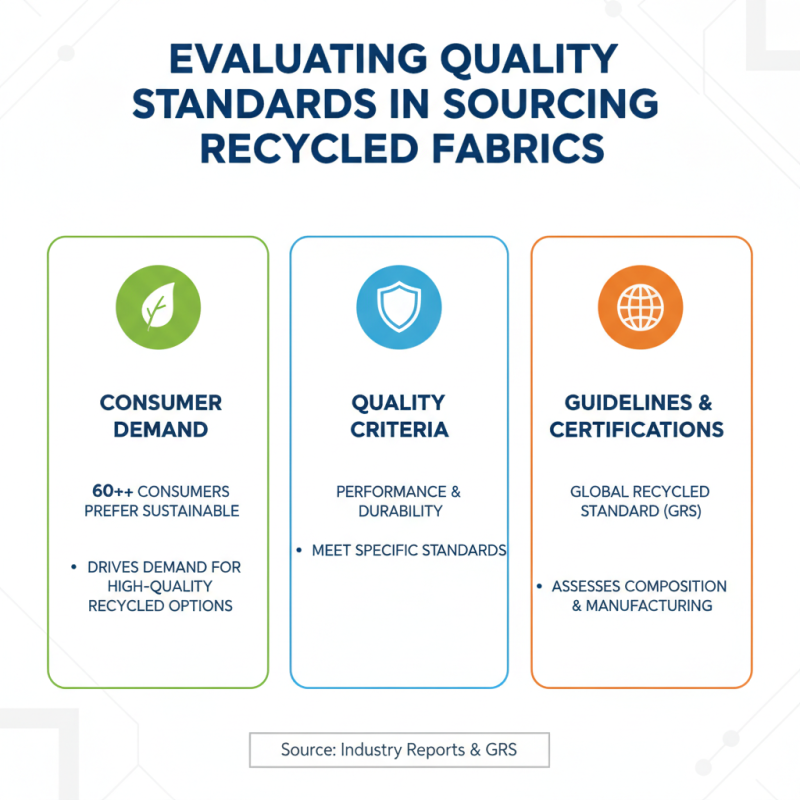
When sourcing recycled polyester fabric, quality standards are crucial. Industry reports indicate that more than 60% of consumers prefer sustainable fabrics, which drives demand for high-quality recycled options. Fabrics must meet specific criteria to ensure performance and durability. Organizations like the Global Recycled Standard provide guidelines for assessing the composition and manufacturing methods of recycled textiles.
Evaluating the quality of recycled fabrics involves checking certifications and consistent testing. Reports from the Textile Exchange highlight that certification can enhance credibility. Suppliers should provide transparency regarding their sourcing processes. Detailed documentation can reveal the origin of materials, ensuring they are truly recycled.
However, not all suppliers maintain high standards. Some may offer recycled fabric with minimal post-consumer content. It's essential for brands to verify claims. This emphasis on traceability can help in making informed choices. Without it, quality may become a mere promise, not a guarantee. The challenge remains: finding reliable partners who prioritize ethical sourcing and quality assurance.
Navigating Global Markets for Sustainable Polyester Sourcing
Navigating global markets for sustainable polyester sourcing requires insight into various factors. The demand for recycled polyester is on the rise, driven by consumer awareness and eco-consciousness. According to a 2022 report from the Textile Exchange, the recycling rate of polyester was only about 16% globally. This highlights a significant opportunity for brands to invest in sustainable practices while meeting consumer expectations.
When sourcing recycled polyester, consider the supply chain's transparency. Understanding where materials originate can enhance sustainability claims. A report from McKinsey notes that brands with clear sourcing policies tend to perform better in consumer trust. Yet, challenges remain. Issues such as inconsistent material quality and fluctuating raw material prices complicate the sourcing process.
It's crucial to establish relationships with reliable suppliers. Research their production methods and certifications. The adoption of circular economy principles also plays a vital role. Brands focusing on these principles may face hurdles, like limited access to quality recycled materials. Successfully navigating these challenges requires a commitment to sustainability and ongoing evaluation of sourcing strategies.