How to Source Recycled Pet Fabric at the 139th Canton Fair?
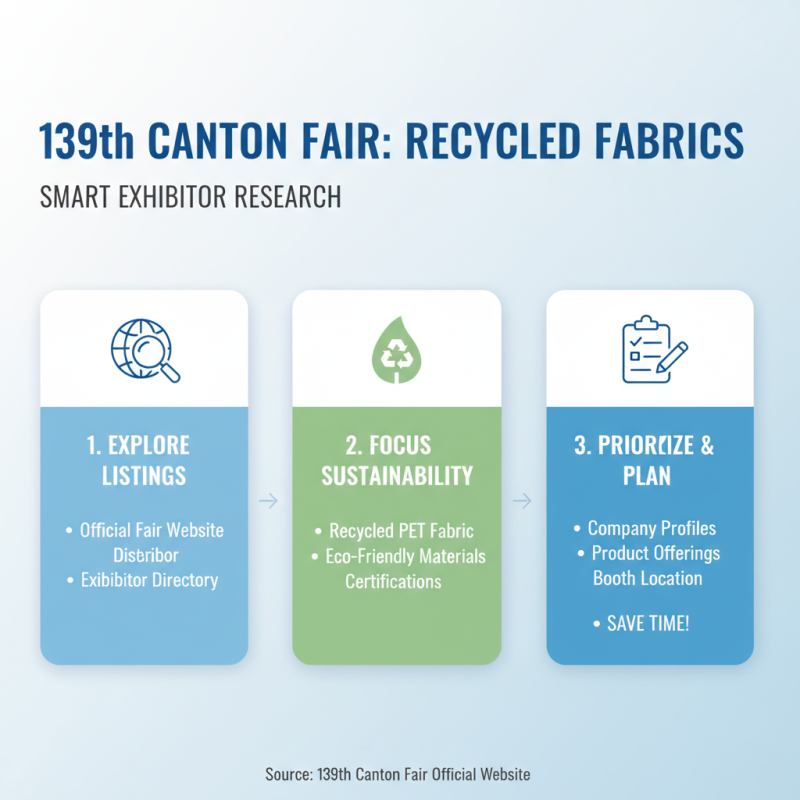
As the 139th Canton Fair approaches, opportunities abound for sourcing sustainable materials, particularly Recycled Pet Fabric. This fabric comes from recycled plastic bottles, transforming waste into innovative textiles. The fair, set for April 2026, will highlight the importance of advanced manufacturing and sustainable materials.
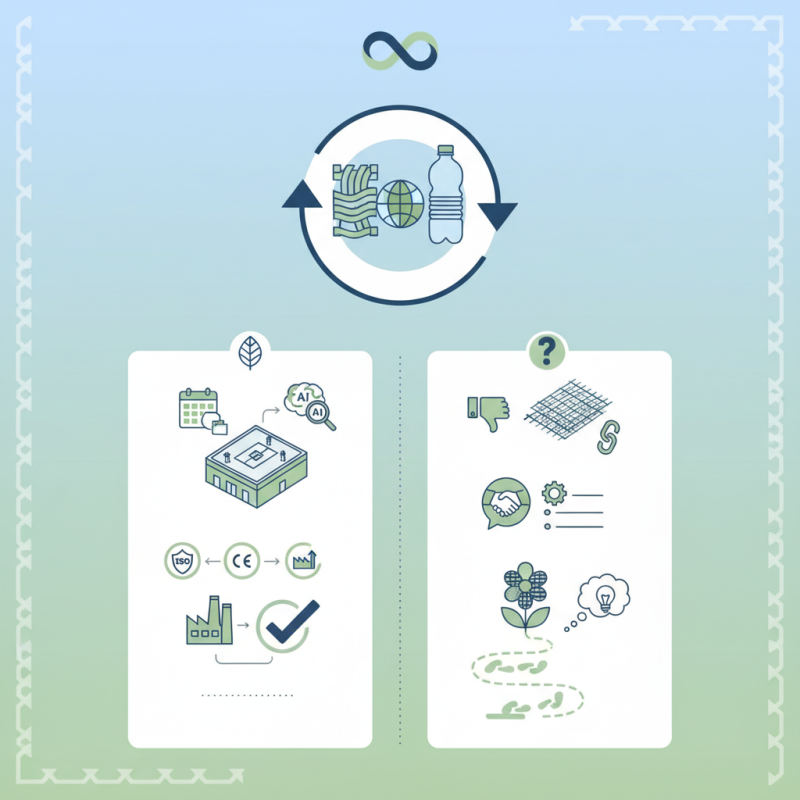
Attendees can navigate the expansive 1.55 million square meters of exhibits thanks to new AI-driven tools. These features enable precise supplier searches based on certifications like ISO and CE. However, finding quality suppliers still presents challenges. Not all vendors meet high standards, which can lead to disappointment.
Exploring Recycled Pet Fabric at the fair might be rewarding, yet it requires diligence. Buyers should prepare for potential obstacles in quality assessment. Engaging with suppliers directly and asking tough questions is essential. Sourcing sustainable materials like Recycled Pet Fabric is a journey that demands careful consideration and reflection.
Understanding Recycled PET Fabric and Its Benefits
Recycled PET fabric is increasingly popular in the fashion industry. This eco-friendly material is made from recycled plastic bottles. It helps reduce waste and minimizes reliance on virgin materials. Using this fabric supports sustainability efforts. Brands can appeal to environmentally conscious consumers.
The benefits of recycled PET fabric are significant. It requires less energy to produce than traditional fabrics. This means lower carbon emissions. Additionally, it often provides durability similar to virgin polyester. However, sourcing high-quality recycled PET fabric can be challenging. There may be inconsistencies in quality among suppliers. Ensuring proper vetting processes is essential.
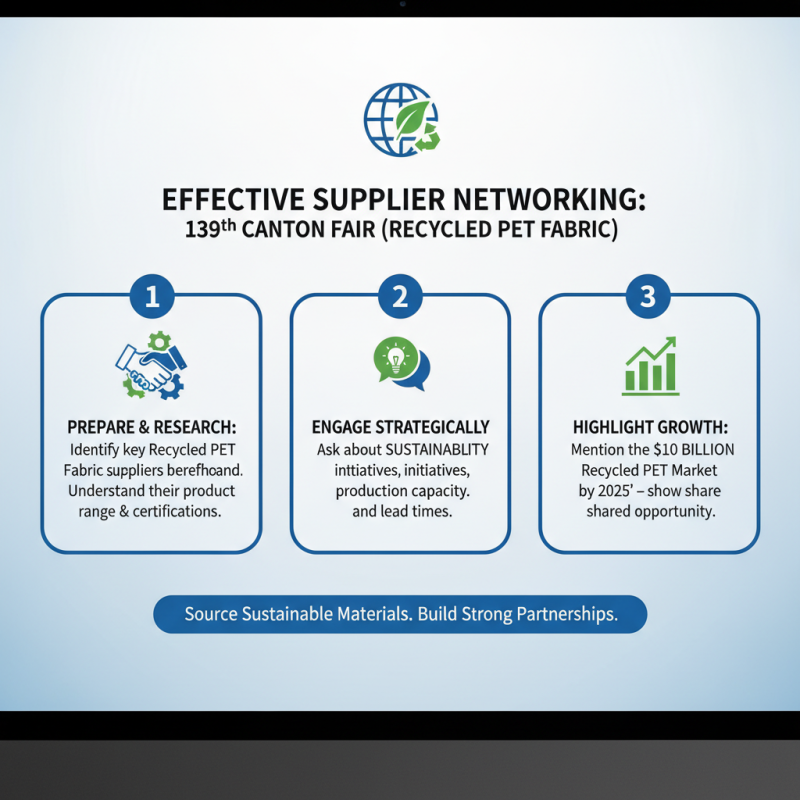
At the 139th Canton Fair, buyers should pay attention to details. Ask about the sourcing methods and production processes. It’s vital to know the quantities available. Consider the environmental certifications of potential suppliers. Reflect on how these choices align with your brand's values. The right partnership can enhance your commitment to sustainability.
Evaluating Quality and Sustainability of Recycled PET Samples
Evaluating the quality and sustainability of recycled PET fabric is crucial for sourcing at trade fairs like the Canton Fair. In recent years, the market for recycled PET has expanded significantly. According to the global report from the Textile Sustainability Alliance, the demand for recycled fibers is expected to grow by 25% annually. This underscores the need for careful evaluation when choosing suppliers.
When assessing recycled PET samples, focus on key indicators of quality. Check for certifications like GRS (Global Recycled Standard) and RCS (Recycled Claim Standard). These labels indicate sustainable practices in sourcing and production. Additionally, look for transparency in the supply chain. Some suppliers may struggle to provide this information, raising concerns about their sustainability claims.
Examining the physical properties is equally important. Feel the texture of the fabric. Is it soft and durable? Quality can vary greatly between suppliers. Reports indicate that up to 30% of recycled products fail to meet quality standards. This inconsistency can lead to unsatisfactory end products. Therefore, consider sourcing a variety of samples to compare. Conduct experiments to test their durability and performance in real-world applications.
How to Source Recycled Pet Fabric at the 139th Canton Fair? - Evaluating Quality and Sustainability of Recycled PET Samples
| Sample ID |
Color |
Weight (g/m²) |
Recycled Content (%) |
Certifications |
Supplier Location |
| RPF001 |
Blue |
200 |
100 |
GOTS, OEKO-TEX |
China |
| RPF002 |
Green |
180 |
85 |
ISO 14001 |
Vietnam |
| RPF003 |
Grey |
220 |
90 |
RCS, GRS |
Thailand |
| RPF004 |
Red |
195 |
75 |
OEKO-TEX, GRS |
India |
| RPF005 |
Black |
210 |
95 |
GOTS, ISO 14001 |
Turkey |
Negotiating Best Prices and Terms for Recycled PET Fabric Purchases
Negotiating for recycled PET fabric at the 139th Canton Fair can be rewarding, yet challenging. Buyers should be prepared for the nuances of price discussions. Often, the initial quoted price is not the final price. It's crucial to engage in conversations and not settle right away.
Tips: Always ask for samples first. This allows you to evaluate the quality. Understanding the quality can empower your negotiations. If the fabric meets your standards, you can request a better price. Remember, suppliers value long-term relationships. Highlighting your commitment may lead to additional discounts.
Consider potential challenges during negotiations. Language barriers can create misunderstandings. Clarify terms with patience. Don’t hesitate to write down the important points. It helps avoid confusion later. Another common issue is lead times; ensure you have realistic timelines in place.
Tips: Build a rapport with suppliers. A friendly relationship can lead to improved pricing. Sometimes, sharing your business goals can be beneficial. Some suppliers are inclined to offer better deals if they see potential in your plans. Negotiation is not just about numbers; it's about creating mutual benefits.
Recycled PET Fabric Price Trends at the 139th Canton Fair
This chart illustrates the average price trends for recycled PET fabric from January to June. As observed, there is a decreasing trend in prices, suggesting a potential buyer's market as the Canton Fair approaches.