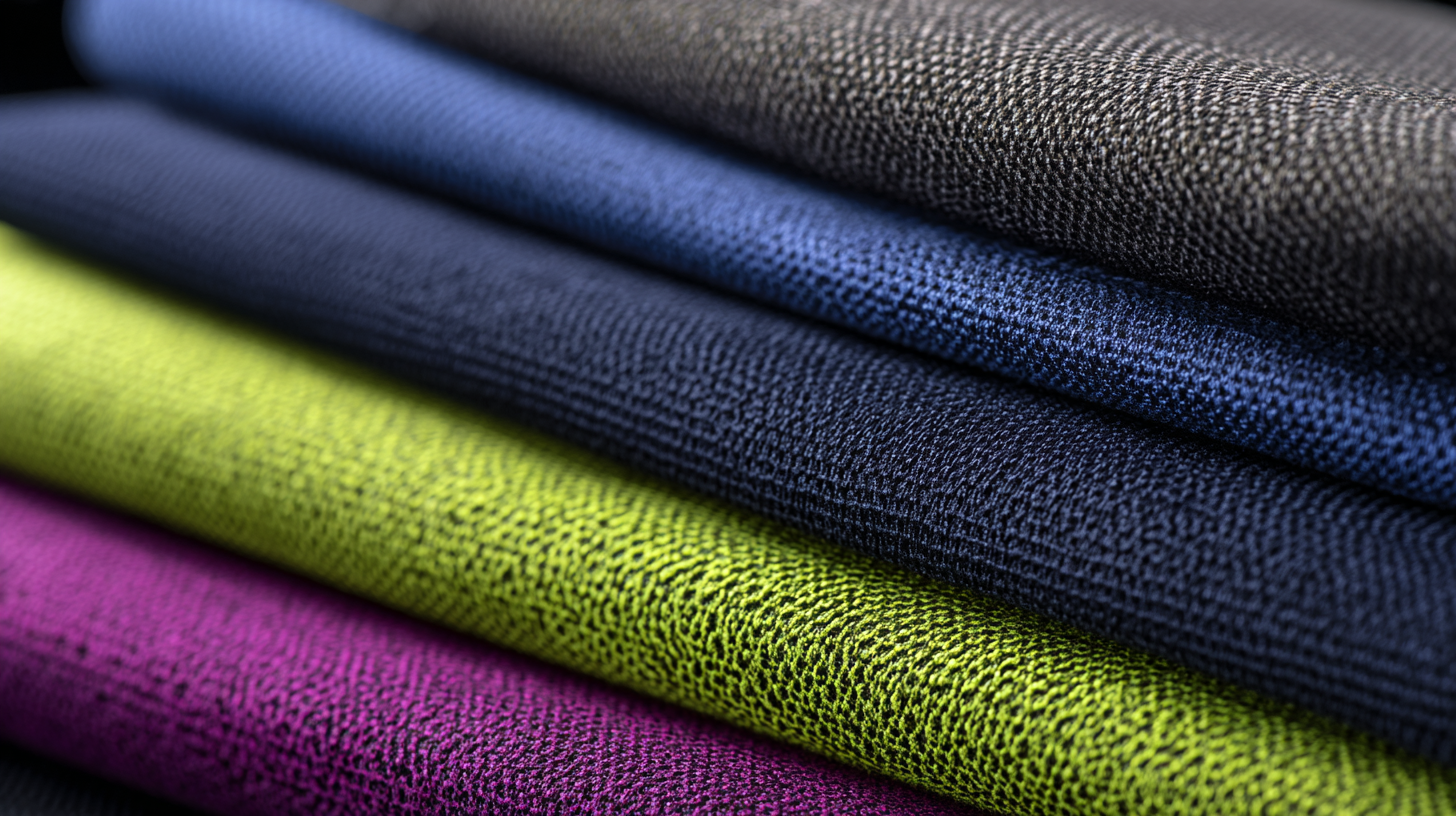
The Science Behind Stretchable Polyester Fabric: Innovations in Textile Flexibility and Performance
The evolution of textile technology has ushered in remarkable innovations, particularly with the emergence of stretchable polyester fabric, which has revolutionized the apparel and fashion industries. According to a recent report by Research and Markets, the global polyester market is expected to reach $101 billion by 2025, driven by the growing demand for versatile and durable fabrics. Stretchable polyester fabric is at the forefront of this transformation, offering not only exceptional flexibility and comfort but also enhanced moisture-wicking properties and resilience. Its unique composition allows for improved fit and mobility, making it ideal for a variety of applications, from activewear to everyday clothing. As the industry continues to evolve, understanding the science behind these advancements will enable manufacturers to meet consumer demands for both performance and sustainability in textile production.
Understanding the Basics of Stretchable Polyester Fabric
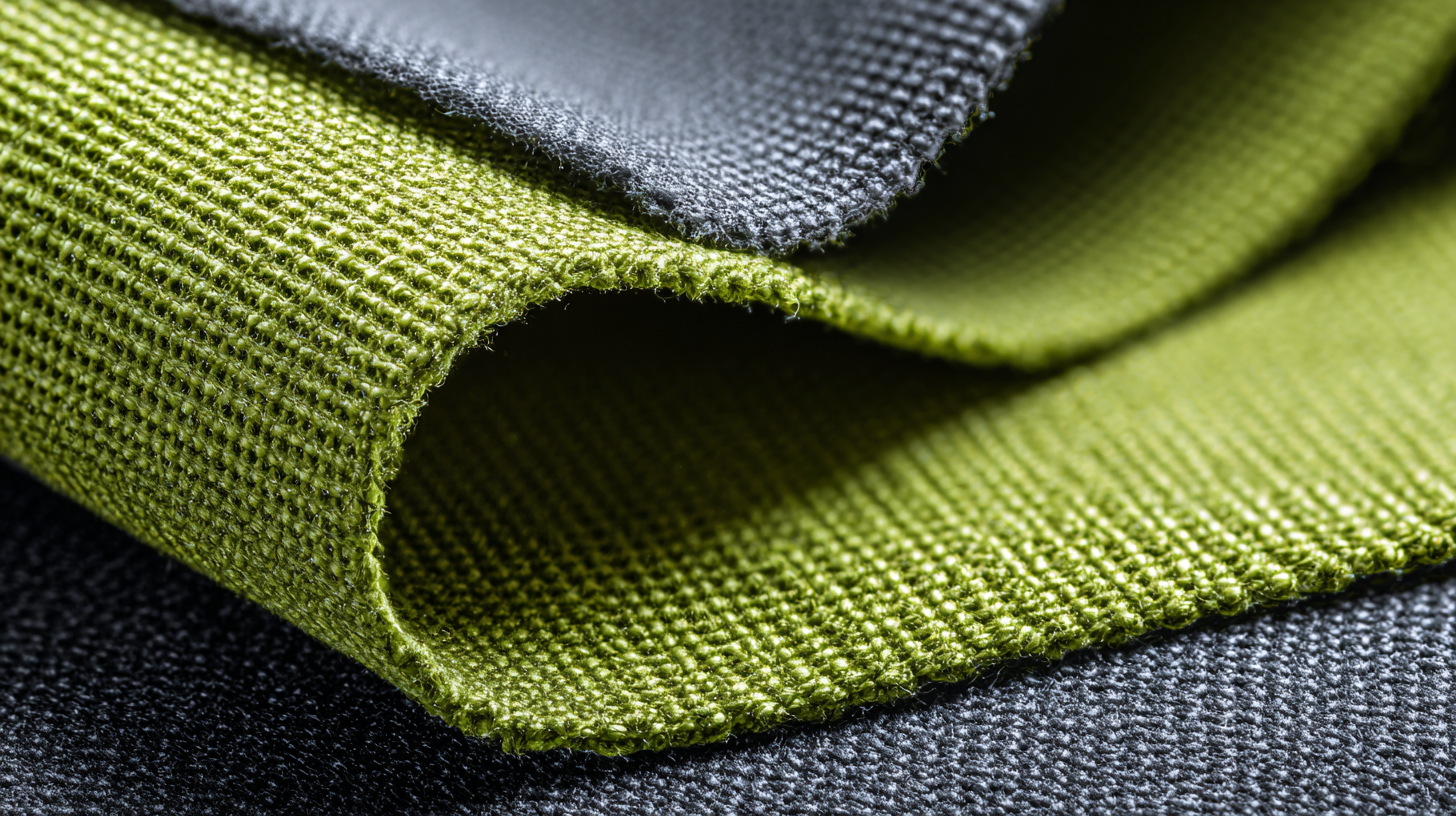
Stretchable polyester fabric has become increasingly popular due to its unique properties that combine flexibility with performance. Understanding the basics of this innovative textile reveals how it caters to contemporary fashion needs. Polyester, known for its durability and resilience, can be engineered with stretchable properties, making it suitable for activewear and casual clothing alike. This fabric responds to the movement of the body while maintaining its shape, allowing for ease of wear without compromising on style.
The advancements in textile technology have brought about significant improvements in polyester blends, resulting in fabrics that not only stretch but also offer breathability and moisture-wicking capabilities. As consumers become more conscious of fabric choices, particularly those that are eco-friendly and non-toxic, the demand for sustainable polyester options is rising. Brands are now exploring ways to innovate within this category, providing consumers with stylish yet functional clothing that supports an active lifestyle while also being mindful of the environment.
Key Innovations in Textile Flexibility Technology
Recent advancements in textile technology have significantly enhanced the flexibility and performance of stretchable polyester fabrics. Key innovations, such as the development of elastic polymers and advanced weaving techniques, contribute to fabrics that exhibit superior stretchability without compromising durability. According to a report by Smithers Pira, the global market for stretchable textiles is projected to grow to $7.6 billion by 2025, underscoring the increasing demand for versatile fabrics in various applications, including sportswear and medical textiles.
One notable innovation is the integration of smart fibers that respond to environmental stimuli, providing dynamic adjustment to stretch and fit. This technology, along with the utilization of 3D knitting, allows for the creation of seamless garments that enhance comfort and freedom of movement. Additionally, a report from Mordor Intelligence highlights that the application of stretchable polyester can improve moisture-wicking properties by 30%, resulting in enhanced performance for athletes. These breakthroughs not only meet consumer demands for comfort and flexibility but also pave the way for more functional and sustainable textile solutions in the industry.
Assessing Performance Metrics of Stretchable Polyester Fabrics
The performance metrics of stretchable polyester fabrics are critical in assessing their suitability for various applications, from athletic wear to everyday clothing. One of the primary factors in evaluating these fabrics is their elasticity, which is typically measured by the percentage of stretch and recovery properties. High-performance stretchable polyesters can elongate significantly while retaining their original shape, contributing to comfort and freedom of movement for the wearer.
Another vital performance metric is durability, which encompasses resistance to wear and tear, and the ability to maintain structural integrity after repeated use and washing cycles. Innovations in textile technology have led to advancements in the resilience of stretchable polyester fabrics, ensuring they remain functional and aesthetically pleasing over time.
Additionally, moisture-wicking and breathability are critical characteristics that enhance the comfort of these fabrics, allowing for improved temperature regulation during physical activity. By analyzing these performance metrics, manufacturers can create polyester fabrics that not only meet the demands of modern consumers but also offer enhanced functionality and longevity.
Applications of Stretchable Polyester in Modern Fashion and Sportswear
Stretchable polyester fabric is revolutionizing the way we think about modern fashion and sportswear, particularly in children's activewear. As demand for functional and comfortable clothing rises, brands are increasingly incorporating stretchable, moisture-wicking, and sun-blocking technologies into their collections. A recent report highlights that the global activewear market is projected to reach USD 546.5 billion by 2024, showcasing a compound annual growth rate (CAGR) of 7.9%. This trend is driven by a growing focus on health and fitness, as well as the increasing popularity of athleisure as a staple in everyday wear.
The versatility of stretchable polyester allows for enhanced movement and comfort, making it an ideal choice for active lifestyles. With applications ranging from fitted tank tops to flexible bike shorts, this material is particularly advantageous for children's clothing that must withstand both play and outdoor activities. Furthermore, studies indicate that moisture-wicking technologies keep wearers dry and comfortable, particularly in active situations. As brands innovate, the emphasis on sustainability in product development also continues to grow, pushing for eco-friendly practices within the textile industry and ensuring that the latest advancements in fabric technology align with consumer expectations for performance and environmental responsibility.

Future Trends and Sustainability in Stretchable Fabric Development
As the demand for stretchable polyester fabrics continues to rise, the emphasis on sustainability in textile development becomes increasingly crucial. Innovations in manufacturing processes are leading to eco-friendly alternatives, which not only enhance the performance of stretchable fabrics but also minimize environmental impact. Brands are adopting recycled materials and sustainable practices to cater to the environmentally conscious consumer, marking a significant trend in the industry.
Tips: When choosing sportswear, look for products made from stretchable fabrics that prioritize sustainability. Check for certifications or labels that indicate recycled materials or environmentally friendly production methods.
Moreover, the global golf apparel market is expected to witness substantial growth, projected to reach nearly $4.88 billion by 2025, and further soar to over $71 billion by 2033. This trend emphasizes the ongoing shift towards not just performance-enhancing materials but also those that support a sustainable future in the sportswear sector.
Tips: Always consider the technology behind the fabric. Opt for brands that invest in research and development to bring more innovative, breathable, and flexible options to the market, ensuring both style and functionality.
The Science Behind Stretchable Polyester Fabric: Innovations in Textile Flexibility and Performance - Future Trends and Sustainability in Stretchable Fabric Development
| Innovation Area |
Description |
Benefits |
Future Trends |
Sustainability Focus |
| Bio-based Polyester |
Utilization of renewable resources for fabric production. |
Reduction in reliance on fossil fuels. |
Increased investment in bioengineering. |
Focus on reducing carbon footprint. |
| Advanced Weaving Techniques |
Innovative methods to enhance fabric weave flexibility. |
Improved comfort and durability. |
Integration of smart textiles. |
Utilization of recycled materials. |
| Nano-coatings |
Application of nanotechnology for enhanced performance. |
Water and stain resistance. |
Development of self-cleaning fabrics. |
Reducing the need for frequent washing. |
| 3D Knitting |
Knit construction technology enabling seamless designs. |
Customized fit and reduced waste. |
Rise of on-demand production systems. |
Minimizing material offcuts. |
| Moisture Wicking Technology |
Fabric technology allowing sweat to evaporate. |
Increased comfort during physical activity. |
Innovations for temperature regulation. |
Development of fabrics that recycle sweat. |