Top Recycled Polyester Fabric Trends at 2026 Canton Fair?
As the 2026 Canton Fair approaches, "Recycled Polyester Fabric" will emerge as a focal point in the textile industry. Industry expert Dr. Emily Chen emphasizes its importance, stating, "Sustainable fabrics like recycled polyester are not just trends; they are essential for our planet's future." This statement underscores the shift toward eco-friendly materials in textile manufacturing.
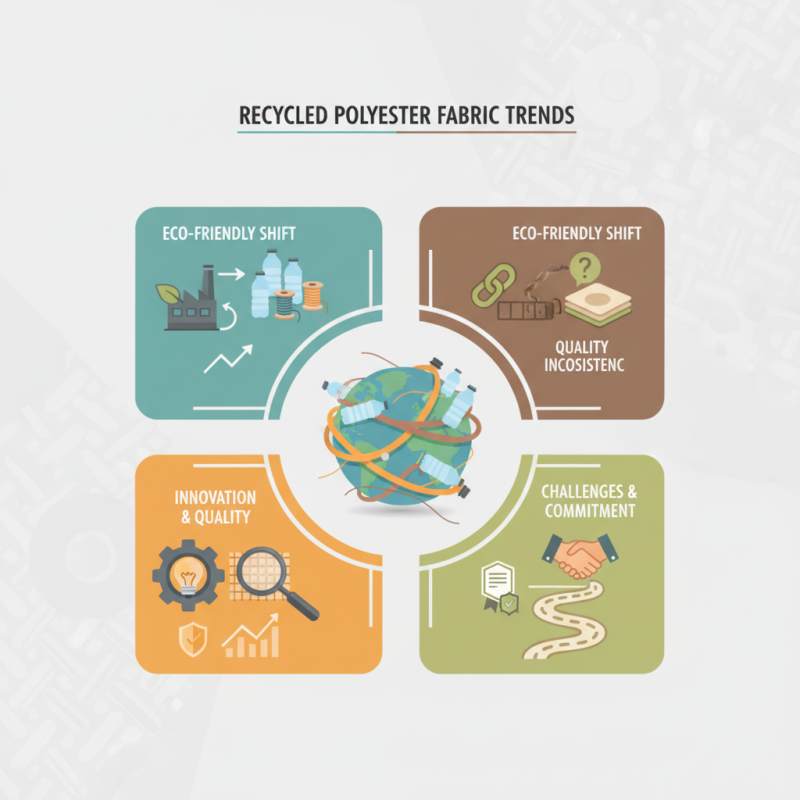
The upcoming fair, held from April 15 to May 5, will showcase innovative advances in recycled polyester. This fabric, made from repurposed plastic bottles, reduces waste significantly. Producers are adopting cutting-edge technologies to enhance its quality. Sustainable practices in sourcing and production are pressuring the industry for transparency and accountability.
However, challenges remain. Not all recycled polyester meets high standards. Ensuring consistency in quality can be tricky. The responsibility lies with manufacturers to maintain rigorous testing. Buyers at the fair will need to focus on suppliers who have verifiable certifications. Making informed choices is vital to drive the industry forward. The use of recycled polyester might be growing, but genuine commitment to sustainability is still a journey in progress.
Top Sustainable Innovations in Recycled Polyester Fabrics for 2026
The 2026 Canton Fair is set to showcase remarkable innovations in recycled polyester fabrics, reflecting a growing emphasis on sustainability. Industry reports indicate that the demand for recycled polyester is increasing at a rate of 9% annually. This trend underlines a shift towards eco-friendly materials in fashion and textiles.
New developments in recycled polyester focus on enhancing performance while reducing environmental impact. Advanced processing techniques are being used to recycle post-consumer plastics. For instance, some manufacturers report that they can reclaim up to 90% of the energy typically required for producing polyester. These methods significantly cut down carbon emissions while providing durable fabric options.
However, challenges remain. The existing recycling processes can struggle with quality consistency. The durability of recycled fabrics often varies. Consumers and brands must communicate effectively about these limitations to set realistic expectations. Innovative solutions are essential for overcoming these hurdles. Future technologies may improve fabric quality and performance, paving the way for more widespread adoption.
Market Growth Projections for Recycled Polyester Fabric Industry by 2026
The recycled polyester fabric industry is witnessing remarkable growth. By 2026, the demand for sustainable textiles will surge. Consumers are increasingly environmentally conscious. They are opting for products made from recycled materials. This shift is reshaping market dynamics.
At events like the Canton Fair, innovation takes center stage. Manufacturers showcase their latest designs. Eco-friendly colors and patterns attract attention. However, challenges persist. Not all recycled fabrics meet high quality standards. Some materials still lack durability. Producers must focus on enhancing quality while maintaining sustainability.
Experts project a 20% growth rate in this sector by 2026. The industry must adapt to trends and consumer needs. It's essential to balance sustainability with performance. Investment in technology and processes is vital. Continuous improvement is necessary to foster consumer trust. The future of recycled polyester looks bright, yet it requires commitment and reflection.
Top Recycled Polyester Fabric Trends at 2026 Canton Fair
| Trend |
Market Growth (%) |
Sustainability Focus |
Geographic Demand |
| High Performance Fabrics |
25% |
Biodegradable Options |
North America, Europe |
| Eco-friendly Dyeing Techniques |
20% |
Water Reduction |
Asia-Pacific |
| Recycled Blends with Natural Fibers |
30% |
Circular Economy |
Europe, North America |
| Smart Textiles |
15% |
Energy Efficient |
Global |
| Innovative Weaving Techniques |
18% |
Sustainable Production |
Latin America |
Key Manufacturers and Their Contributions to Recycled Polyester Developments
The 2026 Canton Fair is highlighting exciting advancements in recycled polyester fabric. Various manufacturers showcase innovative techniques to produce sustainable materials. Companies focus on using post-consumer waste. This initiative aligns with global sustainability goals.
Some manufacturers incorporate advanced recycling methods. They turn plastic bottles into high-quality fabric. However, challenges persist. Not all recycled polyester has the same durability. There are variations that customers need to be aware of.
Collaboration among key players fosters development. Some companies are exploring new dyeing processes. This can reduce water usage significantly. However, not all methods are commercially viable yet. There’s still a long way to go in making recycled polyester mainstream.
Consumer Preferences Driving Trends in Recycled Polyester Fabric Selection
Consumer preferences are reshaping the landscape of recycled polyester fabrics. Recent reports indicate that sustainability is no longer just a trend; it's a priority for buyers. A survey by the Textile Exchange shows that 76% of consumers prefer products made from recycled materials. This preference drives manufacturers to offer more eco-friendly options. In 2026, this could mean a significant increase in the availability of innovative recycled polyester fabrics.
Details matter when it comes to selection. Many consumers now look for specific attributes, such as durability and softness. According to a report by the World Economic Forum, 40% of consumers desire fabrics that are both sustainable and high-performing. This creates a challenge for brands to balance eco-friendliness with functionality. While options are increasing, some choices still fall short of consumer expectations.
The industry faces ongoing hurdles. Not all recycled polyester fabrics deliver the quality promised. This can lead to consumer disappointment. As companies strive to keep up with evolving tastes, they must ensure that their recycled products meet high standards. More research and investment is needed to address these quality concerns and enhance consumer trust.
Technological Advances in Recycling Processes Shaping Future Fabric Trends
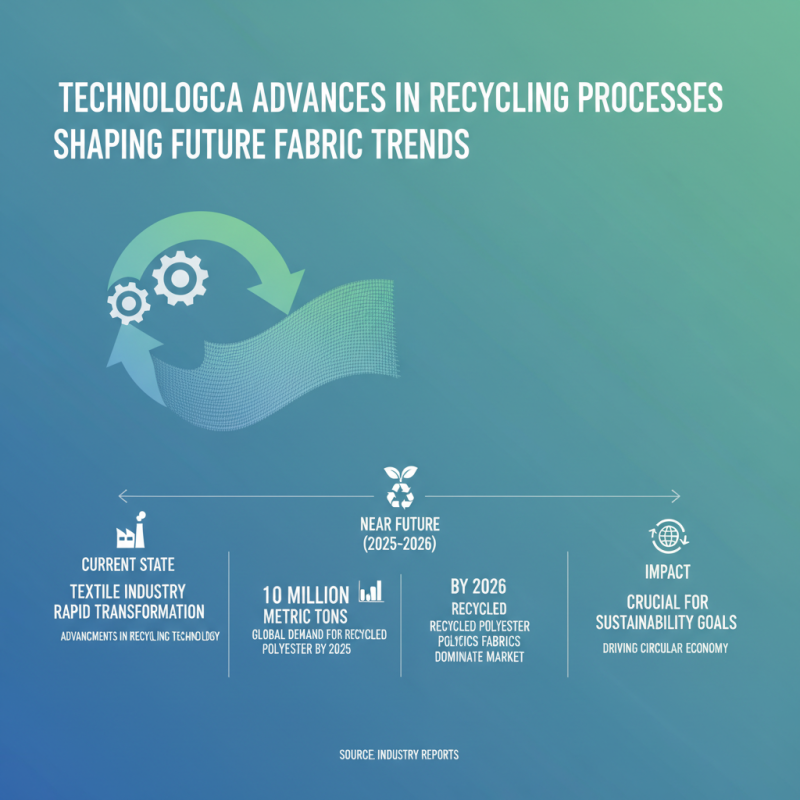
The textile industry is undergoing rapid transformation thanks to advancements in recycling technology. By 2026, recycled polyester fabrics will dominate the market. Industry reports indicate that the global demand for recycled polyester is projected to reach 10 million metric tons by 2025. This shift is crucial for sustainability goals.
Innovative recycling processes, such as chemical recycling, are gaining traction. This technology allows the recovery of polyester from post-consumer waste, ensuring minimal environmental impact. According to the European PET Bottle Platform, recycling processes can reduce CO2 emissions by up to 60%. These methods not only enhance fabric quality but also allow for the production of high-performance textiles.
Yet, challenges remain. The high energy requirements for certain recycling methods can offset environmental benefits. Moreover, consumer awareness about recycled fabrics still needs improvement. Many consumers perceive recycled materials as inferior in quality. Bridging this gap is essential for the growth of the recycled polyester market. Improved education and marketing strategies could change perceptions, leading to higher adoption rates. The future of sustainable fashion hinges on these developments in recycling technology.