Recycled PET Fabric: Transforming Plastic Waste into Sustainable Fashion Solutions for a Greener Future
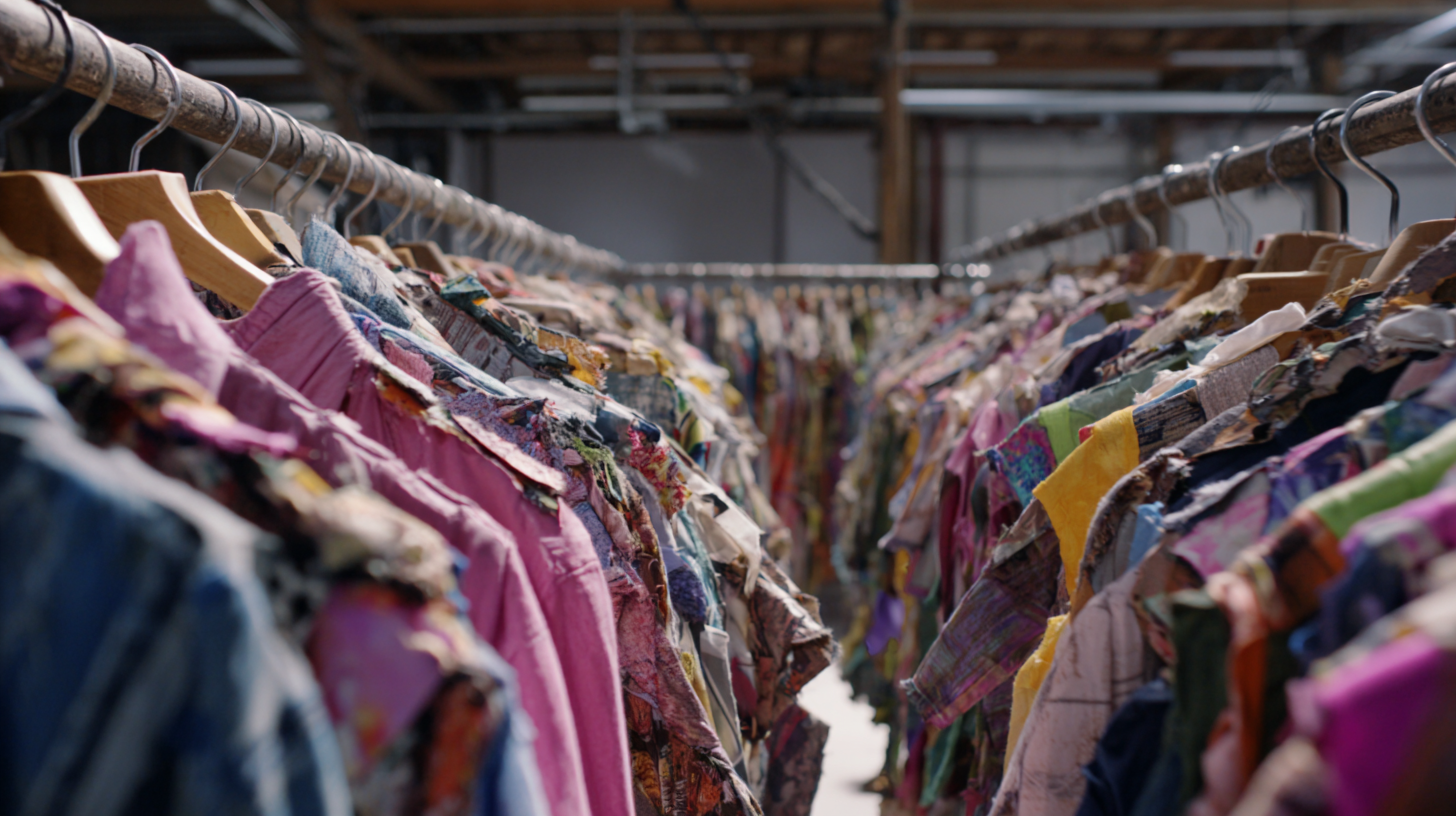 Recycled PET fabric is emerging as a transformative solution in the fashion industry, addressing both sustainability concerns and the growing volume of plastic waste. According to a report by the Textile Exchange, more than 60 million tons of plastic are produced each year, with a significant portion ending up in landfills and oceans. The use of recycled PET fabric not only diverts plastic waste from these environments but also significantly reduces the carbon footprint associated with textile production. For example, producing recycled polyester can use up to 59% less energy compared to virgin polyester production, as reported by the Ellen MacArthur Foundation. As consumer demand for environmentally friendly products escalates, brands are increasingly adopting recycled PET fabric to meet these expectations while contributing to a circular economy. This innovative approach not only helps reduce dependence on fossil fuels but also fosters a more sustainable future for fashion.
The Innovative Process of Creating Recycled PET Fabric from Plastic Waste
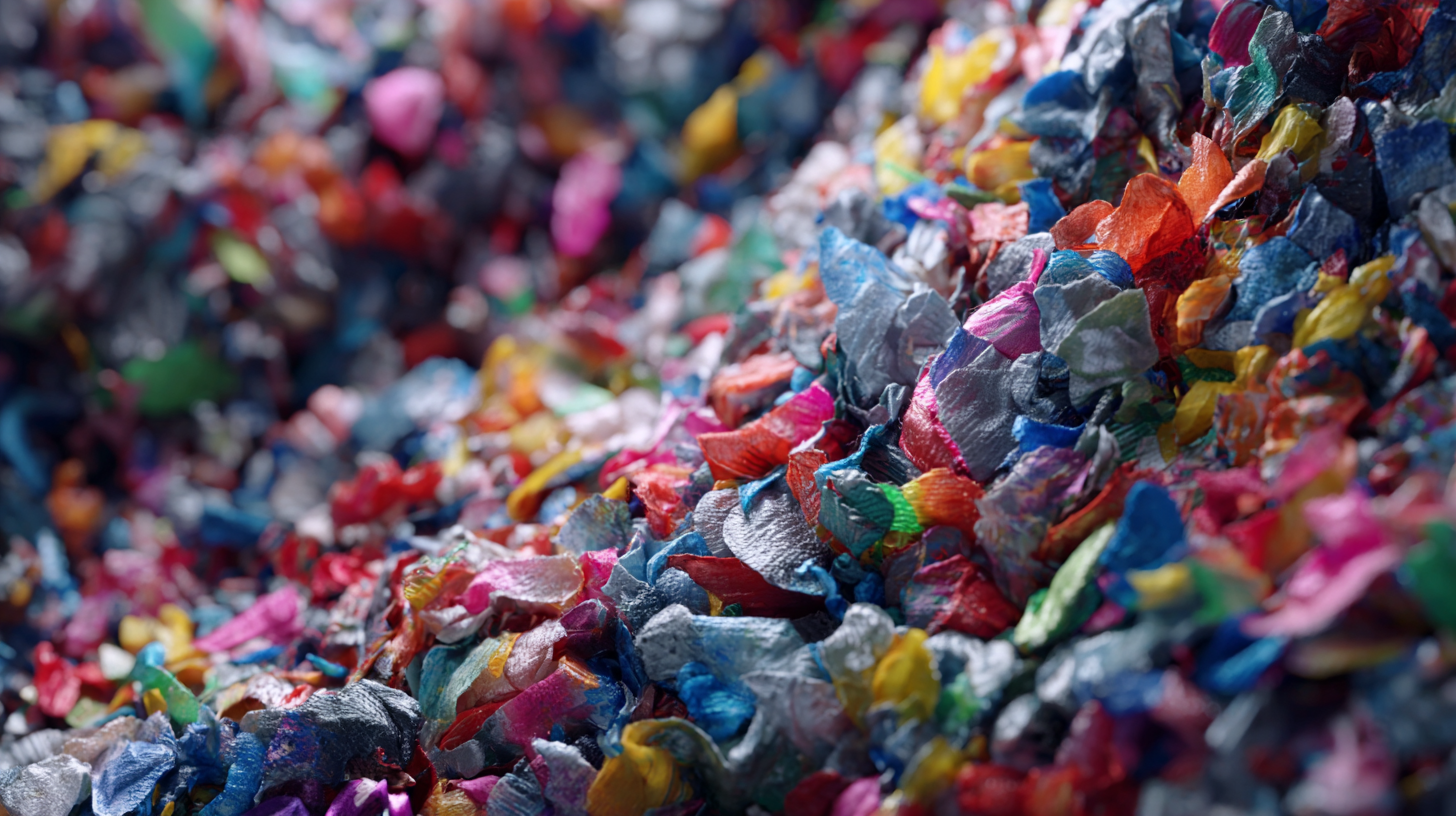
The innovative process of creating recycled PET fabric begins with the collection and sorting of plastic waste, particularly polyethylene terephthalate (PET) bottles. Once collected, these bottles undergo thorough cleaning to remove contaminants such as labels and caps. They are then chopped into small flakes, which are melted down and extruded into fibers. This transformation turns discarded plastic into a raw material that can be woven into fabric, offering a sustainable alternative to virgin polyester.
These recycled PET fibers possess remarkable qualities, including durability and versatility, making them suitable for a diverse range of applications in the fashion industry. Designers increasingly leverage these materials to create stylish garments and accessories, fostering a circular economy that minimizes waste and reduces reliance on fossil fuels. By transforming plastic waste into high-quality fabric, this innovative process not only addresses environmental concerns but also promotes awareness about sustainable practices, paving the way for a greener future in fashion.
Recycled PET Fabric: Transforming Plastic Waste into Sustainable Fashion Solutions for a Greener Future
| Dimension |
Value |
| Raw Material Source |
Post-consumer plastic bottles |
| Recycling Process Steps |
Collection, Sorting, Cleaning, Shredding, Melting, Spinning |
| Energy Consumption |
30-50% less than virgin PET production |
| CO2 Emissions Reduction |
Up to 60% compared to conventional fabrics |
| Durability |
Comparable to virgin PET fabrics |
| Water Usage |
Up to 90% reduction in water usage |
| Market Growth Rate |
15% CAGR over the next 5 years |
| End-of-Life Options |
Recycling, Upcycling, Biodegradable alternatives |
Environmental Benefits of Using Recycled PET in Fashion Industry
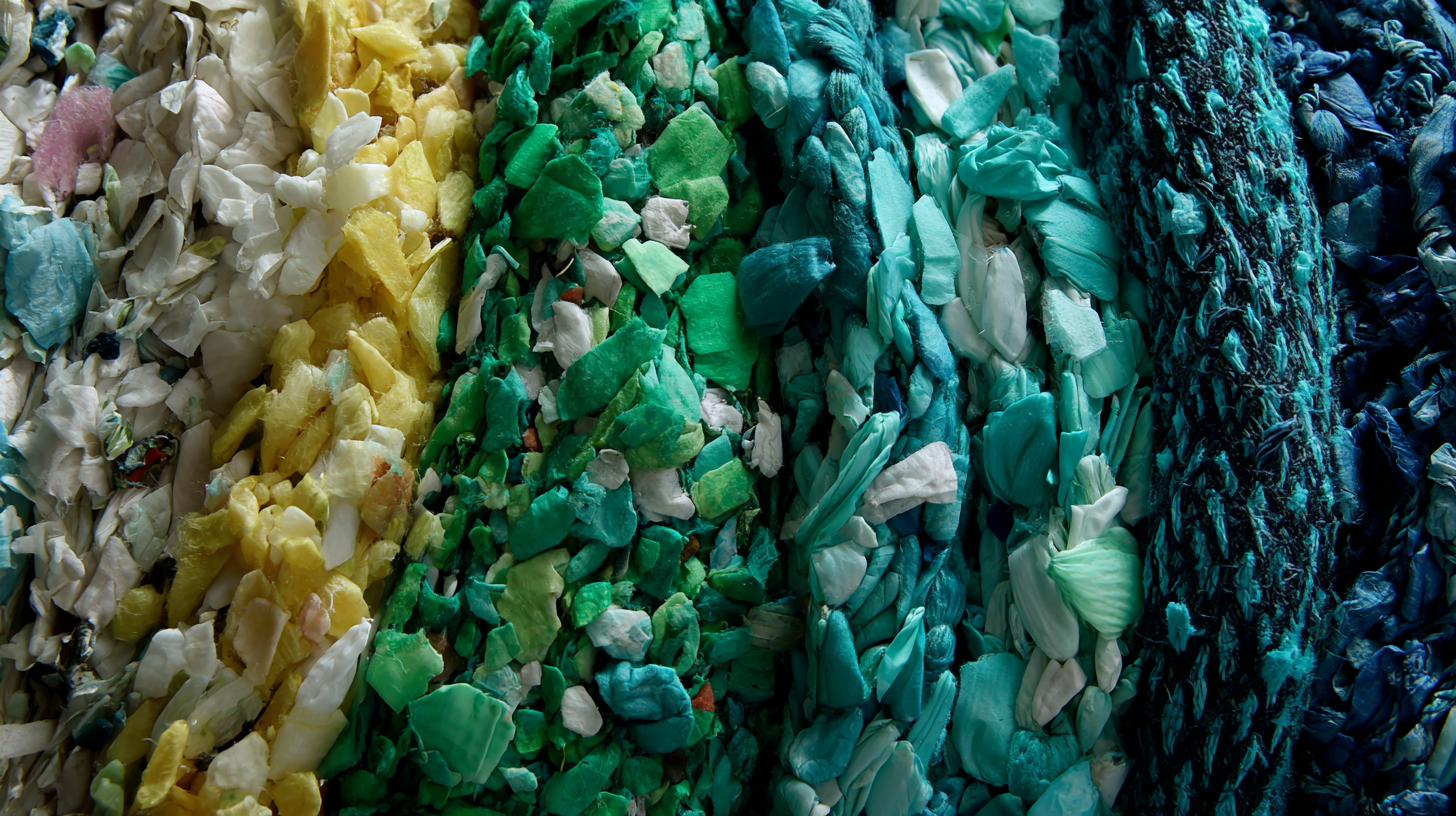 Recycled PET fabric is revolutionizing the fashion industry by turning plastic waste into eco-friendly clothing options. The environmental benefits of using recycled PET (rPET) are significant. For instance, rPET helps reduce the amount of plastic waste entering landfills and oceans, ultimately mitigating the growing issue of plastic pollution. By recycling existing plastic bottles and containers, the fashion industry can lighten its ecological footprint, conserve natural resources, and significantly lower carbon emissions compared to producing virgin polyester.
Tips for consumers looking to support sustainable fashion include choosing brands that prioritize recycled materials in their collections. Look for clothing labels that specify the use of rPET, as this indicates a commitment to reducing waste and promoting environmental sustainability. Additionally, consider participating in recycling programs or initiatives that encourage proper disposal of textiles and plastics to minimize waste in our communities.
Shifting towards rPET not only signifies a step toward sustainable fashion but also inspires innovation within the industry. Fashion brands are increasingly investing in technology to improve the quality and performance of rPET fabrics, ensuring that style and sustainability go hand in hand. By supporting these initiatives, consumers can help drive demand for environmentally responsible practices, fostering a greener future for fashion.
Spotlighting Sustainable Brands Leveraging Recycled PET Fabrics
The fashion industry is witnessing a notable shift towards sustainability, particularly through the innovative use of recycled PET fabrics. Brands are increasingly adopting these eco-friendly materials, transforming discarded plastics into stylish clothing and accessories. This shift not only addresses the growing concern of plastic waste but also sets the stage for a more responsible and sustainable fashion ecosystem. By leveraging recycled PET fibers, companies are carving a path toward sustainable manufacturing while meeting consumer demand for environmentally conscious products.
Among the brands making strides in this arena, several have showcased remarkable initiatives in utilizing recycled PET fabrics. Recent advancements include partnerships with academic institutions to develop cutting-edge recycling technologies, allowing for more efficient reuse of materials. This approach not only enhances the quality of the final products but also significantly reduces the environmental impact associated with traditional fabric production methods. As these brands continue to innovate and educate consumers about the importance of sustainability, the future of fashion looks increasingly promising, offering stylish solutions that prioritize the health of our planet.
The Future of Fashion: Circular Economy and Recycled Materials
The future of fashion is increasingly intertwined with the principles of the circular economy, where sustainability and ethical sourcing take center stage. As the fashion industry continues to grapple with its environmental impact, the adoption of recycled materials, particularly recycled PET (rPET) fabric, is a promising solution. According to a report by the Global Sustainability Institute, the use of recycled fibers can reduce greenhouse gas emissions by up to 60% compared to conventional fibers. In fact, the recycled PET market is projected to reach $15 billion by 2027, showcasing a burgeoning demand for sustainable alternatives.
Incorporating rPET fabric into production can significantly lower waste—a critical aspect of the circular economy. Textile waste, amounting to over 92 million tons globally each year, poses a severe threat to our environment. By utilizing recycled materials, brands are not only minimizing landfill contributions but also conserving natural resources. For shoppers looking to support sustainable fashion, choosing products made from rPET or other recycled materials can make a meaningful impact.
**Tips:** When shopping for eco-friendly clothing, look for labels that specifically mention the use of recycled materials. Additionally, consider brands that participate in take-back programs, ensuring that your old clothes are either reused or recycled effectively. Finally, be mindful of quality over quantity; investing in durable pieces means fewer purchases and, ultimately, less waste.
Recycled PET Fabric: A Step Towards Sustainable Fashion
As the demand for sustainable fashion grows, the production of recycled PET fabric has seen a steady increase over the years. This chart illustrates the rising global production of recycled PET fabric from 2018 to 2022, showcasing the shift towards a more circular economy in the fashion industry.
Consumer Awareness and the Demand for Sustainable Fashion Solutions
As consumer awareness around sustainable fashion continues to rise, the demand for eco-friendly solutions has surged. A notable area of growth is the second-hand clothing resale market, projected to escalate from a valuation of $16.25 billion in 2024 to an impressive $31.69 billion by 2032, with a compound annual growth rate of 8.7%. This shift is not only reshaping how consumers view fashion but also encouraging brands to innovate and embrace more sustainable practices.
In parallel, sectors like healthcare and packaging are seeing an increased demand for organic materials, such as organic cotton, known for its health benefits like UV protection and antibacterial properties. The polyethylene furanoate (PEF) market is also witnessing notable growth, expected to rise from $42.28 million in 2025 to $73.78 million by 2032, reflecting a compound annual growth rate of 8.3%. Such advancements underline a growing trend towards incorporating recycled materials into various applications.
**Tip:** When shopping for sustainable fashion, consider second-hand options as these can significantly reduce waste and minimize your environmental impact. Additionally, look for products made from organic materials that offer both aesthetic and health benefits. Embracing these choices not only supports a greener future but also promotes a responsible fashion industry.